


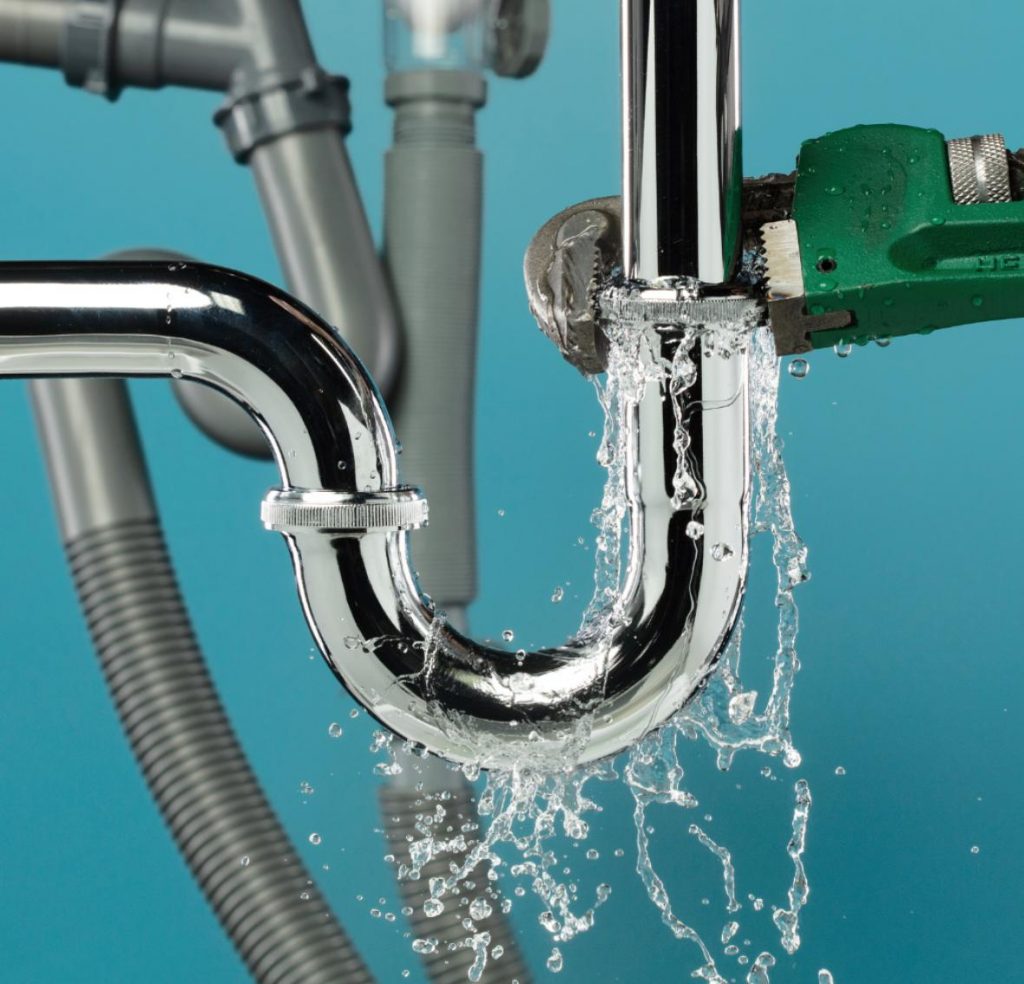
Spring in Illinois means blooming trees and the return of greenery. It also means the sudden appearance of the dreaded bathroom water leak. At PuroClean of Alsip, our technicians are accustomed to receiving multiple moisture-related calls every April. If you have noticed drips, tear-like streaks, or damp corners, chances are you have a seasonal bathroom water leak.
If a leak happens behind a shower wall or inside bathtub cavities, mold can grow for weeks before it ever becomes visible. By the time you see a dark spot on your grout or a soft patch on your drywall, the bathroom water leak has likely already caused significant structural damage.
Because a leak is slow to show itself, “DIY” drying methods hardly are effective. “They “DIY” methods usually move mold spores around without addressing the moisture root cause that resulted from the original leak.
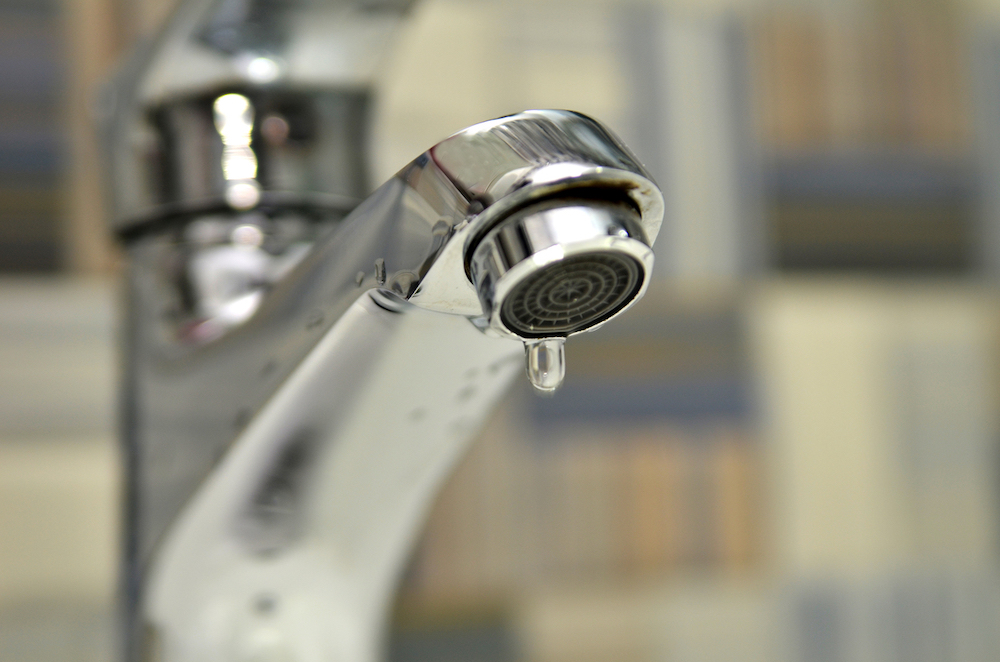
Why Could I Have a Bathroom Water Leak
1. The Post-Winter Pipe Expansion
During the winter, the plumbing behind your shower walls is under immense stress. A bathroom water leak usually stars as a seemingly inconsequential, usually caused by freezing. As the ground thaws, pipes expand, turning a tiny crack into a persistent bathroom water leak that can rot under your floor before you even see a puddle.
2. Sump Pump & Backflow Issues
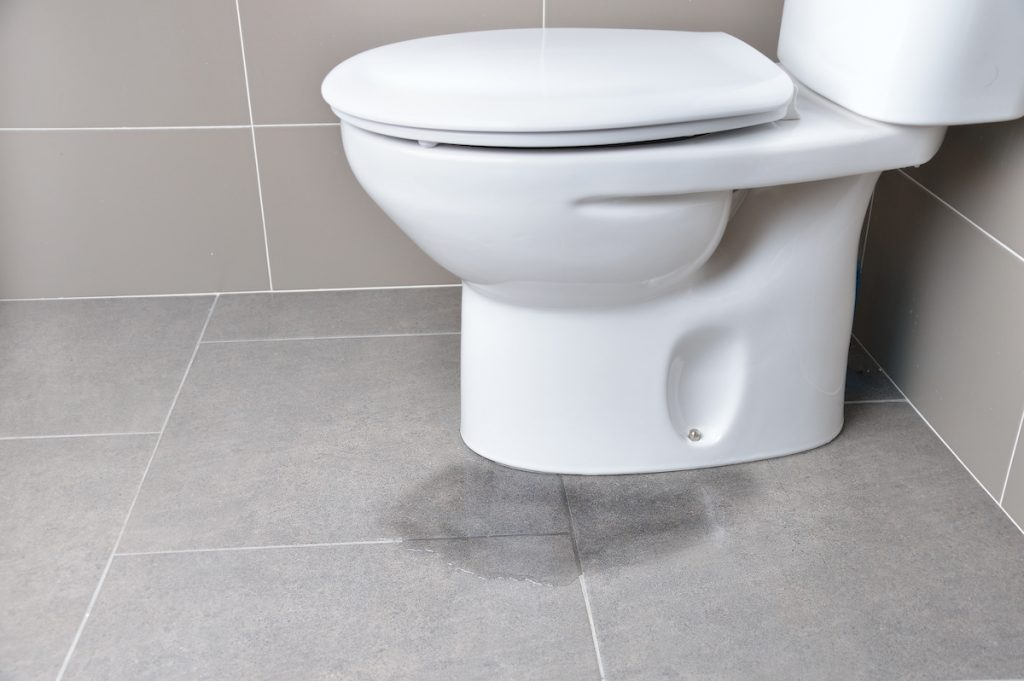
Many homes in Illinois rely on sump pumps to manage the high water table. When spring rains hit, a backup in your drainage system can cause a leak. If you notice water bubbling up around the base of your toilet or shower drain, it’s a sign of a pressure-related bathroom water leak that needs immediate professional attention.
3. Failed Caulking and Grout
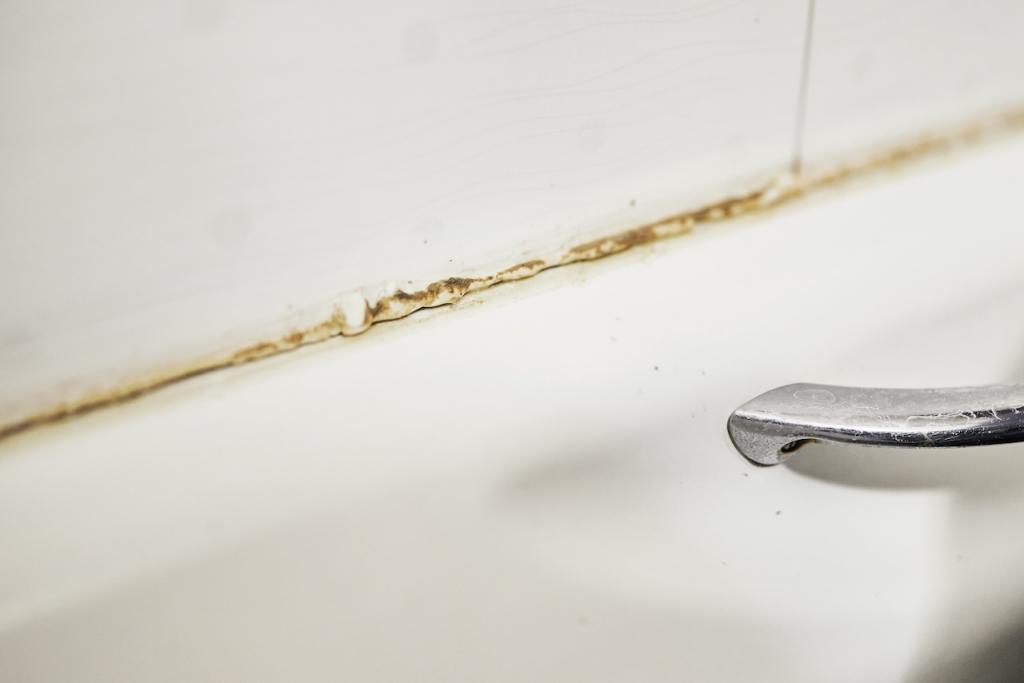
Winter air in Illinois is incredibly dry, which can cause the waterproof seals in your bathroom to shrink. When you start taking longer showers in the spring, a leak can develop beneath the tile. This type of bathroom water leak is particularly dangerous because it stays hidden behind the wall, leading to rapid mold growth in the humid Illinois spring.
4. Condensation & Poor Ventilation
As we move from “furnace season” to “open window season,” the humidity levels in Illinois swing wildly. If your bathroom exhaust fan is clogged with winter dust, it can’t pull the moist air out effectively. This leads to “sweating” walls, which many homeowners mistake for a plumbing leak, but is actually structural moisture that can rot your drywall from the outside in.
How You Can Spot a Bathroom Water Leak:
- The “Rocking” Toilet: If your toilet moves even slightly, the wax ring around the base failed, which can cause a hidden bathroom water leak.
- The Sink Smell: A dank smell under the sink is a top indicator of a bathroom water leak.
- The Ceiling Check: Noticeable new yellow rings on the ceiling or the floor are telltale signs of a bathroom water leak somewhere in the bathroom.
Proactive Prevention: Stopping the Next Bathroom Water Leak
At Purocelan, we are always ready to help individuals and families with water damage restoration. However, we prefer to give residents the steps avoid a bathroom water leak altogether. As part of your spring cleaning, consider these professional tips:
- Inspect Supply Lines: Replace plastic or rubber supply lines under your sink with braided stainless steel lines, which are much more resistant to the pressure surges.
- Check the Water Pressure: Homes that experience high municipal water pressure can inadvertently put strain pluming.
- Re-seal Your Surfaces: Every two years, re-caulk the base of your tub and shower to stop water seepage. This simple $10 fix is the most effective way to prevent a leak from rotting your floor joists.
If you do ever need our assistance, you can call our professional technicians at 708-708-7876, and they will come to the rescue. They have assisted many happy couples with their water restoration efforts, and you can read one of our technicians water restoration success stories here.