Table of Contents
This guide to commercial water damage explains what to look for, how to protect access to affected areas, and what to discuss with a restoration professional.
It is not unheard of to have a bad day at work. However, some bad days can be worse than others, such as when your office breaks the main plumbing line. It would be an inconvenience to your business, but it would also make quite the mess you would rather not have to clean up. Luckily, when this happened to a local commercial lender, they called PuroClean to handle the cleanup process.
Performing the Restoration
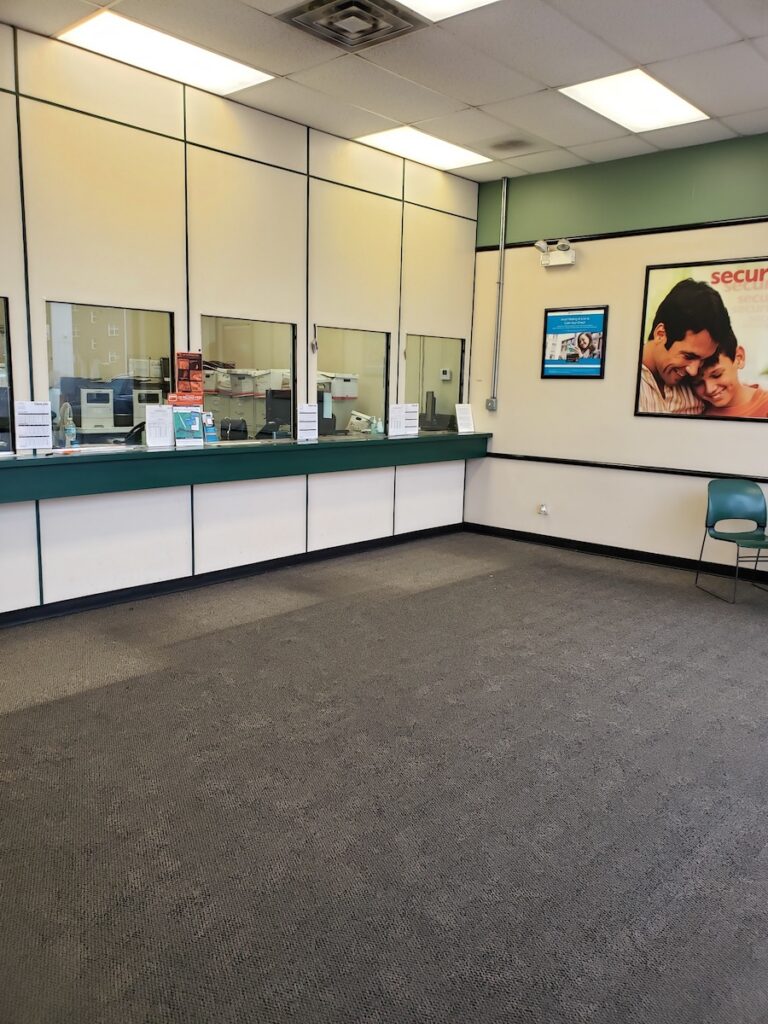
Our crew arrived at the commercial office in Chicago Ridge, Illinois. We observed that the plumbing line above the drop ceiling burst to create a big mess throughout the store. We were ready to begin the remediation, but the office gave us unique constraints: they wanted us to perform the restoration while the store stayed open. Their priority was that typical business operations and communications should not be interrupted. While this was a new challenge, it was one we were well equipped to handle.
We had to dry all the affected areas in the building, but our main concern was the plumbing line. Our team repaired the broken pipe in the bathroom and dried and restored the damaged area. In total, the work of drying and cleaning the office took six days. The property manager was thrilled with the quality of our work.


Call PuroClean Disaster Mitigation for Residential or Commercial Water Remediation in Alsip
Water damage is the most common type of property damage in North America. If it happens to you and your property, don’t panic. Call the professionals at PuroClean at (708) 708-7876. We will work with you to restore your property to its pre-loss condition.
Practical next steps for commercial water damage
When discussing commercial water damage, describe when the problem began, the rooms and materials involved, and whether the source has been addressed. Photos taken from a safe location and a record of changes can help the team plan an assessment.
Planning commercial water damage
For the property described in this article, the next steps depend on the current condition and the agreed repair scope. Before authorizing work, explain when the incident occurred, what changed afterward and whether anyone has already attempted cleanup. Tell the team about nearby electrical equipment, suspected contamination, damaged ceilings and any restrictions on entering the room.
Keep a record of the affected rooms and items without putting yourself at risk to obtain photographs. If access is unsafe, wait for appropriate assistance. Note the source of any water, smoke or other damage if it is known, and explain whether that source is still active. The cause and the extent of damage may need separate investigations.
Ask for a written explanation of the proposed scope. It should distinguish initial mitigation, cleaning, drying or other treatment from subsequent repairs. Discuss what may be salvageable, what needs further evaluation and what conditions could change the estimate. Material replacement should follow the assessment rather than a blanket assumption that every affected item can be saved.
Communication, documentation and next steps
When discussing commercial water damage, ask who will coordinate access and provide progress updates. Agree how questions about personal belongings, work hours, temporary restrictions and unexpected findings will be handled. If additional damage is discovered, request an explanation of the revised scope before further work is authorized.
If you intend to submit an insurance claim, ask your insurer about the policy terms, documentation and reporting requirements. Restoration records can support the description of a loss, but they do not determine coverage. Keep photographs, estimates, receipts and communications together so the adjuster can review the information relevant to the claim.
Completion should be explained in terms appropriate to the work performed. For a moisture-related loss, ask how materials were evaluated before repairs or finishes were installed. For cleaning or odor concerns, ask what was treated and what limitations remain. Follow the project-specific instructions for access, ventilation, routine care and any follow-up assessment.
Contact PuroClean Disaster Mitigation to discuss your property, its location and the current concern. Describe the situation before entering or disturbing damaged areas. The team can help explain the next step and the information needed for an assessment; response and work schedules depend on the circumstances.
For general moisture-control information, see the EPA guide to mold and moisture. Follow product instructions and seek an assessment appropriate to the materials and contamination involved.