

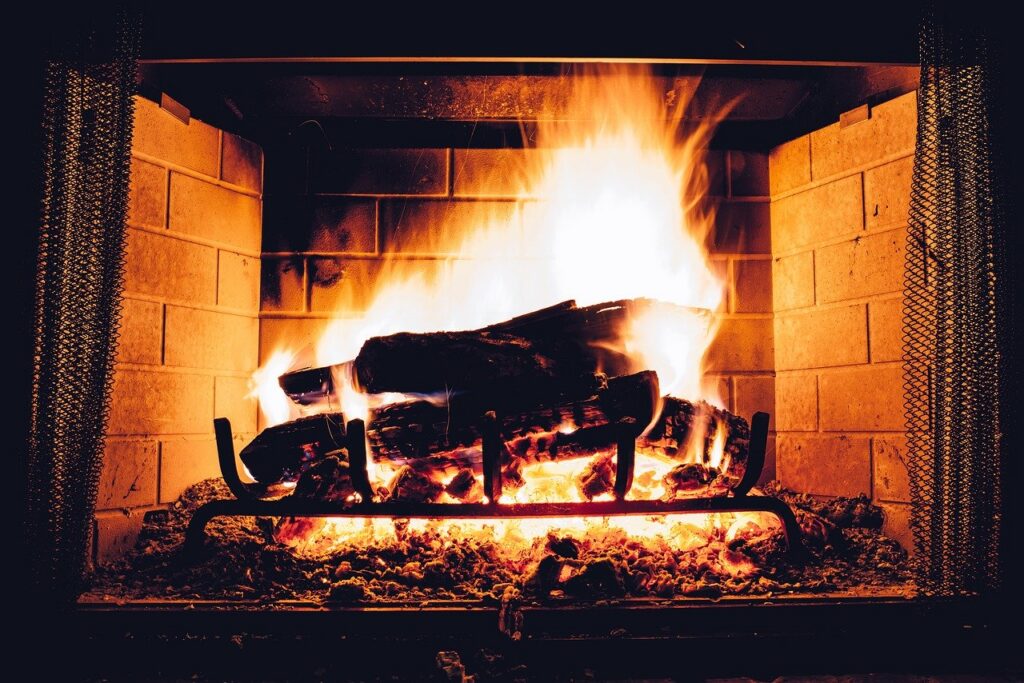
It is that time of year when the weather cools down and temperatures in most states drop. If you enjoy the cozy fires in your fireplace, keep in mind that heating equipment is one of the leading causes of home fires during the winter months. Here are some critical fireplace safety tips that could help prevent a smoke or fire-related accident in your home during these cold months.
Fireplace safety tips
Fireplace safety starts with making sure your chimney and fireplace are in good condition. Creosote, a highly combustible residue produced by burning wood, can accumulate inside chimney walls over time. If enough builds up, it can ignite and cause a dangerous chimney fire.
Schedule an inspection and cleaning with a qualified chimney professional before the heating season begins. They can check for creosote buildup, damaged components, and obstructions such as leaves or animal nests.
Other important preparation steps include:
- Have chimney installations and repairs completed by qualified professionals.
- Inspect the chimney cap for damage and replace it if necessary. If you don’t have one, consider installing a properly fitted cap with mesh screening.
- Keep furniture, curtains, newspapers, decorations, and other combustible materials at least three feet from the fireplace.
- Install a sturdy fireplace safety screen or glass doors to help contain flying sparks and embers.
- Keep a working fire extinguisher somewhere accessible in the room.
- Make sure smoke detectors and carbon monoxide alarms are installed and functioning on every level of your home and outside sleeping areas.
Safe Habits When Using Your Fireplace
The materials you burn and the way you manage your fire can make a significant difference in fireplace safety. Always choose properly seasoned, dry firewood. Wet or freshly cut wood produces more smoke and can contribute to creosote accumulation inside your chimney.
Never use gasoline, lighter fluid, or other flammable liquids to start a fire. Avoid burning household garbage, plastics, or treated materials because they can release harmful fumes.
Keep these precautions in mind whenever your fireplace is operating:
- Use fireplace safety tools rather than handling burning logs directly.
- Build moderate-sized fires instead of overcrowding the fireplace with wood.
- Keep children and pets away from the hearth, even when a protective screen is installed.
- Never leave a burning fireplace unattended.
- Extinguish the fire before going to bed or leaving your home.
- Keep the damper open while the fire is burning and wait until the embers are completely extinguished before closing it.
Handling Fireplace Ashes the Right Way
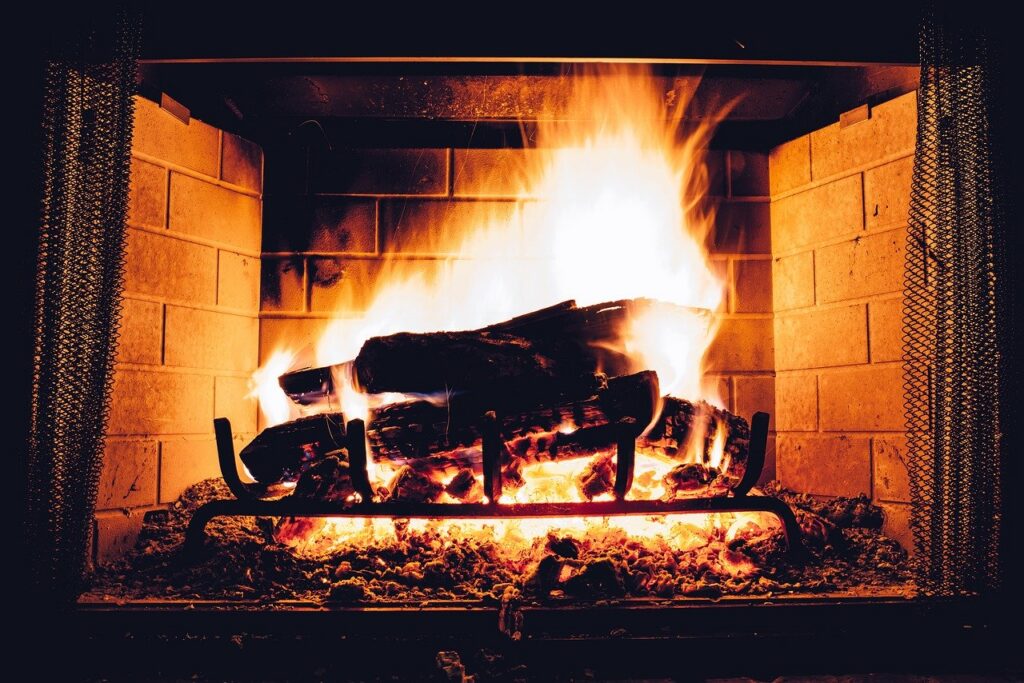
Ash disposal is another important part of preventing accidental fires. Even ashes that appear cold can contain hot embers capable of igniting combustible materials.
After allowing the ashes to cool for several hours, transfer them into a metal container with a secure lid. Keep the container outdoors, at least 10 feet away from your home, deck, or other combustible structures. Never dispose of fireplace ashes in a plastic trash bin or directly onto dry grass or wooded areas.
Before starting another fire, remove excessive ash buildup from the fireplace. Leaving a thick layer can restrict airflow and make it harder for new wood to burn efficiently.
What Happens If Your Fireplace Causes Smoke or Fire Damage?
Even a practicing fireplace safety cannot eliminate every risk. An accidental fire or chimney malfunction can leave behind stubborn soot, smoke odors, and residue throughout your home. Smoke particles can travel into adjoining rooms, settle on furniture, and penetrate porous materials.
Professional restoration is important because ordinary household cleaning methods may spread soot or leave lingering odors behind.
PuroClean Disaster Mitigation provides professional fire and smoke damage restoration services to help homeowners recover after unexpected fire incidents. Our IICRC certified restoration technicians use specialized equipment and restoration techniques to address soot contamination, clean affected surfaces, and deodorize damaged areas.
If your home experiences fire, smoke, or soot damage, contact PuroClean Disaster Mitigation at (708) 929-9696. Our team is available 24/7 to help you begin the restoration process.