Table of Contents
This guide to severe storms explains what to look for, how to protect access to affected areas, and what to discuss with a restoration professional.
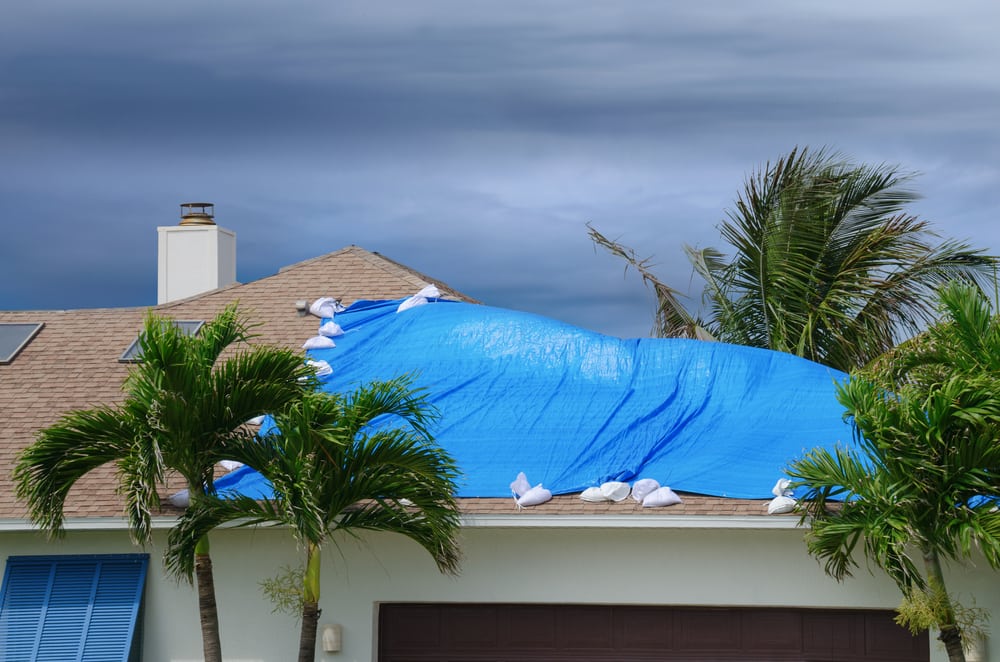
Severe storms can bring strong winds, heavy rain, lightning and flooding to Illinois homes. Preparation should begin before weather becomes dangerous. Review local alerts, plan where to shelter and arrange maintenance while conditions are calm. The following twelve tips can help you discuss property protection with qualified professionals and prepare your household.
- Review coverage before severe storms. Ask your insurance agent how your policy treats wind, water entry and flooding. Keep a current inventory and store photographs and policy details somewhere accessible if you must leave home. Coverage, deductibles and waiting periods vary, so resolve questions before an emergency.
- Arrange roof maintenance before severe storms. Have a qualified contractor assess loose roofing, damaged flashing and connections that may need attention. Structural reinforcement depends on the building and local requirements. Avoid climbing onto a roof or attempting major repairs when bad weather is approaching.
- Maintain gutters and downspouts. Arrange safe clearing of accumulated debris so rain can drain as intended. Check for visible sagging or disconnected sections from ground level. Keep discharge points directed away from the building where appropriate, and ask a professional about recurring drainage problems.
- Plan window protection. Ask a qualified professional whether impact protection or storm shutters are appropriate for your property. Select products and installation methods suitable for the building. Close windows before bad weather and stay away from glass during warnings; do not rely on tape to prevent breakage.
- Check seals and exterior openings. Review deteriorated weatherstripping, visible gaps and previous leak locations during routine maintenance. Correcting a seal may reduce some rain entry, but it does not make a building floodproof. Recurring roof, wall or foundation leaks need assessment of their underlying source.
- Understand flood exposure. Review your local flood information and household evacuation plan. Ask qualified professionals about suitable flood-mitigation options for the building. Do not treat plastic sheeting, foam or improvised barriers as a guarantee that walls will withstand moving water or rising flood levels.
- Review the garage door. Have a qualified installer assess the door and any recommended wind-rated reinforcement. Use products designed for the specific door and follow installation instructions. Keep the door closed during severe weather and avoid attempting repairs while winds are increasing.
- Maintain trees during calm weather. Arrange professional assessment of dead or unstable limbs near the building. Large branches and trees near power lines require qualified help. Finish yard work well before a storm; do not go outside to cut branches or clear debris during dangerous conditions.
- Secure loose outdoor objects. Bring lightweight furniture, containers and decorations indoors before weather deteriorates. Secure larger objects using methods suited to the item and location. Stay inside once warnings or dangerous conditions begin; retrieving outdoor belongings should never delay reaching shelter.
- Plan for power interruptions. Charge essential devices and keep flashlights available. If unplugging electronics is part of your plan, do it before a thunderstorm arrives. Do not touch cords or electrical equipment during lightning or when standing in water. Follow utility instructions after an outage.
- Move important belongings early. When conditions are safe, relocate documents and portable valuables away from areas known to flood. Keep medications and essential supplies accessible. Avoid lifting heavy appliances or entering wet rooms to rescue possessions; personal safety takes priority over property.
- Follow official guidance during severe storms. Monitor local alerts and know where household members will shelter or evacuate. Flood barriers require appropriate design and installation and cannot make a threatened area safe. Do not enter floodwater, and leave protective work unfinished if staying would delay reaching safety.
Finish preparations while conditions are calm, and follow official instructions when severe storms approach. The National Weather Service lightning guidance explains why electrical equipment should be unplugged before a thunderstorm, rather than during one. After damage occurs, avoid unsafe areas and contact qualified professionals for an assessment.
Preparing Your Household for Severe Storms
Before severe storms arrive, agree on a household communication plan. Keep local warning sources available and identify the safest shelter locations recommended for your home and the specific hazard. Check that household members can receive alerts, including anyone who may not hear a phone notification. Keep a portable charger available and agree on a contact outside the immediate area who can help relay information if local communication is disrupted. Save emergency contacts, insurance details and essential documents where you can access them if your phone loses power. Plan for pets and for anyone who needs assistance moving to shelter.
After severe storms pass, continue following official instructions. Check the property from a safe location before entering affected areas. Fallen lines, unstable branches, broken glass and wet electrical equipment can remain dangerous after the wind stops. If a room has standing water, a damaged ceiling or a suspected structural problem, keep people away and arrange an appropriate professional assessment rather than starting cleanup.
Photograph visible damage only when it is safe and note which rooms or belongings appear affected. Keep records of communications with your insurer and any emergency work that is arranged. Ask the restoration team to explain the proposed scope, access requirements and the next inspection or drying check. Repair methods and timelines should reflect the conditions actually found, rather than a fixed promise made before an assessment.
Recurring storm-related leaks deserve investigation beyond drying the visible surface. Record where water entered, whether the problem followed wind-driven rain or rising outdoor water, and whether the same area has been affected before. Share those observations with qualified professionals so that roof, plumbing, drainage or building-envelope concerns can be reviewed by the appropriate trade. Good documentation supports a clearer recovery plan after severe storms.
For background on restoration training and industry standards, visit the Institute of Inspection, Cleaning and Restoration Certification. Project methods should be selected for the actual conditions found during assessment.
For help with your property, contact PuroClean Disaster Mitigation at (708) 708-7876 to discuss the next assessment step.