


Table of Contents
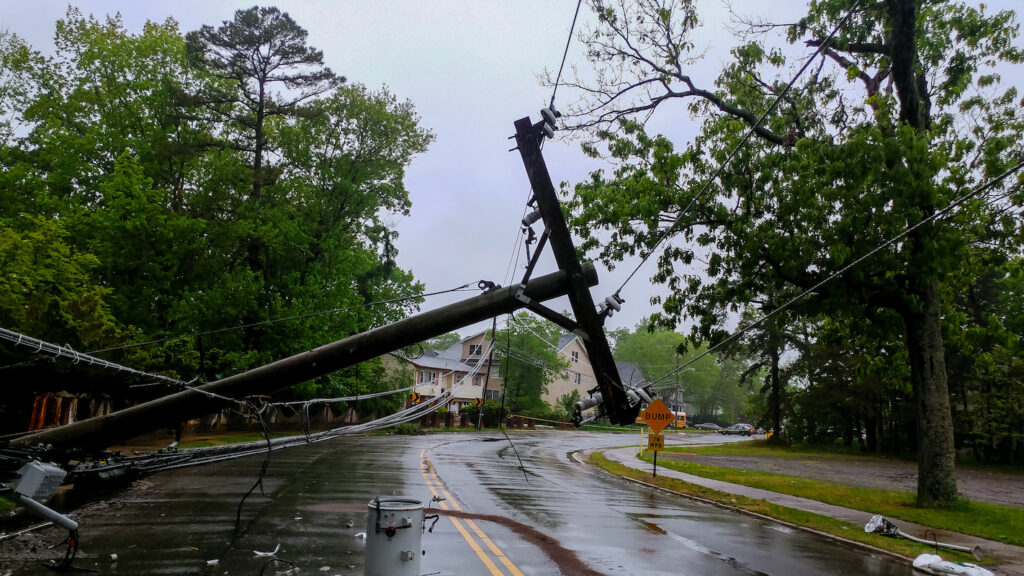
When property damage happens, recovery is the first thing on your mind. But how do you get there? Most times, to pay for damage, people need to work with insurance, by filing a claim. Filing insurance claims can be a major hurdle, but knowing how to draft and strong claim comes down to the documentation you have.
Documenting the damage done and what steps were take to recover can help paint a clearer picture of what happened, which is something insurance companies need to be clear on. Documents like this can make the claims process easier for both the property owner and the insurance carrier.

The Role Documentation Plays in Insurance Claims
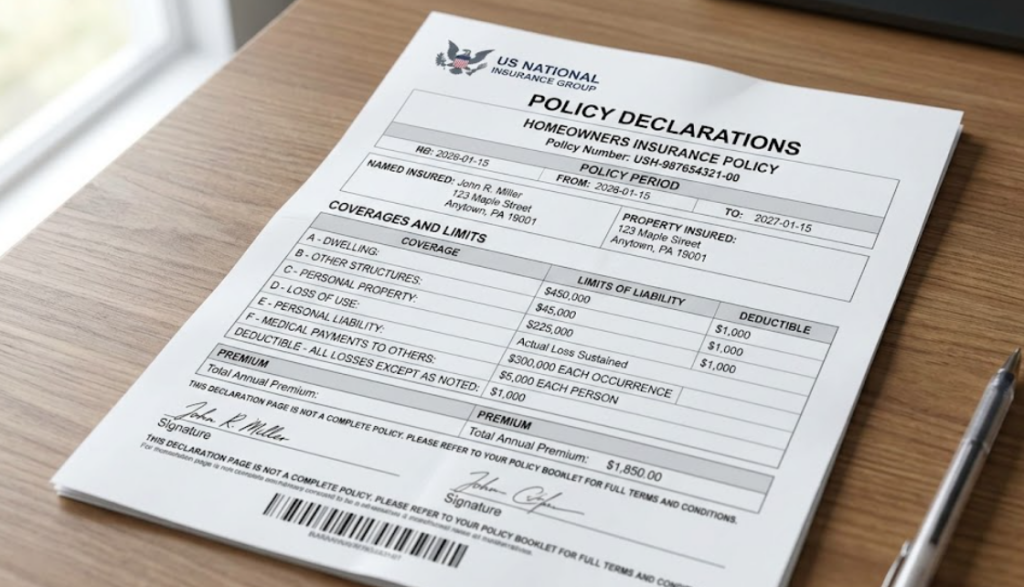
Insurance providers usually rely on documentation of an event to determine coverage. Therefore, the more complete and organized that documentation is, the easier it becomes to support insurance claims.
Without clear documentation, details can be missed, timelines of an event can become harder to verify, and reimbursement within claims may be prolonged.
Strong insurance documentation can help:
- Establishing a timeline of the damage
- Show all of the affected areas from the event
- Provide a record of damaged materials and belongings
- Verifying emergency restoration efforts
- Support repair and restoration costs
Good and clear records help reduce uncertainty during a claim’s review.
Start Recording Damage Immediately
One of the best things a property owner can do after discovering damage is begin documenting the damage as soon as safely possible.
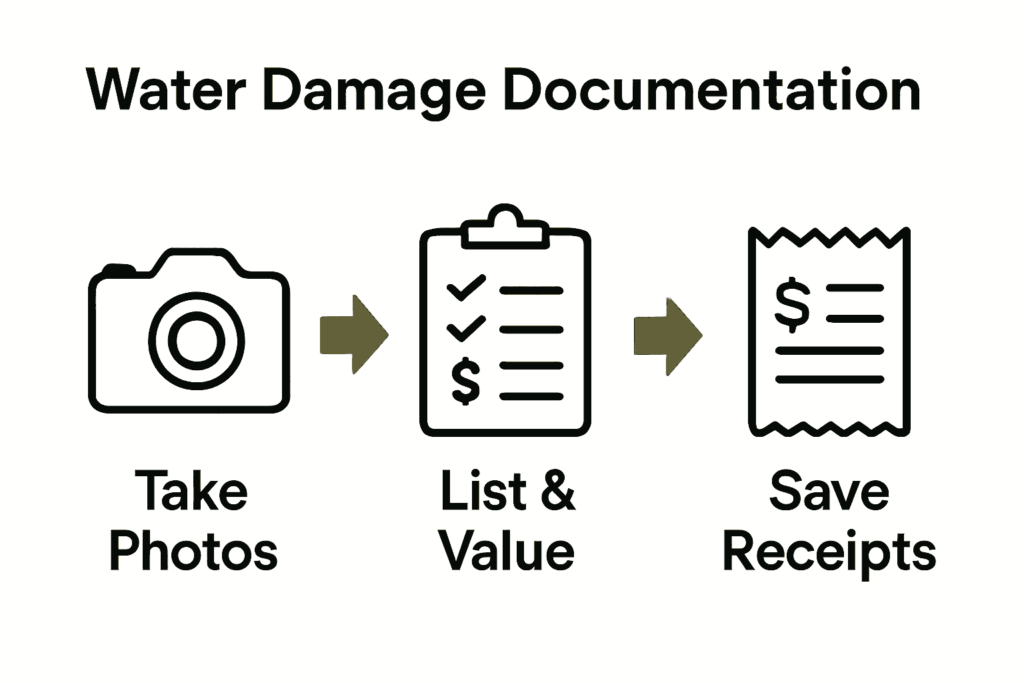
Photographs and videos can be especially useful, especially if you struggle with finding the right words. When recording or documenting, try to capture:
- The source of the damage (if visible)
- Wide shots of affected rooms or areas
- Close-up images of damaged materials
- Structural impacts
If possible, having a second record of written dates and observations, can provide the insurance adjusters with context.
Create a Written or Photographed List of Damaged Property
If any materials or belongings were damaged, building a basic inventory can strengthen insurance claims.
This may include:
- Furniture
- Electronics
- Appliances
- Clothing
- Tools or equipment
- Decor
- Business inventory (if applicable)
For each item, note:
- Approximate age
- Estimated value
- Extent of damage
- Original purchase receipts (if available)
Add Records of Emergency Restoration Work to your Claim
Many property owners take immediate action to prevent damage from getting worse—such as removing standing water, tarping a roof, boarding windows, or hiring emergency cleanup crews.
Keeping receipts, invoices, photos, and service reports from those efforts is important because they help show:
- What emergency projects were completed
- When mitigation began
- Costs with protecting the property
- Steps taken to reduce further damage
Stay Organized During the Process
Insurance claims can involve multiple conversations, inspections, and service visits. Keeping everything in one place can make things easier.
Consider saving:
- Claim numbers
- Adjustor contact information
- Emails and phone call notes
- Inspection reports
- Contractor estimates
- Receipts related to temporary repair or lodging
- Restoration invoices
Professional Documentation Can Also Help
In larger loss situations, restoration professionals often provide moisture readings, scope reports, photographs, and detailed findings during inspection and mitigation work. This documentation can help clarify the extent of damage and support the restoration timeline.
While every claim is different, having accurate records from qualified professionals can add another layer of clarity to the process.
Contact PuroClean Disaster Mitigation in Alsip Today
Recovering after property damage can feel overwhelming, but you don’t have to manage it alone. Whether you need water damage, fire and smoke cleanup, mold, reconstruction, or biohazard remediation services, PuroClean Disaster Mitigation in Alsip is ready to help restore your property and guide you through the next steps. Our IICRC certified team will respond quickly, works thoroughly, and is available around the clock when disaster strikes.
For help with your property, contact PuroClean Disaster Mitigation at (708) 708-7876 to discuss the next assessment step.