


Table of Contents
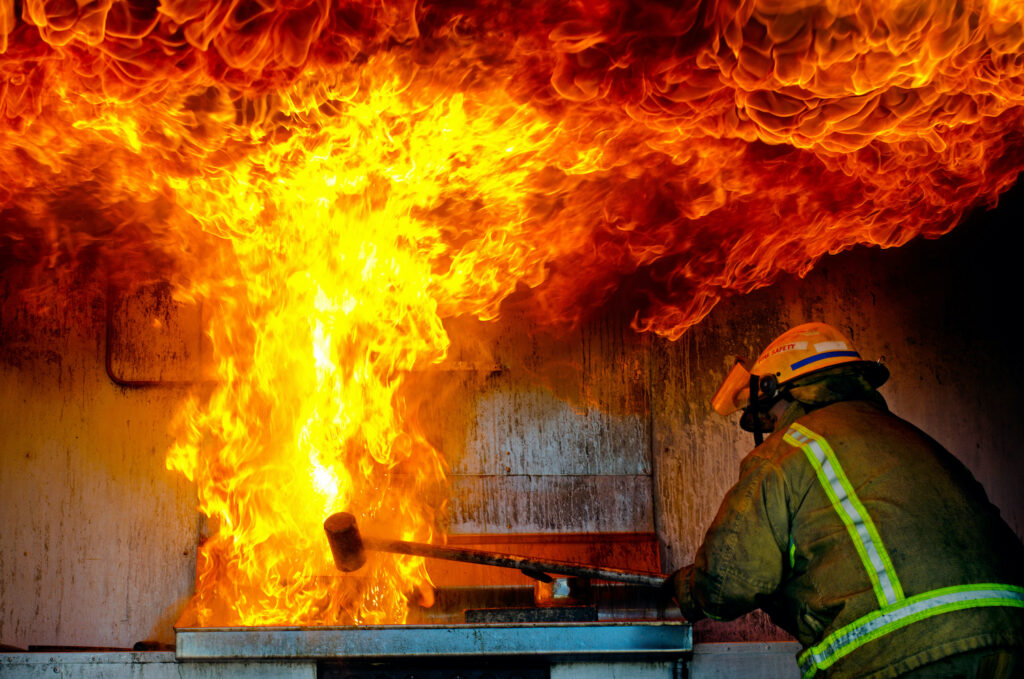
This guide to kitchen fire explains what to look for, how to protect access to affected areas, and what to discuss with a restoration professional.
Retirement is a time of peace and relaxation for most. After working for so long, many people just want to enjoy their golden years without all the fuss and drama. But, unfortunately, household disasters do not play fairly. Recently, a local retired couple called PuroClean because they had a fire in their kitchen.
Restoring the kitchen after the fire
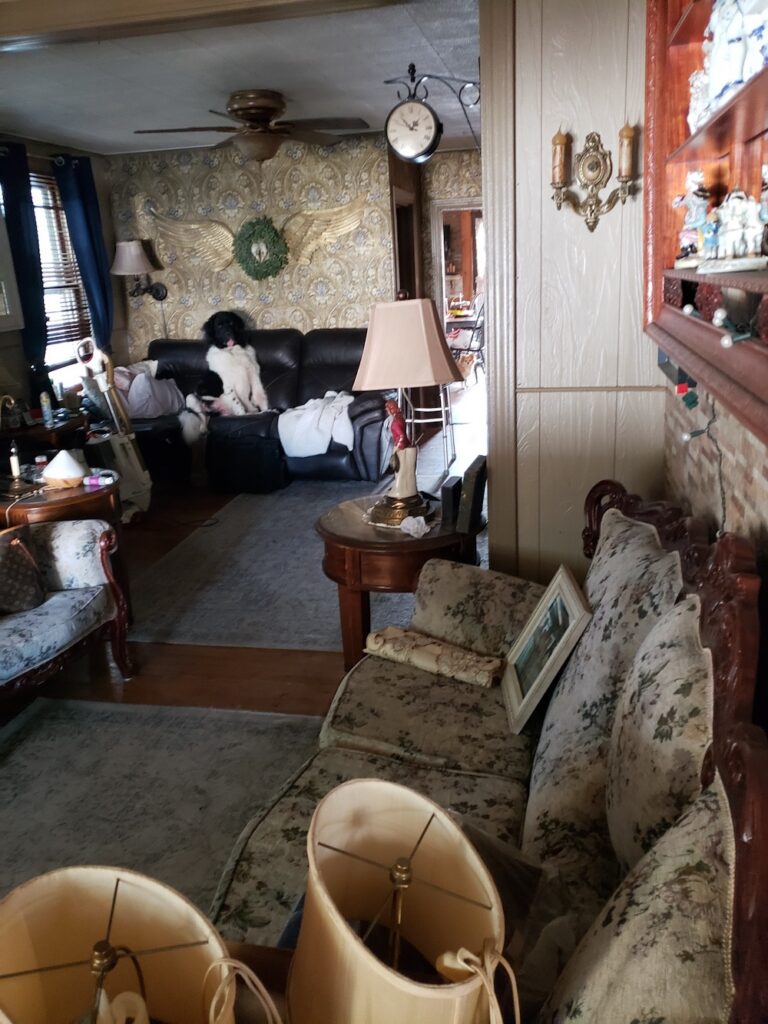
The couple, despite being retired, still maintained a bustling home, with a duo of dogs and an incredible 21-year-old cat in residence. Of course, a fire in the kitchen was the last thing they needed. And, that is where we came in.
Our crew arrived on the scene quickly to evaluate the extent of the damage. We understood that the job needed to be handled swiftly because the pets did not have a place to stay. And, as anybody who has a furry friend will tell you, it’s stressful for them when they stray from their routines.
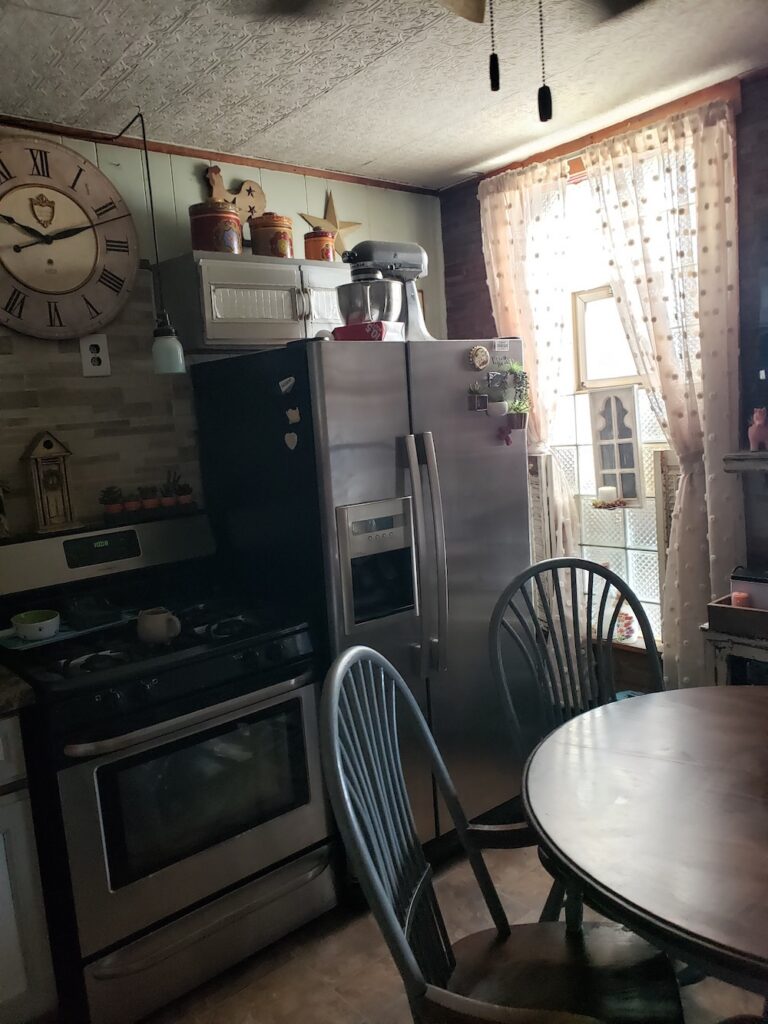
As it turns out, the fire originated from a faulty electrical connection behind the kitchen appliances. And, luckily, most of the items in the kitchen remained in salvageable condition after the blaze. We performed a simple “pack-out,” a process in which we catalog and move items from the property to another secured location for cleaning.
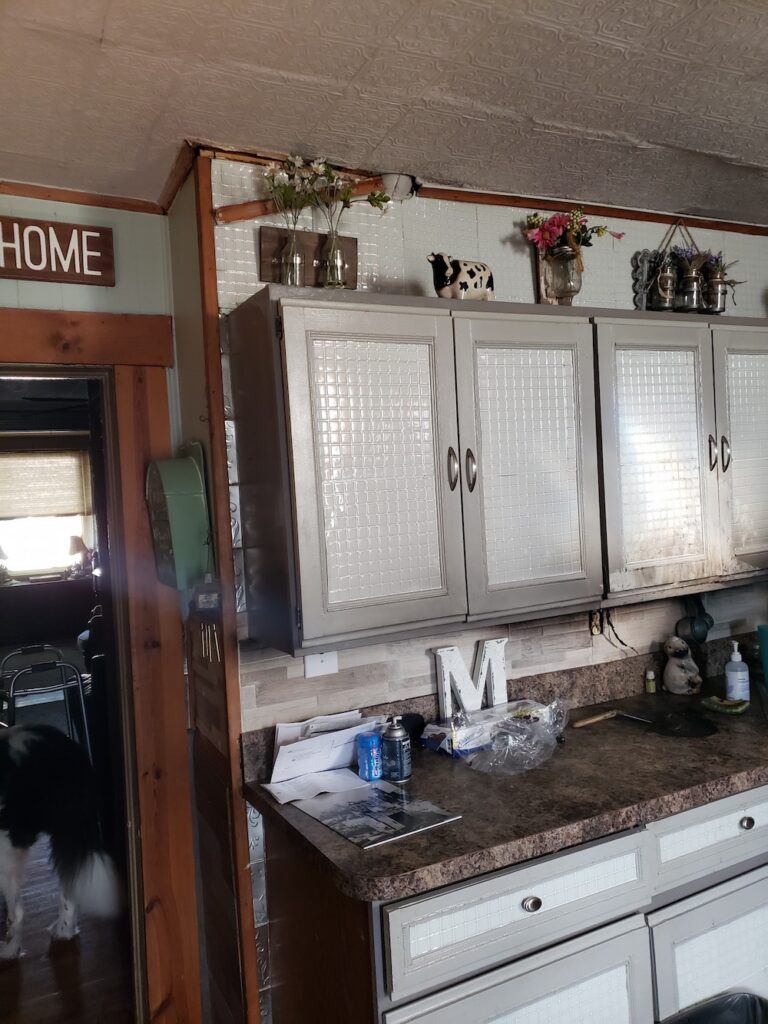
With the kitchen cleared, our technicians got to work restoring the kitchen. Smoke and soot can have increasing negative affects if not quickly and properly treated. We took exceptional care cleaning up, as if the home and pets were our own.
After 4 days of cleaning, sanitizing, and deodorizing, we completed the job. The couple (and their pets, no doubt!) were very appreciative of the team for taking care of their home as quickly and effectively as we did.
For Fire Restoration Services, call PuroClean!
We recognize the trauma and emotional upset that occupants suffer due to fire and smoke damage. If your property suffers from a fire, don’t panic! Call PuroClean at (708) 708-7876 for professional restoration services in the Alsip area.
Practical next steps for kitchen fire
When discussing kitchen fire, describe when the problem began, the rooms and materials involved, and whether the source has been addressed. Photos taken from a safe location and a record of changes can help the team plan an assessment.
Planning kitchen fire
For the property described in this article, the next steps depend on the current condition and the agreed repair scope. Before authorizing work, explain when the incident occurred, what changed afterward and whether anyone has already attempted cleanup. Tell the team about nearby electrical equipment, suspected contamination, damaged ceilings and any restrictions on entering the room.
Keep a record of the affected rooms and items without putting yourself at risk to obtain photographs. If access is unsafe, wait for appropriate assistance. Note the source of any water, smoke or other damage if it is known, and explain whether that source is still active. The cause and the extent of damage may need separate investigations.
Ask for a written explanation of the proposed scope. It should distinguish initial mitigation, cleaning, drying or other treatment from subsequent repairs. Discuss what may be salvageable, what needs further evaluation and what conditions could change the estimate. Material replacement should follow the assessment rather than a blanket assumption that every affected item can be saved.
Communication, documentation and next steps
When discussing kitchen fire, ask who will coordinate access and provide progress updates. Agree how questions about personal belongings, work hours, temporary restrictions and unexpected findings will be handled. If additional damage is discovered, request an explanation of the revised scope before further work is authorized.
If you intend to submit an insurance claim, ask your insurer about the policy terms, documentation and reporting requirements. Restoration records can support the description of a loss, but they do not determine coverage. Keep photographs, estimates, receipts and communications together so the adjuster can review the information relevant to the claim.
Completion should be explained in terms appropriate to the work performed. For a moisture-related loss, ask how materials were evaluated before repairs or finishes were installed. For cleaning or odor concerns, ask what was treated and what limitations remain. Follow the project-specific instructions for access, ventilation, routine care and any follow-up assessment.
Contact PuroClean Disaster Mitigation to discuss your property, its location and the current concern. Describe the situation before entering or disturbing damaged areas. The team can help explain the next step and the information needed for an assessment; response and work schedules depend on the circumstances.
For background on restoration training and industry standards, visit the Institute of Inspection, Cleaning and Restoration Certification. Project methods should be selected for the actual conditions found during assessment.