

Most PPE (personal protective equipment) is the same regardless of the restoration project you are facing. However, there are some minor differences in how much PPE is needed (i.e a small leak from a shower head requires less PPE than biohazard situation with extensive clean up).
Why We Need PPE
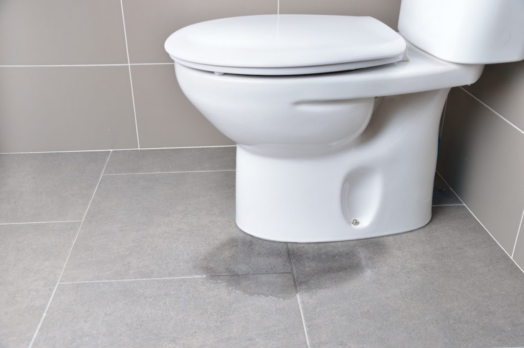
Restoration jobs and environments are tricky. Water-damaged areas may contain rotting structures or bacteria from sewage and mold. Fire-damage properties may have soot and ash that are harmful to breathe. Storm damage may introduce sharp debris, fallen or broken electrical poles, and contaminated floodwater. Biohazard situation may have severely harmful pathogens that cause further harm upon contact.
Without proper protective equipment, our technicians may put themselves and other individuals in the property at risk. They may inhale hazardous particles, they may experience chemical exposure, and you may suffer cuts and injuries. Even with PPE, they need and will follow proper safety techniques and workplace caution. Wearing PPE acts as a last line of defense against these hazards.
Essential PPE for Our Restoration Professionals
Respiratory Protection
Respirators are among the most critical pieces of PPE used in restoration work. Airborne contaminants such as mold spores, smoke particles, dust, and chemical vapors can pose serious health risks when inhaled.
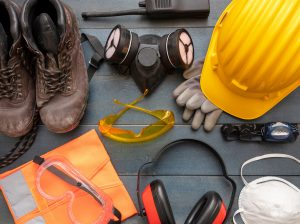
The type of respirator required depends on the job. Respirator selection must follow a hazard assessment; a device suitable for one task may not protect against another contaminant, while full-face or half-face respirators with specialized cartridges may be necessary for mold remediation, fire damage restoration, or environments with chemical exposure. Workers should always follow applicable safety guidelines and ensure respirators are properly fitted.
Eye and Face Protection
Safety glasses, goggles, and face shields help protect workers from flying debris, dust, chemical splashes, and other hazards. During demolition, drying equipment setup, or cleaning operations, particles can become airborne and create a risk of eye injuries.
In biohazardous situations involving chemicals or contaminated water, sealed goggles and face shields provide an additional layer of protection against splashes and accidental exposure.
Protective Gloves
Different restoration tasks require different glove types. Nitrile gloves are commonly used when handling contaminated materials, cleaning agents, or mold-affected surfaces. Heavy-duty work gloves may be needed when removing debris, handling damaged building materials, or performing demolition work.
Gloves help prevent cuts, punctures, chemical burns, and contact with potentially harmful contaminants. They should be inspected regularly and replaced whenever damaged or worn.
Protective Clothing
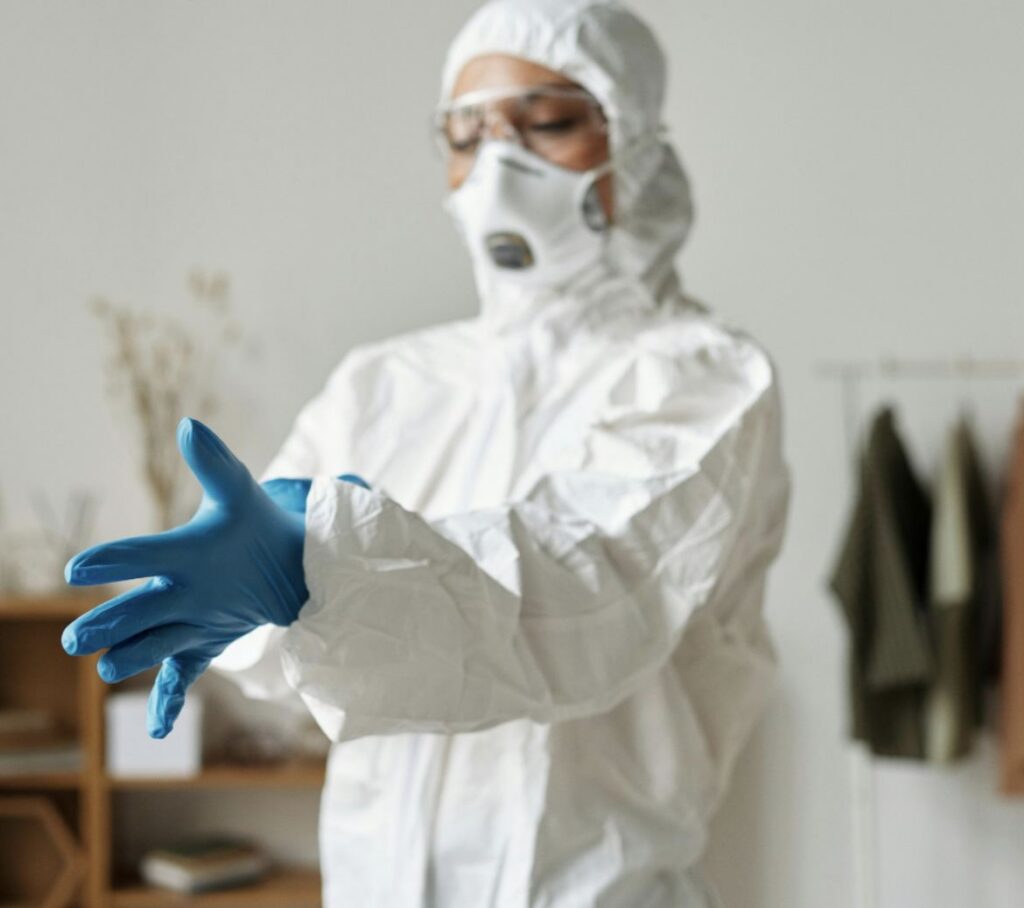
Disposable coveralls or protective suits are often used during mold remediation, biohazard cleanup, and other projects involving contamination. These garments help prevent workers from carrying contaminants on their clothing and reduce skin exposure to hazardous materials.
In some environments, waterproof clothing may also be necessary to protect against sewage backups, floodwater, or chemical exposure. Proper disposal of contaminated protective clothing is essential to prevent cross-contamination.
Foot Protection
Restoration sites frequently contain nails, broken glass, sharp debris, slippery surfaces, and standing water. Safety boots with puncture-resistant soles and slip-resistant treads help protect workers from these common hazards.
Waterproof boots are especially important during flood and water damage restoration projects, where prolonged exposure to moisture can increase the risk of slips and contamination.

Essential Training as “PPE” Step One
Providing PPE is only part of maintaining a safe work environment. Restoration professionals should receive proper training on when PPE is required, how to wear it correctly, and how to inspect, clean, and replace equipment when necessary.
Even the best protective equipment can fail if it is improperly fitted or used incorrectly. Regular safety training helps ensure our technicians understand the risks associated with each restoration project and how to protect themselves effectively.
Staying Safe on Every Job
Every restoration project presents unique challenges, but technicians safety is the top priority. By using the appropriate PPE for each situation, our IICRC certified restoration professionals can reduce exposure to hazardous conditions and perform their work with confidence. Investing in proper protective equipment not only helps meet safety requirements but also supports a healthier, safer workplace for everyone involved.