


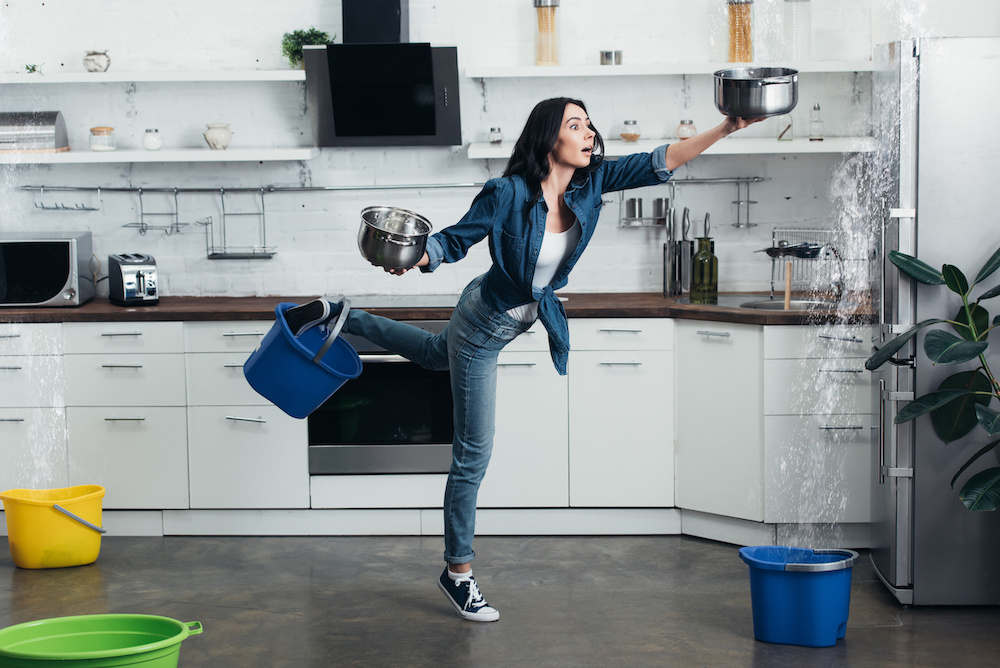
Even a small amount of water can lead to serious damage inside your home. Whether it enters through the roof, basement, aging pipes, or a failing water heater, the result is often costly repairs and potential mold growth. That’s why understanding how to protect your home from water damage is essential for every homeowner.
According to industry data, roughly one in 50 insured homes files a water damage or freezing-related claim each year. Considering the average household uses between 80 and 100 gallons of water daily, it’s easy to see how quickly things can go wrong.
While insurance may cover certain incidents, many water damage situations—especially those caused by gradual wear or lack of maintenance—are not included. In most cases, professional water damage restoration is required. The best approach, however, is to stop problems before they begin.
Below are some of the most common causes of water damage and how you can protect your home.

Washing Machine Hoses
Washing machine hoses are one of the leading causes of indoor flooding. A single hose failure can release gallons of water in a very short time. Protect your home from water damage by inspecting hoses regularly.
Because these hoses remain under constant pressure, they naturally weaken over time. When they fail, water spreads quickly throughout surrounding areas.
To reduce the risk and protect your home from water damage:
- Upgrade to reinforced, braided stainless-steel hoses for added durability
- Turn water supply valves off when the machine is not in use
- Replace hoses every five years
How to Prevent Water Damage from Toilet Tanks
A leaking toilet can waste up to 100 gallons of water per day and lead to hidden damage.
To test for leaks, add a few drops of food coloring to the tank and wait several minutes. If color appears in the bowl without flushing, there’s a leak that needs attention.
Fixing small toilet issues early can help you protect your home from water damage.
Other Appliances and Fixtures
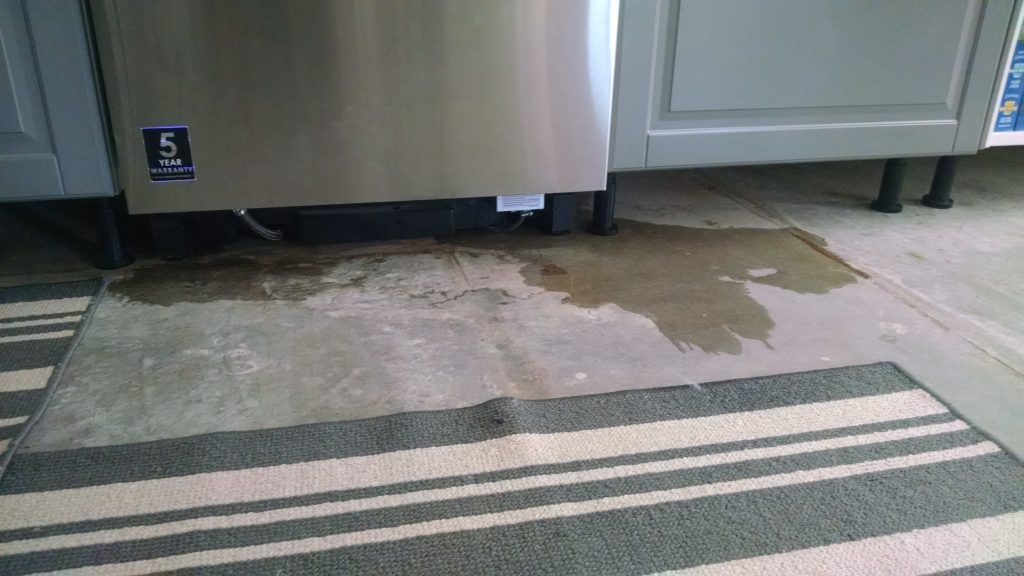
Household appliances are another major source of water damage. Refrigerator water damage and damage from dishwashers, which are often overlooked until a problem occurs.
Refrigerators with ice makers or water dispensers rely on supply lines that can crack, loosen, or deteriorate over time. Even a slow leak behind the unit can go unnoticed for weeks, leading to warped flooring, mold growth, and structural damage.
Dishwashers are also a frequent culprit. Worn door seals, clogged filters, or damaged hoses can allow water to escape during operation. Because dishwashers are typically used daily, small leaks can quickly escalate into significant issues.
To help prevent appliance-related water damage and protect your home from water damage:
- Regularly inspect water lines behind refrigerators and under sinks
- Check dishwasher hoses and door seals for wear or moisture
- Pull appliances away from the wall periodically to look for hidden leaks
- Avoid running appliances while sleeping or away from home
Routine inspections can make a major difference in catching problems early.
Ice Dams
How Ice Dams Form
Ice dams develop when heat escapes into the attic and warms the roof, causing snow to melt. The melted water flows down to colder roof edges, where it refreezes and forms a blockage.
As ice builds up, water can back up under shingles and seep into your home, eventually causing damage to ceilings, walls, and insulation.
How to Protect Your Home From Water Damage from Ice Dams
Ice dams happen when snow and water accumulates on a home’s roof and then freezes. These refreeze and thaw constantly, being a major problem area. To reduce the risk of ice dams:
- Clean and repair gutters before winter
- Ensure proper attic insulation to prevent heat loss
- Improve attic ventilation to maintain consistent roof temperature
- Remove snow buildup from your roof using a roof rake
- Install protective barriers like water membranes and snow shields
Proper winter preparation is essential to avoid costly seasonal damage.
Protect Against Frozen Pipes and Pipe Bursts
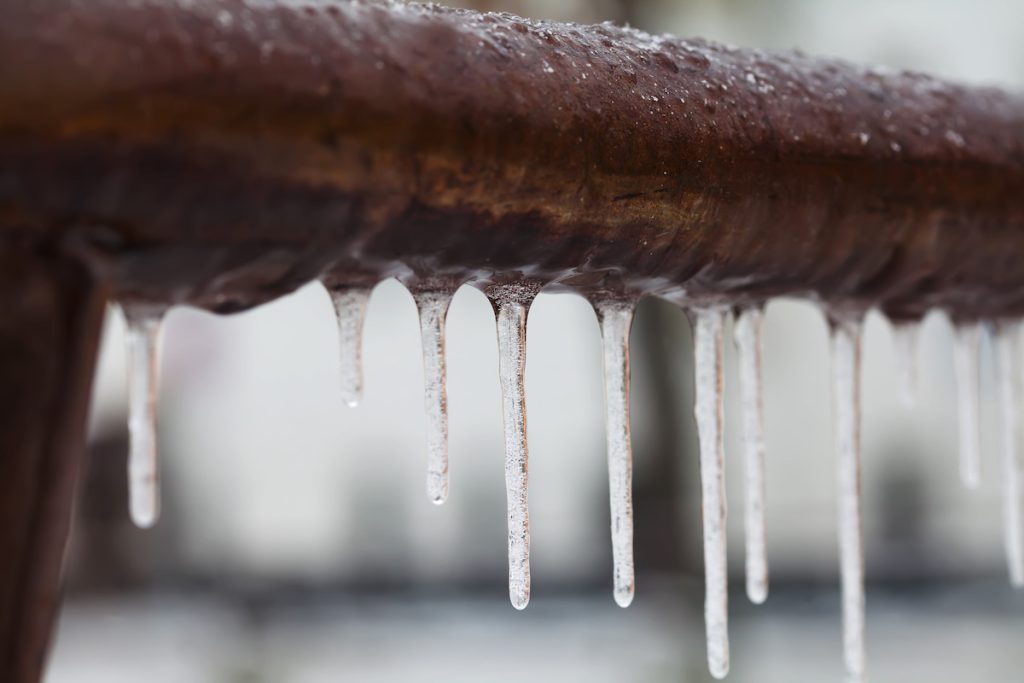
Pipes in the crawl space, outside walls, and in the attic are vulnerable to freezing and bursting in cold temperatures. Protect your home from water damage by properly insulating and safety warming piping in your home.
- Close all cracks, holes, and openings in outside walls and foundation near water pipes with caulk.
- Insulate water pipes in unheated areas, such as the crawl space, basement, garage, attic, and under kitchen and bathroom cabinets. Wrap them in insulating materials such as foam rubber or fiberglass sleeves.
- Faucets that connect to pipes in unheated spaces are prone to freezing. Let cold water drip from the faucets served by exposed pipes. Running even a trickle of water through pipes helps prevent them from freezing.
- Allow warmer air to circulate around the plumbing when outside temperatures drop below 32 °F by opening kitchen and bathroom cabinet doors. Move the products stored in these cabinets up, out of the reach of children and pets.
- Set the thermostat to the same temperature during the day and at night. Your heating costs may rise, but you’ll prevent pipes from freezing and bursting.
- If you’re leaving home for more than two days, leave the heat on in your home. Set the temperature to no lower than 55 °F. Shut off the water supply and drain pipes and appliances that use water. In addition, have someone you trust check your home once per week.
- If a pipe bursts, shut off the water supply to your home immediately.
Prevent Spring Thaw Water Damage
Melting snow and ice can enter your home through the roof or foundation when spring arrives. Follow the winter water damage tips below to protect your home from water damage.
- Remove the snow from your roof.
- Heavy snow on roofs can cause ice dams, which creates structural damage to the roof.
- Remove the snow from the roof when it’s at least 6 inches deep.
- If possible, stay on the ground to shovel the snow off the roof. Otherwise, hire a professional.
- Shovel snow away from your home to prevent water from seeping into the foundation.
- Keep the sewers clear of snow and debris to allow melted snow to flow unobstructed.
- Check your basement often for water leaks from sewer drains. Make sure the basement floor, walls, windows, and doors are properly sealed.
- If you have a basement, test your sump pump.
Other Tips on How to Prevent Water Damage
- Clean and maintain gutters and downspouts. If there are leaves, sticks, debris or bird’s nests in your gutters, water may overflow onto the side of your house. In your gutter cleaning routine, check for cracks or sagging, and have them repaired. Protect your home from water damage and clean your gutters regularly.
- Make sure downspouts extend at least 10 feet away from your home’s foundation. The ground around the foundation should also be sloped at least six inches over a 10-foot span away from the house to avoid basement flooding.
- Have your roof annually checked for cracked or missing shingles, deteriorated flashing, pooling water, and missing granules.
- Install a sump pump with a battery backup system. Maintain and test the sump pump according to the manufacturer’s instructions and remove any debris that may block the water inlet screen. Replace batteries should every two–three years.
- Install backflow valves and standpipes at all basement drain locations, sinks, and toilets. These mechanisms automatically prevent sewage from backing up into your home.
- Don’t pour grease down the sink as it can cling to pipes and cause blockage, even if you rinse the drain with hot water afterwards. The best way to get rid of grease is to pour it into an empty jar, refrigerate it, then discard it into the trash.
- If your water bill is unusually high and you don’t know why, this may be a sign that some pipes are leaking in your home. In this case, hire a professional plumber to detect and repair damaged pipes.
- Turn off the water supply valve when going on vacation. Ensure you can turn on/off all the supply valves when needed.
To Protect Your Home From Water Damage, Call the PuroClean Disaster Mitigation
As you can see, there are many ways that water can damage your home. Follow these preventive steps to avoid dealing with water damage claims in your home. Yet, if water has still affected any of your belongings, you will need professional restoration services. For protect your home from water damage in the Alsip area, contact PuroClean IICRC technicians at (708)708-7876