 PuroClean of Morristown
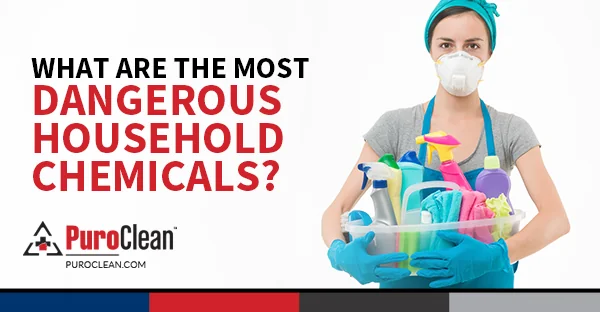
Although we use them every day, many of the cleaners and chemicals commonly found in homes can pose serious health risks if they are splashed on the skin, inhaled, or accidentally ingested. Because these products are so familiar, their dangers are often underestimated. To reduce the risk of injury or illness, it is critical to follow label instructions carefully and store all chemical products securely—especially in households with children or pets.
Many household chemicals contain corrosive, toxic, or carcinogenic ingredients that can cause immediate harm or long-term health effects when misused or combined improperly. Below are some of the most common household chemicals that can lead to severe health problems if exposure occurs.
Chemical List:
Antifreeze
Antifreeze typically contains ethylene glycol, a highly toxic substance if swallowed. Ingestion can lead to serious damage to the kidneys, brain, heart, and other internal organs, and can be fatal without prompt medical treatment. Because antifreeze has a sweet taste, it is particularly dangerous to children and pets. While inhaling antifreeze vapors is generally less dangerous, it can still cause dizziness, headaches, and respiratory irritation.
Bleach
Bleach is a powerful disinfectant, but it is also highly corrosive. Inhalation can irritate or damage the respiratory system, especially in enclosed spaces. Direct contact may burn the skin and eyes, while ingestion can cause vomiting, pulmonary edema, coma, or worse. Protective gloves and proper ventilation are essential when using bleach. Never mix bleach with other cleaners, particularly ammonia, as this creates toxic gases.
Drain Cleaners
Drain cleaners are among the most hazardous household products. They often contain lye or other caustic chemicals capable of causing severe burns to the skin and eyes and permanent damage such as blindness. Swallowing even a small amount can severely injure the throat and stomach and may be life-threatening. These products should always be handled with extreme caution and stored securely out of reach.
Carpet and Upholstery Cleaners
Some carpet and upholstery cleaners contain chemicals such as naphthalene and perchloroethylene. Long-term or repeated exposure to these substances has been linked to liver damage, neurological issues, kidney dysfunction, headaches, dizziness, and even cancer. Improper ventilation during use can significantly increase inhalation risks.
Ammonia
Ammonia produces strong fumes that can irritate the eyes, nose, throat, and lungs. Individuals with asthma, heart disease, or respiratory conditions should avoid using ammonia-based products. Mixing ammonia with chlorine-based cleaners, such as bleach, creates chloramine gas—a highly toxic and potentially fatal substance.
Air Fresheners
Many air fresheners contain formaldehyde and other volatile organic compounds (VOCs) that can irritate the skin, eyes, and respiratory system. In sensitive individuals, exposure may cause headaches, nervous system effects, or pulmonary edema. According to the U.S. Environmental Protection Agency (EPA), indoor air can sometimes be more polluted than outdoor air due to chemical products used inside the home.
👉 Outbound authority source: https://www.epa.gov/indoor-air-quality-iaq
The Centers for Disease Control and Prevention (CDC) also warns that accidental poisoning from household cleaners is a common cause of emergency room visits, particularly among young children.
👉 Outbound authority source: https://www.cdc.gov/poisoning/prevention/index.html
These are just a few examples of hazardous household chemicals commonly found in homes. Many other cleaning products contain ingredients that can be harmful if not used or stored correctly. As a general safety rule, avoid purchasing products labeled Danger or Poison, and always read ingredient warnings carefully.
When chemical exposure, fire damage, water damage, or mold contamination occurs, professional help may be necessary to restore safety to the home. For expert cleanup and restoration services, contact PuroClean, specialists trained to handle hazardous conditions safely and restore properties to pre-loss condition.
Staying informed, using products responsibly, and acting quickly when accidents occur can significantly reduce health risks and protect your household.


 PuroClean of Morristown