 PuroClean of Morristown
Frozen pipes are one of the most common and destructive winter hazards for residential and commercial properties alike. When temperatures drop, plumbing systems experience extreme pressure changes that can cause pipes to freeze, crack, or burst without warning.
What makes frozen pipes especially dangerous is that damage often occurs out of sight. A pipe may freeze overnight and burst once it begins to thaw, releasing water into walls, ceilings, or floors before anyone realizes there’s a problem.
Understanding where frozen pipes occur and how to respond quickly can prevent extensive water damage.

Why Frozen Pipes Are So Dangerous
When water freezes, it expands. Inside a pipe, that expansion increases internal pressure until the pipe can no longer contain it. Contrary to popular belief, pipes often burst after the ice blockage, not directly at it. When the ice melts, water rushes through weakened sections, causing sudden leaks or full pipe failure.
This creates two major risks:
- Rapid water release into building materials
- Delayed discovery, especially overnight or during low occupancy
Winter conditions also slow evaporation, allowing water to spread and soak materials more aggressively than in warmer months.
Where Frozen Pipes Commonly Occur
Certain areas of a property are far more vulnerable to frozen pipes than others.
High-risk locations include:
- Pipes located in exterior walls
- Unheated spaces such as basements, crawlspaces, and attics
- Mechanical rooms with poor insulation
- Plumbing near windows, doors, or garage walls
- Vacant or low-occupancy areas
Properties that experienced frozen pipe issues once are more likely to see repeat incidents if vulnerabilities aren’t addressed.
For more information on how freezing temperatures impact plumbing systems and building materials, see this winter guidance from the IICRC:
https://iicrc.org/winter-weather-building-damage/
Warning Signs a Pipe Is Frozen
Frozen pipes don’t always burst immediately, which makes early detection critical.
Common warning signs include:
- Reduced or no water flow from faucets
- Frost visible on exposed pipes
- Unusual odors from drains
- Strange noises when turning on water
- Sudden changes in water pressure
If any of these signs appear, action should be taken immediately to prevent further damage.
What to Do If a Pipe Freezes or Bursts
If a pipe freezes, slow and controlled thawing is essential. Applying heat too quickly can worsen damage. If a pipe bursts, shutting off the water supply immediately is the first priority.
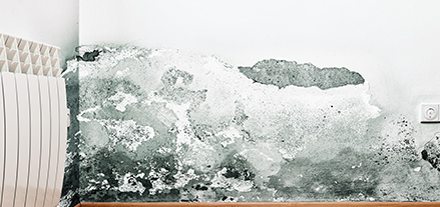
Once water is released, damage spreads fast. Water can travel through framing, insulation, and flooring, creating conditions for mold growth if not properly dried.
This is where professional water extraction, moisture detection, and structural drying make the difference between a manageable repair and a major restoration.
Internally, this is where frozen pipe incidents connect directly to your Water Damage Restoration and Mold Remediation services, reinforcing the importance of fast, professional response.
How PuroClean Helps After Frozen Pipe Damage
When frozen pipes cause water damage, experience matters. PuroClean responds quickly to assess the situation, remove standing water, and begin controlled drying using professional equipment.
Our teams focus on:
- Limiting secondary damage
- Identifying hidden moisture
- Preventing mold growth
- Communicating clearly throughout the process
Learn more about our Water Damage Restoration process and how early action helps reduce long-term damage after frozen pipe incidents.
Frozen pipes are one of the most preventable causes of winter water damage, yet they continue to impact properties every year due to delayed response and overlooked vulnerabilities. Understanding where frozen pipes occur, recognizing early warning signs, and acting quickly when problems arise can significantly reduce repair costs and downtime.
When frozen pipe damage does happen, working with a trusted local team like PuroClean of Morristown, New Jersey ensures fast response, professional restoration, and clear communication backed by national resources. Addressing frozen pipe risks proactively isn’t just winter preparation—it’s a practical step toward protecting your property year-round.

 PuroClean of Morristown