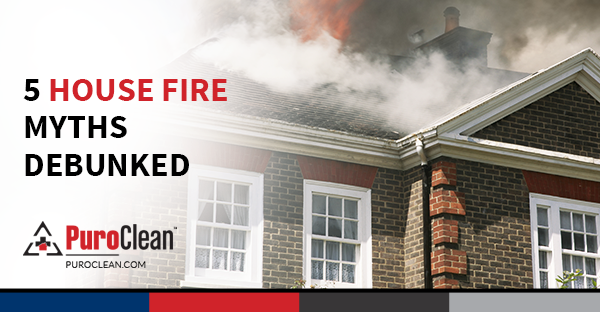
After a house fire, the danger unfortunately doesn’t stop once the flames have been put out.
Being misinformed when it comes to safety in the event of a fire is a position nobody wants to be in.
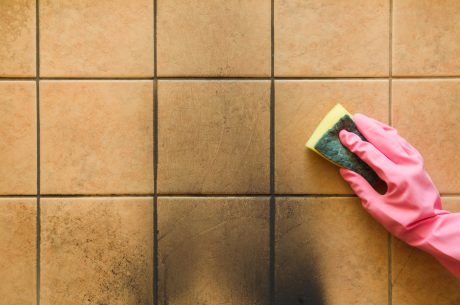
Most home fires start in the kitchen; more specifically, the stove top and oven.
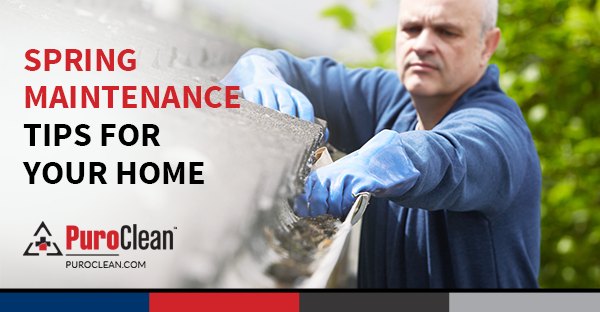
The first warm days in the spring are ideal for having fun outdoors, but it is also the perfect time for inspecting and adjusting the exterior of our homes.
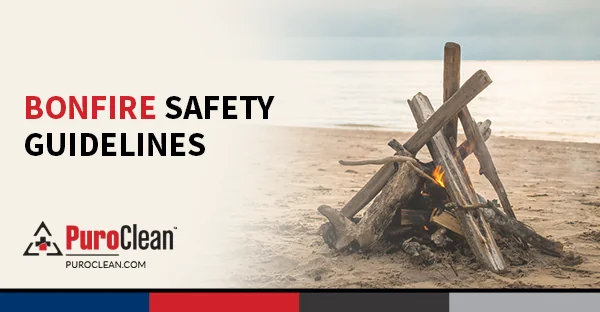
Whether you’re making a bonfire to dispose of burnable waste material or during a celebration, you should always follow the safety considerations first.
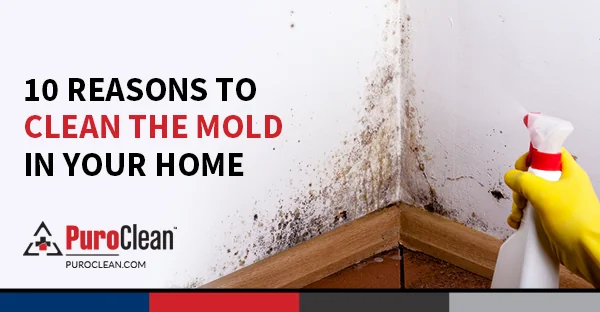
After a water-related disaster, or even when there is a small leak on your roof, the chances for mold to grow in your home are significantly high.
Your air conditioning unit is susceptible to leaks, which can lead to water damage, if you do not perform several maintenance tasks periodically.
When our homes require cleaning, we usually focus on the visible areas, such as the floor or windows.
Many cleaners found in stores contain chemicals that are bad for your health and to the environment.
Flash floods occur as a result of heavy rainfall, rapid snow thaw, city drains overflowing or dam/levee failures.
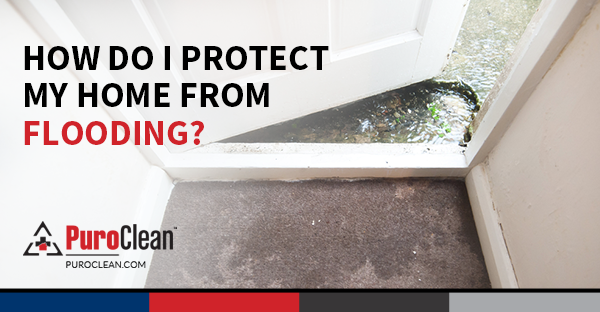
Flooding is a common disaster and causes millions of dollars’ worth of damage every year, especially during the spring and during the hurricane season.
According to the National Fire Protection Agency, most home fires are caused by cooking.
Sodium bicarbonate (baking soda) is a non-toxic substance that can be used in cooking, medicine, personal care, and, of course – cleaning.