 PuroClean of Morristown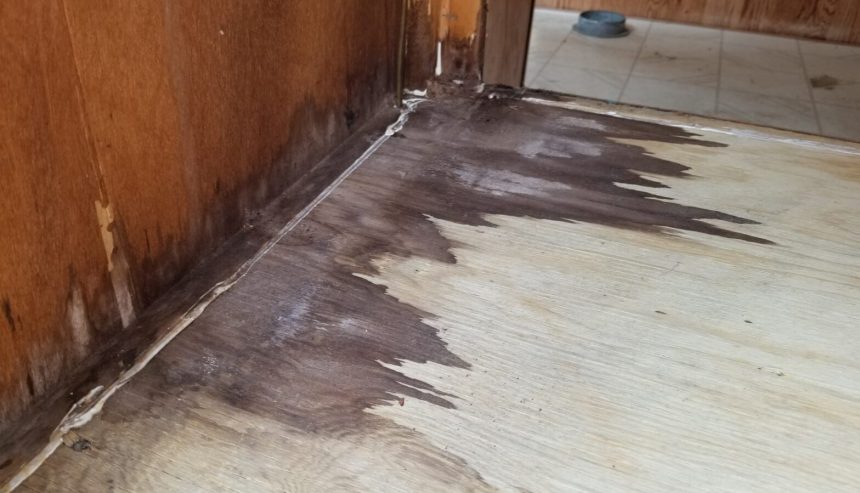
Water damage in Troy Hills, NJ isn’t always obvious. While a burst pipe or flooded basement is easy to spot, hidden water damage can go unnoticed for weeks or even months, leading to costly repairs and potential health risks. Homeowners and business owners must be aware of the warning signs and take action before the damage worsens.
In this blog, we’ll discuss the key signs of hidden water damage, the potential dangers it poses, and how you can address the issue before it becomes a major problem.
Common Signs of Hidden Water Damage
1. Musty Odors and Unexplained Dampness
If you notice a persistent musty smell in your home or office, it could be a sign of hidden water damage. Moisture trapped in walls, ceilings, or floors can create the perfect environment for mold and mildew, leading to unpleasant odors. Even if you don’t see visible water stains, a musty smell often indicates moisture buildup behind surfaces.
2. Stains and Discoloration on Walls and Ceilings
Water leaks often cause yellow, brown, or dark stains on walls and ceilings. These stains may start small but can spread over time, signaling an ongoing moisture problem. Peeling paint or wallpaper is another indicator, as moisture weakens the adhesive and causes surfaces to bubble or flake.
3. Warped or Buckled Flooring
Wood, laminate, and even tile flooring can be affected by hidden moisture. Warping, buckling, or soft spots in the flooring suggest that water is seeping underneath. If you notice that your floors feel uneven or spongy, it’s essential to investigate the source of the water damage.
4. Mold Growth in Unusual Places
Mold thrives in damp environments and can grow in hidden areas like behind drywall, under carpets, or inside HVAC systems. If you see mold spots on walls, ceilings, or baseboards, it’s a red flag that excess moisture is present. Mold can also cause health issues, including respiratory problems, allergies, and skin irritation, making early detection crucial.
5. Sudden Increase in Water Bills
A hidden leak can cause your water bill to spike unexpectedly. If you haven’t changed your water usage habits but notice an increase in your bill, it could be a sign that water is leaking somewhere in your plumbing system. Checking for leaks and monitoring your water meter can help pinpoint the issue.
6. Sounds of Running Water When No Fixtures Are On
Hearing dripping, gurgling, or running water sounds when all faucets and appliances are turned off may indicate a hidden leak. Pay close attention to these sounds, especially at night when the house is quieter, and inspect areas where water damage is likely to occur.
7. Weak or Sagging Walls and Ceilings
Water can weaken drywall and ceiling materials over time. If you notice walls that feel soft or ceilings that appear saggy, it could be due to hidden moisture. This is a serious issue that may lead to structural damage if not addressed promptly.
How to Address Hidden Water Damage
If you suspect water damage in your home or business in Troy Hills, NJ, taking quick action can prevent further deterioration. Here’s what you should do:
1. Identify the Source of the Leak
Start by checking common problem areas such as plumbing lines, roofs, basements, and under sinks. If you notice leaks, shut off the water supply to prevent further damage.
2. Inspect for Mold and Mildew
If you find mold growth, avoid disturbing it, as spores can spread and worsen air quality. Professional mold remediation services can safely remove mold and prevent it from returning.
3. Dry the Affected Area Thoroughly
Use fans, dehumidifiers, and ventilation to dry wet areas as quickly as possible. In severe cases, professional-grade drying equipment may be necessary to remove moisture trapped behind walls or under flooring.
4. Repair or Replace Damaged Materials
Depending on the extent of the damage, you may need to repair or replace drywall, flooring, and insulation. Water-damaged materials can weaken over time, so it’s essential to restore affected areas properly.
5. Schedule a Professional Water Damage Inspection
A water damage restoration specialist can assess the severity of the issue, locate hidden moisture, and provide a comprehensive restoration plan. Professionals use advanced tools such as infrared cameras and moisture meters to detect damage that may not be visible to the naked eye.
6. Prevent Future Water Damage
Once the issue is resolved, take preventive measures to avoid future damage. Regularly inspect plumbing, clean gutters, seal foundation cracks, and ensure proper ventilation in moisture-prone areas like basements and attics.
Why Professional Water Damage Restoration Matters
Ignoring hidden water damage can lead to structural problems, mold growth, and costly repairs. If you suspect moisture issues in your Troy Hills, NJ property, acting fast can save you time and money in the long run.



 PuroClean of Morristown