


The Power of Possessions and the Path to Peace
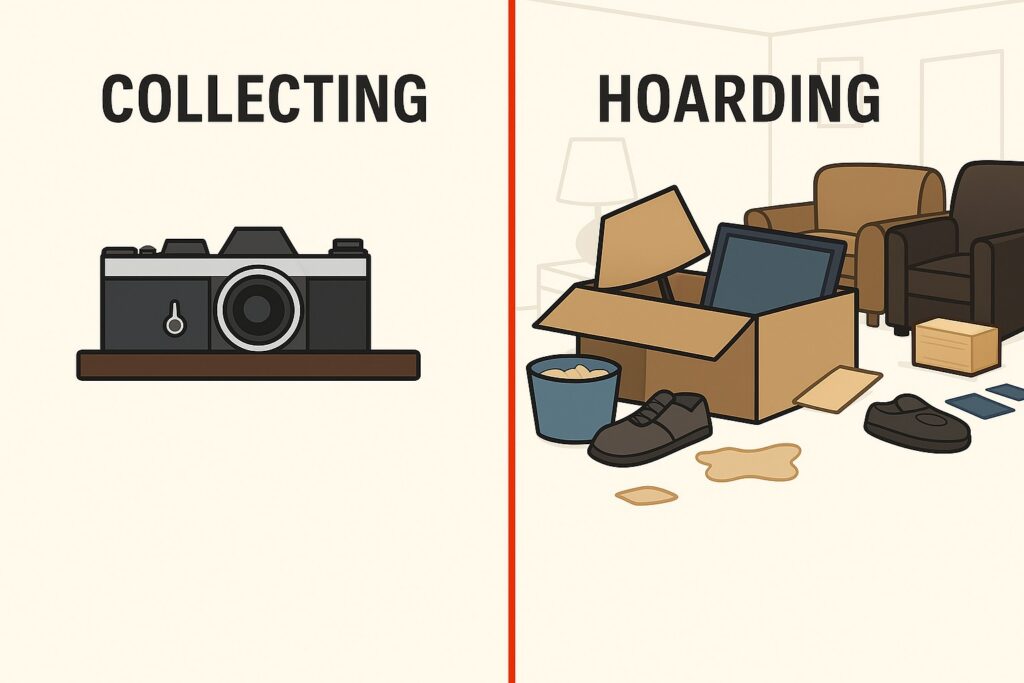
Our possessions tell stories—of passions, memories, and dreams. For some, a carefully curated collection of vinyl records or vintage coins brings joy and pride. For others, an overwhelming accumulation of items can turn a home into a source of stress and isolation. As a professional remediation company, we’ve witnessed both the beauty of collecting and the challenges of hoarding. But what truly separates these two behaviors? And how can compassionate remediation services help restore balance?
In this article, we’ll explore the key differences between collecting and hoarding, delve into the psychological factors behind them, and highlight how our remediation services can transform cluttered spaces into havens of peace. Whether you’re a passionate collector or someone seeking help with overwhelming clutter, this guide offers insights and solutions with empathy. Let’s discover how to reclaim your space and find harmony.
Table of Contents
What Is Collecting? A Joyful Pursuit of Passion
Defining Collecting
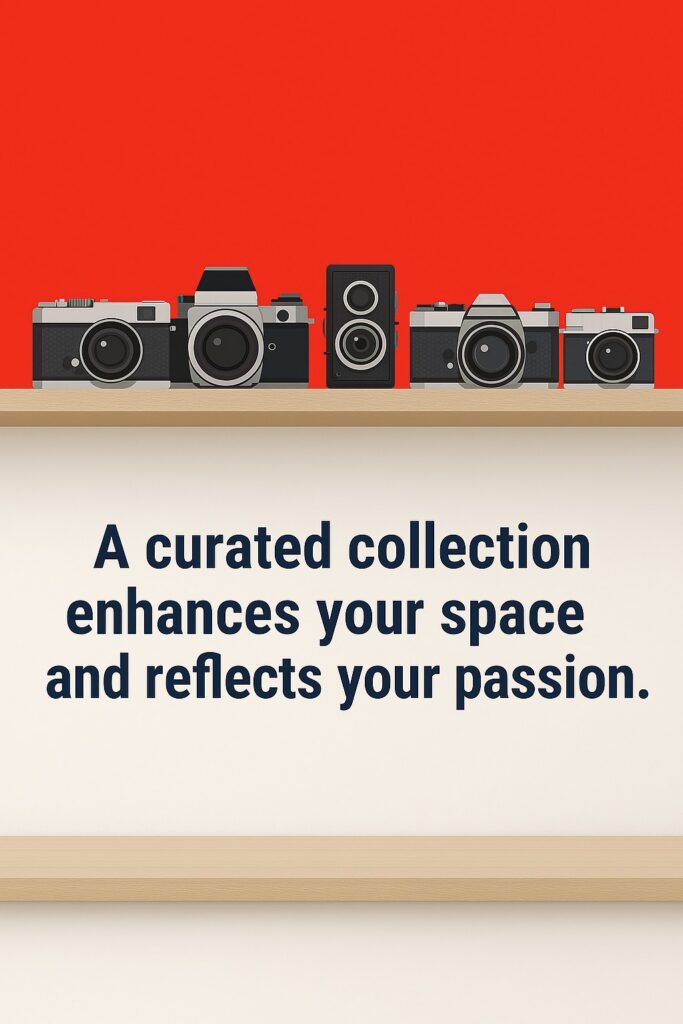
Collecting is the deliberate act of gathering items that hold personal, cultural, or aesthetic value. Collectors focus on specific categories—such as rare coins, sports memorabilia, or antique furniture—with intention and purpose. The process is organized, fulfilling, and often a source of pride.
Characteristics of Collecting
- Intentional Selection: Collectors choose items that align with a specific theme, like first-edition books or vintage watches.
- Organization and Pride: Collections are typically displayed neatly, enhancing the aesthetic of a space.
- Emotional Fulfillment: Collecting sparks joy, creativity, and a sense of accomplishment.
- Controlled Acquisition: Collectors set boundaries, acquiring items thoughtfully within their space and budget.
Characteristics of Collecting
- Purposeful Selection: Collectors are selective, seeking items that fit a theme or goal. For example, a coin collector might focus on rare mints from a specific era.
- Organization and Display: Collections are typically organized and showcased with pride. Think of a neatly arranged shelf of vintage cameras or a glass case of sports memorabilia.
- Emotional Joy: Collecting sparks joy, creativity, and a sense of accomplishment. It’s about curating a story through objects.
- Controlled Growth: Collectors set boundaries, acquiring items thoughtfully and often within their means.
The Psychology of Collecting
Psychologically, collecting is a healthy outlet for self-expression. According to research by Dr. Shirley Mueller, collecting stimulates the brain’s reward system, releasing dopamine when a coveted item is acquired. It fosters a sense of identity and community, as collectors often connect with others who share their passion. However, even collectors can benefit from remediation services to keep their spaces organized and functional.
What Is Hoarding? Understanding the Emotional Burden
Defining Hoarding
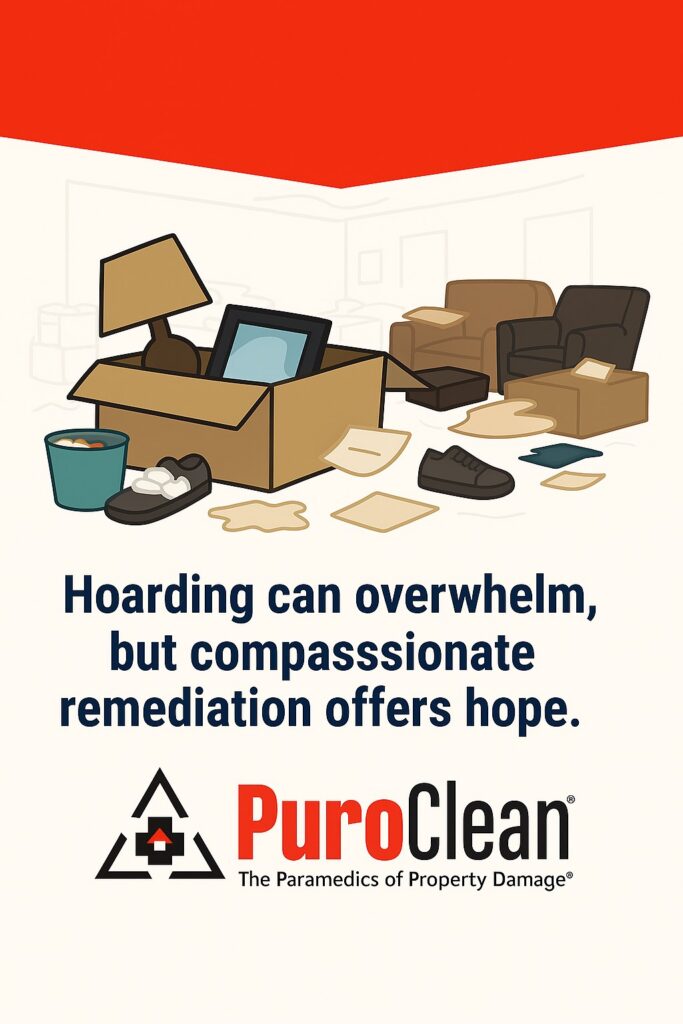
Hoarding is a mental health condition known as Hoarding Disorder, recognized in the DSM-5. It involves the excessive accumulation of items—often of little practical value—and an inability to discard them, leading to cluttered, unsafe living environments. Hoarding can make daily activities like cooking or sleeping challenging and may pose health and safety risks.
Characteristics of Hoarding
- Compulsive Accumulation: Hoarders acquire items indiscriminately, from old magazines to broken appliances.
- Difficulty Discarding: The thought of parting with possessions causes intense distress, even for seemingly trivial items.
- Cluttered Spaces: Hoarding leads to disorganized homes, often rendering spaces unusable.
- Emotional Toll: Hoarding is associated with shame, anxiety, and social isolation.
The Psychology of Hoarding
Hoarding is deeply rooted in emotional and psychological factors. According to Dr. Gail Steketee, a hoarding expert, common triggers include:
- Trauma or Loss: Hoarding may develop after significant life events, such as losing a loved one or facing financial hardship.
- Emotional Attachment: Items may symbolize safety, memories, or identity, making them hard to release.
- Cognitive Challenges: Difficulty with decision-making or organization can exacerbate hoarding behaviors.
- Mental Health Conditions: Hoarding often coexists with anxiety, depression, or OCD.
With compassion, we recognize that hoarding isn’t about carelessness—it’s a complex condition requiring professional support. Remediation services play a critical role in helping individuals reclaim their spaces while addressing emotional needs
Key Differences Between Collecting and Hoarding
While both collecting and hoarding involve accumulating items, their motivations, impacts, and outcomes differ significantly. Here’s a clear comparison:
| Aspect | Collecting | Hoarding |
|---|---|---|
| Intent | Purposeful, driven by passion | Compulsive, driven by emotional distress |
| Organization | Items are curated and displayed | Items create unsafe, cluttered spaces |
| Emotional Impact | Sparks joy and pride | Causes shame, anxiety, and isolation |
| Space Management | Enhances living spaces | Impedes functionality and safety |
| Acquisition | Selective and intentional | Excessive and indiscriminate |
| Need for Remediation | May need organization support | Requires professional remediation services |
The Role of Remediation
For collectors, remediation services can help maintain organized, clutter-free spaces to showcase their treasures. For those with hoarding tendencies, professional remediation offers a compassionate path to restoring safety and functionality. At PuroClean of Ft. Lauderdale South, we approach every project with empathy, ensuring clients feel supported and understood.
The Psychological Layers: A Compassionate Perspective
Why People Collect
Collecting is often a celebration of identity and passion. A comic book enthusiast might collect rare issues to reconnect with childhood memories, while an art collector curates pieces to express creativity. The act provides structure, purpose, and joy. However, even collectors can face challenges with space management, where remediation services can help maintain order.
Why People Hoard
Hoarding is often a response to emotional pain. Research from the International OCD Foundation highlights several factors:
- Fear of Waste: Hoarders may believe items could be useful someday, even if damaged.
- Sentimental Value: Objects may represent memories or loved ones, making discarding feel like a loss.
- Decision-Making Struggles: Cognitive challenges can make organizing or letting go overwhelming.
Compassion in Action
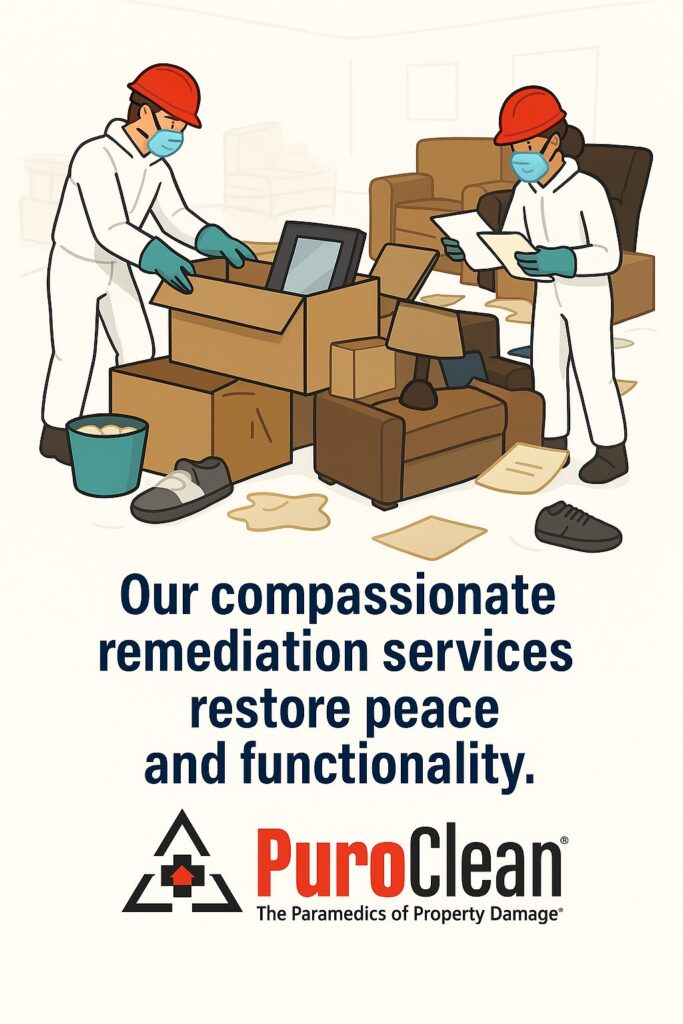
As a remediation company, PuroClean of Ft. Lauderdale South understand that hoarding is not about “messiness” but about emotional struggles. Our approach combines professional cleanup with sensitivity, helping clients navigate the process without judgment. For collectors, we offer tailored solutions to keep collections organized and spaces functional.
Practical Steps for Collectors and Those Needing Remediation
For Collectors: Maintaining a Clutter-Free Passion
- Define Your Focus: Limit your collection to a specific category (e.g., vintage postcards) to avoid over-accumulation.
- Organize Regularly: Use shelves, cases, or digital catalogs to keep your collection tidy.
- Seek Remediation Support: Professional remediation services can help design storage solutions for your collection.
- Connect with Communities: Share your passion with other collectors to enhance enjoyment and avoid isolation.
For Those Struggling with Hoarding
- Start with Support: Work with a therapist specializing in Hoarding Disorder to address emotional triggers.
- Begin Small: Declutter one area at a time, like a single shelf, to build confidence.
- Hire Remediation Experts: Professional remediation services, like ours, ensure safe, compassionate cleanup.
- Build a Support Network: Involve trusted friends or family for emotional encouragement.
How Our Remediation Services Make a Difference
At PuroClean of Ft. Lauderdale South, we specialize in transforming spaces with compassion and expertise. Our services include:
- Hoarding Cleanup: We clear cluttered spaces safely, addressing health hazards while respecting emotional attachments.
- Collection Organization: For collectors, we design custom storage solutions to showcase your treasures.
- Compassionate Approach: Our trained team listens to your needs, ensuring a judgment-free process.
- Ongoing Support: We offer maintenance plans to keep spaces clutter-free and functional.
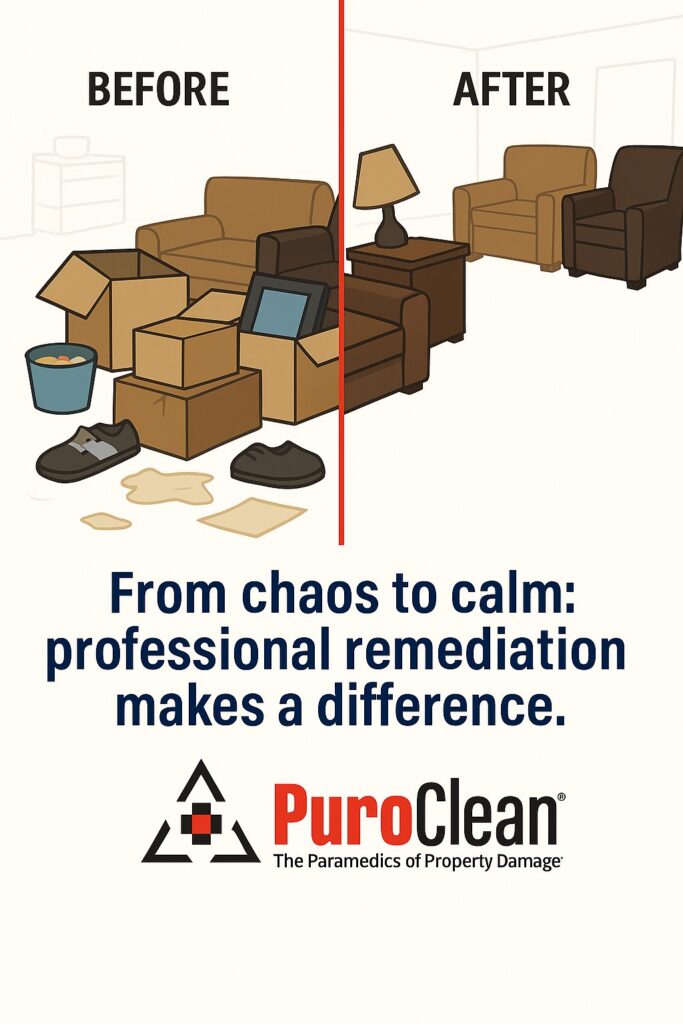
Case Study: Jane, a client with hoarding tendencies, struggled with a home filled with papers and clothing. Our team worked with her over several weeks, sorting items, donating usable goods, and creating a safe living space. Today, Jane enjoys a clutter-free home and ongoing support to maintain it.

Conclusion: Reclaiming Your Space with Compassion
Collecting and hoarding reflect different relationships with possessions—one rooted in joy, the other in emotional struggle. Collectors curate with purpose, while hoarding can overwhelm lives and spaces. Professional remediation services bridge the gap, offering solutions for collectors to stay organized and support for those battling hoarding to reclaim their homes.
At PuroClean of Ft. Lauderdale South, we’re committed to helping you find balance. Whether you’re a collector seeking organization or someone needing compassionate hoarding cleanup, we’re here to restore peace and functionality to your space.
If the situation has passed the point where the home is safe, our hoarding cleanup service page explains what the process looks like.

Ready to transform your space? Reach out for professional remediation services tailored to your needs. Share your story in the comments or connect with our community on X or Instagram for inspiration and support.
📞 Call now (754) 732-8383
📧 Contact us
🌐 PuroClean of Ft. Lauderdale South
Social Media🌐:
X | Facebook | Instagram | Google Maps | LinkedIn