 PuroClean of Ft. Lauderdale South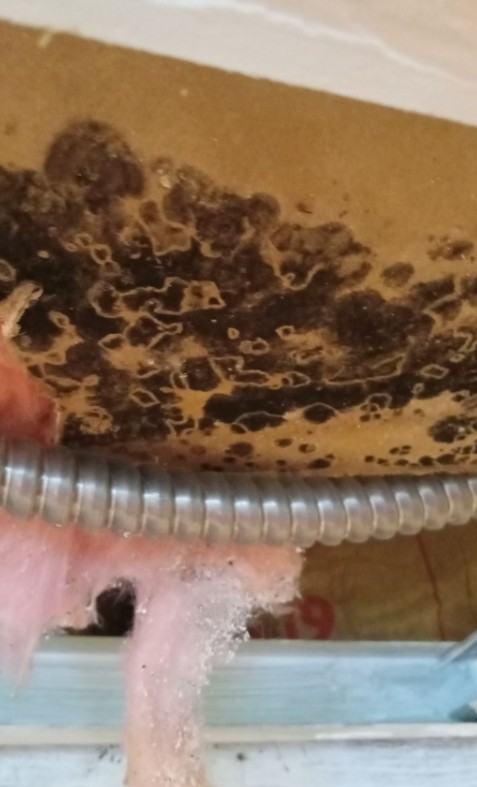
High humidity mold risks are a major concern for homeowners in Fort Lauderdale and throughout South Florida. With relative humidity levels often ranging from 67% in April to 78% in September, the hot, rainy climate creates perfect conditions for rapid mold growth in residential properties — especially luxury homes with complex HVAC systems.
At PuroClean of Ft. Lauderdale South, we frequently respond to cases where indoor humidity above 60% for more than 48 hours triggers visible mold growth within 24–48 hours, impacting walls, ceilings, air ducts, and personal belongings. Left unaddressed, these high humidity mold risks can affect your family’s health and significantly reduce your property’s value.
Table of Contents
What Causes High Humidity Mold in Fort Lauderdale Homes?
Mold thrives in environments with moisture, warmth, and organic materials. In our local area, the primary triggers for high humidity mold risks include:
- High outdoor humidity infiltrating indoor spaces
- HVAC system malfunctions or inadequate maintenance
- Hidden leaks in roofs, plumbing, or windows
- Condensation on windows, cold surfaces, or poorly ventilated attics
- Water damage that is not thoroughly dried within the first 24–48 hours
Important fact: When indoor humidity stays above 60% for several days, high humidity mold risks increase dramatically.
Key Signs of High Humidity and Mold Growth
Early detection is critical. Watch for these common signs of high humidity mold risks in Fort Lauderdale homes:
- Persistent musty or moldy odors, particularly in closets, bathrooms, or basements
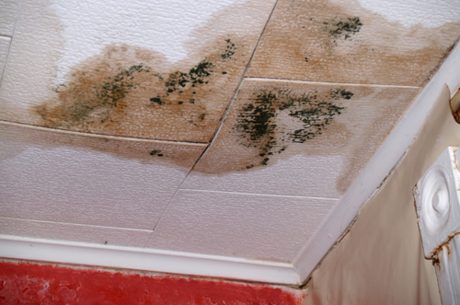
- Black, green, or white discoloration on walls, ceilings, or baseboards
- Frequent condensation on windows and mirrors
- Increased allergy symptoms, sneezing, coughing, or fatigue when indoors
- Peeling paint, warped wood, or damp fabrics
- Unusually high energy bills as the AC struggles to remove moisture
In luxury properties, hidden mold behind drywall or inside ventilation systems can remain undetected until it severely impacts indoor air quality.
Ideal Indoor Humidity Levels for South Florida Homes
The best way to reduce high humidity mold risks is to maintain proper indoor humidity. The U.S. Environmental Protection Agency (EPA) recommends keeping relative humidity below 60%, with an ideal range of 30% to 50%.
| Indoor Humidity Level | Recommendation for Fort Lauderdale Homes |
|---|---|
| 30–50% | Ideal – prevents mold growth and dust mites |
| Below 60% | Safe according to EPA guidelines |
| 60% or higher | High risk – act quickly to prevent mold |
Practical tip: Invest in a reliable digital hygrometer to monitor humidity in key areas. Use your air conditioning system or add a dehumidifier when levels rise.
Read the EPA’s Brief Guide to Mold, Moisture, and Your Home
Proven Prevention Strategies for Luxury Properties
You can significantly lower high humidity mold risks by following these effective strategies:
- Control indoor humidity — Run your AC in auto mode, clean filters monthly, and use dehumidifiers as needed.
- Ventilate moisture sources — Use exhaust fans in bathrooms and kitchens during and after use. Never dry clothes indoors.
- Repair leaks immediately — Check roofs, pipes, and windows after heavy rain or storms.
- Ensure good airflow — Keep vents unobstructed and consider ceiling fans in humid zones.
- Maintain your HVAC system — Schedule professional inspections annually to prevent condensation in ducts.
- Use mold-resistant materials — Choose anti-mold paints and avoid carpeting in bathrooms or high-moisture areas during renovations.
The Florida Department of Health stresses that keeping humidity below 60% and properly venting moisture are essential steps to prevent mold in Florida homes.
When to Call IICRC-Certified Mold Professionals
Do not attempt large-scale mold remediation on your own. Contact professionals immediately if high humidity mold risks have progressed to any of these situations:
- Visible mold covers more than 10 square feet (approx. 1 m²)
- Persistent musty odors exist without an obvious source
- Residents experience health symptoms related to poor indoor air quality
- Recent water damage from leaks, flooding, or hurricanes has occurred
- Indoor humidity remains elevated despite prevention efforts
Florida regulations and most insurance policies require IICRC-certified specialists for significant mold issues. Professionals follow the ANSI/IICRC S520 Standard for Professional Mold Remediation (2024 Edition).
Our team will locate the moisture source, contain the affected area, safely remove the mold, and fully restore your property without cross-contamination.
Why Choose PuroClean of Ft. Lauderdale South
As trusted local restoration experts serving Fort Lauderdale, Pembroke Pines, Hollywood, and nearby South Florida communities, PuroClean of Ft. Lauderdale South features IICRC-certified technicians, advanced equipment, and 24/7 emergency availability.
We go beyond surface cleaning — we identify and eliminate the root cause of high humidity mold risks so the problem does not return. Our goal is to safeguard your family’s health, protect your luxury home, and preserve your investment with clear, professional service.
Concerned about high humidity mold risks in your Fort Lauderdale home?
Don’t wait for the problem to worsen. Contact PuroClean of Ft. Lauderdale South today for a professional inspection or complimentary evaluation. We’re ready to help you maintain a safe, healthy home in South Florida’s demanding climate.
Call us now: (754) 732-8383
Available 24/7 | Local, trusted professionals
FAQ Section
What is the ideal indoor humidity level for a Fort Lauderdale luxury home?
The EPA and CDC recommend keeping relative humidity between 30-50%, with a maximum of 60% to prevent mold.
How quickly can mold develop in high humidity conditions in Broward County?
Mold can begin growing within 24-48 hours when indoor humidity exceeds 60% combined with warm temperatures.
Are certain features in waterfront homes more vulnerable?
Yes — areas with condensation-prone surfaces, poor ventilation, or proximity to water are at higher risk.
Does regular AC use help control mold risk?
Yes, when properly maintained, it significantly reduces indoor humidity.

 PuroClean of Ft. Lauderdale South