 PuroClean of Ft. Lauderdale South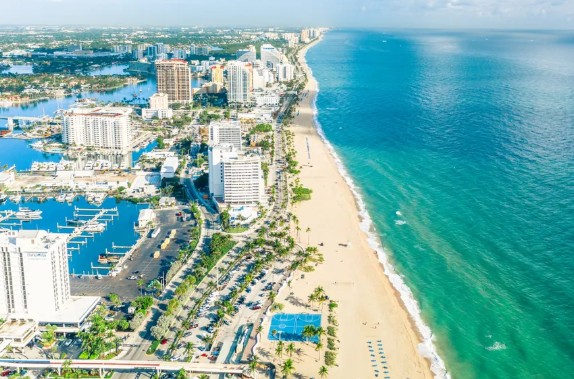
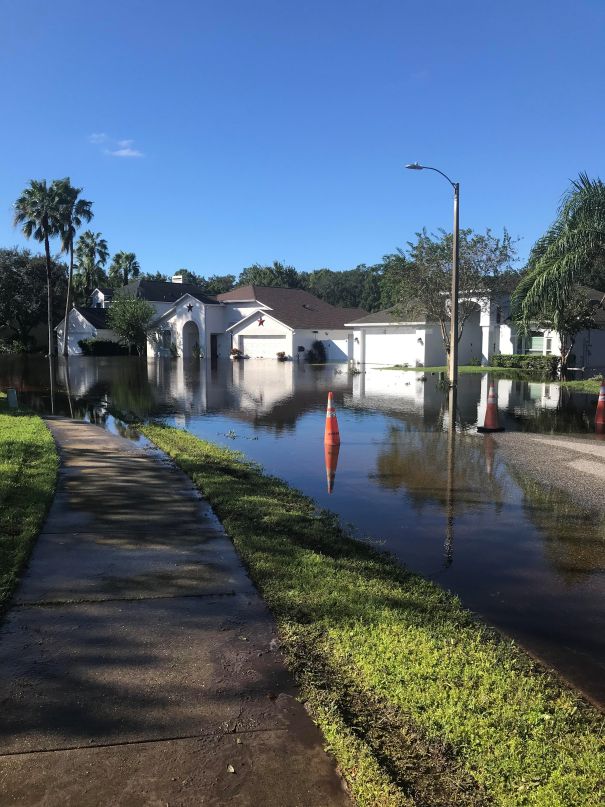
Fort Lauderdale, Florida, is a coastal gem with its iconic canals and vibrant lifestyle. Yet, its beauty comes with a challenge: frequent flooding. The historic April 2023 downpour, which dumped over 25 inches of rain in just 12 hours, highlighted the city’s vulnerability. Understanding the causes of flooding in Fort Lauderdale is essential for residents, businesses, and policymakers to mitigate its impact.
Table of Contents
Why Fort Lauderdale Faces Flooding ⁉️A Complex Mix
Flooding in Fort Lauderdale stems from a combination of natural and human-induced factors. From its low elevation to climate change, these causes of flooding in Fort Lauderdale create a perfect storm. Below, we break down the seven key drivers, supported by data and real-world examples.
1. Low-Lying Topography🌍
Fort Lauderdale’s average elevation is just 9 feet above sea level, with some areas even lower. This flat, coastal geography makes the city a hotspot for flooding, especially during heavy rain or storm surges. The city’s canal system, while picturesque, can overflow, as seen in the April 2023 floods when 25.91 inches of rain overwhelmed drainage.
- Why It Matters: Low elevation slows water drainage, exacerbating floods. Canals, designed for navigation, often can’t handle extreme water volumes.
- Explore coastal flood risks at NOAA.
2. Intense Rainfall: A Leading Cause of Flooding ⛈️
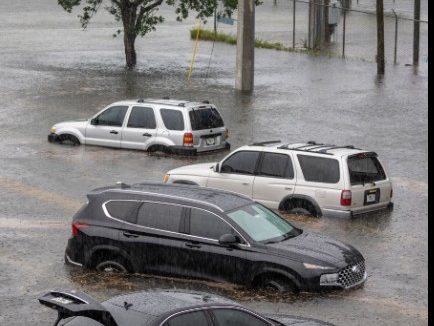
Fort Lauderdale’s subtropical climate brings heavy rain, particularly during the wet season (May to October). The April 2023 “1-in-1,000-year” storm dumped 25.6 inches of rain in 12 hours, far exceeding the typical April average of 3 inches.
- How It Happens: Slow-moving thunderstorms, fueled by warm Gulf Stream air, stall over the city, causing flash floods. In 2023, a low-pressure system intensified rainfall rates to 3–4 inches per hour.
3. Climate Change: Amplifying Causes of Flooding
Climate change intensifies flooding through heavier rainfall and rising sea levels. By 2060, sea levels in Fort Lauderdale could rise by 26.6–33.9 inches, increasing tidal flooding even on clear days.
- Key Impact: Warmer air holds 7% more moisture per degree Celsius, leading to extreme storms. The 2023 floods showcased this trend.
- Learn about sea level rise at Union of Concerned Scientists.
4. Urban Development: A Human Cause of Flooding🏢🏭🏨
Rapid urbanization replaces natural landscapes with concrete and asphalt, reducing the ground’s ability to absorb water. This increases runoff, overwhelming drainage systems during heavy rains like those in 2023.
- The Problem: Impervious surfaces like parking lots prevent water absorption. Saturated soils from prior rains worsened the 2023 floods.
- Solution: Green infrastructure, like permeable pavements, can help. Visit EPA’s Green Infrastructure.
5. Inadequate Drainage: A Structural Cause of Flooding in Fort Lauderdale👷🏼♂️
Fort Lauderdale’s drainage systems, while extensive, aren’t designed for extreme rainfall. Aging infrastructure and clogged drains struggled during the 2023 floods, despite efforts to clear them with vacuum trucks.

6. Storm Surges: A Coastal Cause of Flooding in Fort Lauderdale
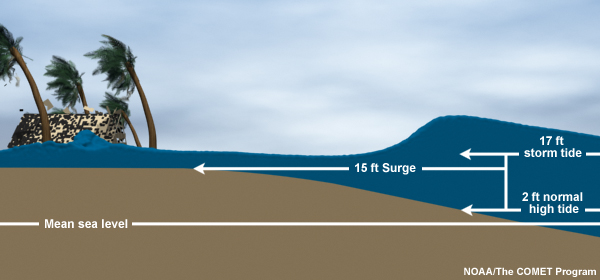
Fort Lauderdale’s coastal location makes it vulnerable to storm surges, especially during hurricanes. While the 2023 floods were rain-driven, events like Hurricane Irma in 2018 caused significant flooding via surges.
- How It Works: Storm surges push seawater inland, flooding low areas. Combined with rain, this creates severe inundation.
- See FEMA’s Hurricane Guide for preparedness tips.
7. Human Behavior: A Preventable Cause of Flooding in Fort Lauderdale
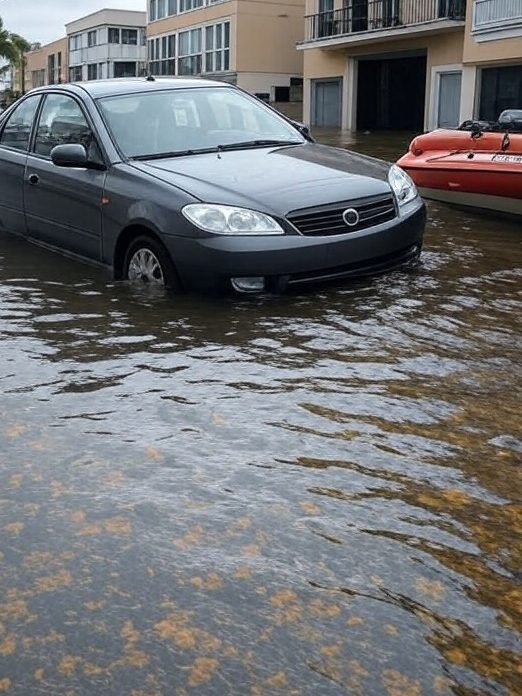
Human actions, like ignoring flood warnings or lacking preparedness, worsen flood impacts. In 2023, drivers navigating flooded streets led to stranded cars and increased rescue demands.
- What’s Happening: A 2023 study found 57% of U.S. households are unprepared for floods. Underestimating risks amplifies damage.
- Create a flood plan with Ready.gov.
Impacts of Flooding in Fort Lauderdale
The causes of flooding in Fort Lauderdale lead to severe consequences:
- Infrastructure: The 2023 floods closed Fort Lauderdale-Hollywood Airport for two days, canceling over 1,100 flights. City Hall lost power, and schools shut down.
- Economic Losses: Schools faced $2 million in damages, with homes and businesses losing billions.
- Health Risks: Contaminated floodwaters posed dangers as residents waded through them.
Solutions to Combat Causes of Flooding in Fort Lauderdale
Addressing the causes of flooding in Fort Lauderdale requires proactive steps:
- Upgrade Drainage: Modernize storm drains for extreme rainfall.
- Green Infrastructure: Use permeable pavements and rain gardens to reduce runoff.
- Community Preparedness: Promote flood education via Broward County.
- Climate Adaptation: Elevate buildings and strengthen coastal barriers.

📞 Contact Us Today if you need a flood inspection on your property (754) 732-8383
📫Send us a message PuroClean of Ft. Lauderdale South
📚From Our Blog:
🚨Best Ways to Restore Flood-Damaged Furniture
🚨7️⃣ Urgent Reasons For Water Damage Restoration Fort Lauderdale
Social Media🌐: X
Facebook | Instagram | Google Maps | LinkedIn

 PuroClean of Ft. Lauderdale South