 PuroClean of Ft. Lauderdale South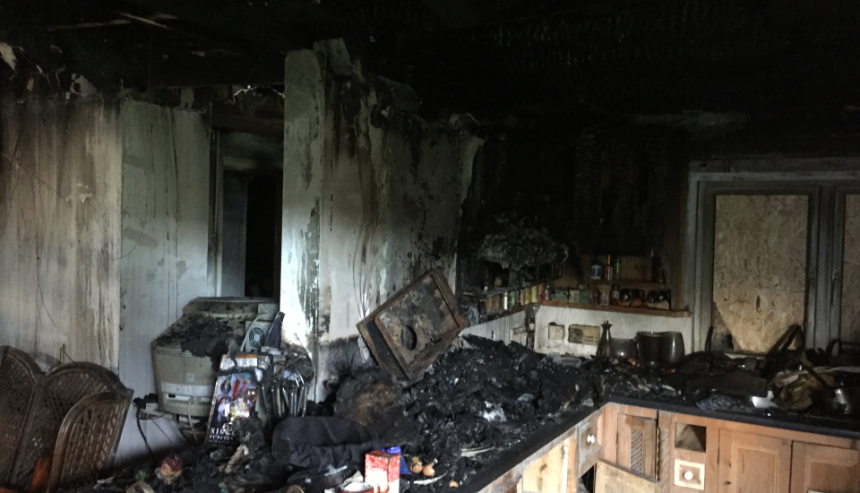
Fires can be devastating, leaving behind not just visible damage but also long-term consequences that extend beyond the initial event. In this article, we’ll delve into the intricate details of the effects of fire and smoke damage on your home. From immediate structural issues to lingering health concerns, understanding the aftermath is crucial for effective recovery and prevention.
1. The Immediate Fallout
Fire and smoke damage often result in immediate consequences. Flames can consume structures, leaving behind a trail of destruction. Smoke, on the other hand, infiltrates every nook and cranny, causing pervasive damage to walls, furniture, and personal belongings.
2. Structural Compromises
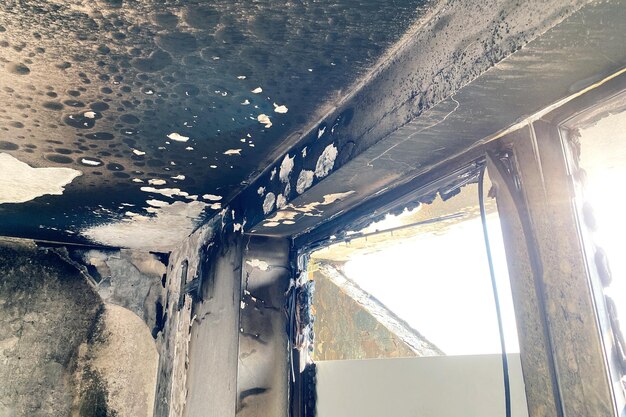
The structural integrity of a home is profoundly affected by fire. High temperatures can weaken or compromise the strength of materials like wood and steel. Identifying and addressing structural issues promptly is vital for ensuring the safety of the home’s occupants.
3. Lingering Odors
The aftermath of a fire isn’t just visible; it’s also olfactory. Lingering smoke odors can persist long after the flames are extinguished. Addressing these odors requires a comprehensive approach, including cleaning, deodorizing, and sometimes, professional assistance.
4. Health Hazards
Smoke carries harmful particles and toxins that pose health risks. Inhalation of these substances can lead to respiratory problems and other health issues. Understanding the potential health hazards is crucial for ensuring the well-being of those returning to the affected space.
5. Water Damage from Firefighting Efforts
While water is essential for firefighting, it can also lead to secondary damage. Excessive water can permeate walls and structures, causing mold growth and additional structural problems. Timely water damage restoration is essential to prevent long-term issues.
6. Impact on Personal Belongings
Beyond the structural and health-related impacts, fires take a toll on personal belongings. Valuables, sentimental items, and essential documents may be lost or damaged. Salvaging what remains and restoring items of sentimental value can be a challenging but necessary process.
7. Emotional Toll
The effects of a fire extend beyond the physical realm, taking a significant emotional toll on individuals and families. Coping with trauma and stress requires not just physical restoration but also emotional support and resilience.
8. Insurance Challenges
Navigating insurance claims after a fire can be a complex process. Understanding your policy, documenting damages, and working closely with your insurance provider is essential to ensure a smoother and more efficient claims process.
9. Prevention and Preparedness
Preventing fire and smoke damage is as crucial as dealing with its aftermath. Implementing fire safety measures, having an evacuation plan, and investing in preventive technologies can significantly reduce the risk and severity of damage.
10. Professional Restoration Services
Engaging professional restoration services is often the best course of action. These experts have the knowledge, experience, and tools to assess, repair, and restore the various aspects of your home affected by fire and smoke damage.
What Are the Effects of a Fire and Smoke Damage on Your Home?
Understanding the myriad effects of fire and smoke damage on your home is the first step toward effective recovery and mitigation. From immediate structural concerns to the emotional toll it takes, a comprehensive approach is necessary for a successful restoration process.
PuroClean of Pembroke Pines – Your Trusted Restoration Partner
In times of fire and smoke damage, having a reliable restoration partner is essential. PuroClean of Pembroke Pines specializes in comprehensive restoration services, ensuring that your home is restored to its pre-damage condition. Their expert team combines efficiency with empathy, guiding you through the restoration process with care.
Conclusion
Experiencing the effects of fire and smoke damage on your home is undoubtedly challenging, but with the right knowledge and proactive measures, recovery is possible. From immediate fallout to long-term consequences, addressing each aspect systematically ensures a more resilient and restored living space.
Frequently Asked Questions
Q: How long does it take to recover from fire and smoke damage?
A: The recovery time varies depending on the extent of the damage. Minor damages may take a few weeks, while more severe cases could extend to several months.
Q: Can I handle fire damage cleanup on my own?
A: While some minor cleanup can be done by homeowners, professional restoration services are recommended for comprehensive and safe restoration.
Q: Are there long-term health effects after a fire?
A: Yes, prolonged exposure to smoke particles can have long-term health effects. It’s crucial to seek medical attention if you experience respiratory issues or other health concerns.
Q: How can I prevent fire and smoke damage?
A: Implement fire safety measures, have a well-thought-out evacuation plan, and invest in smoke detectors and fire extinguishers to prevent and mitigate fire damage.
Q: What should I do immediately after a fire occurs?
A: Ensure everyone’s safety, contact emergency services, document damages for insurance purposes, and consult with professional restoration services for a thorough assessment.
Q: How do I navigate insurance claims after a fire?
A: Review your insurance policy, document damages, and work closely with your insurance provider. Seeking professional advice can also simplify the claims process.


 PuroClean of Ft. Lauderdale South