 PuroClean of Ft. Lauderdale South
In this article:
Published: May 9, 2026
Hantavirus in South Florida is a topic many local residents are researching after recent news. In recent weeks, headlines about a hantavirus cluster aboard the MV Hondius cruise ship have prompted understandable questions among South Florida homeowners, property managers, and business owners. Yet the data from the CDC and WHO paint a picture of low risk for our community when informed action is taken.
Here at PuroClean of Fort Lauderdale South, we have received a significant number of calls from concerned homeowners and business owners in recent days due to the latest hantavirus news. We decided to write this article to provide clear, factual information based on CDC and WHO guidelines, with the sole intention of offering reassurance and practical guidance to the South Florida community — not to create alarm or controversy.
At PuroClean of Ft. Lauderdale South, we specialize in professional biohazard remediation and have responded to countless incidents involving rodent droppings and contaminated areas across Broward and Miami-Dade counties. Our goal in this article is to provide clear, evidence-based information drawn directly from the Centers for Disease Control and Prevention (CDC) and the World Health Organization (WHO). We focus on facts, practical prevention steps tailored to our subtropical climate, and the critical role of certified professionals when contamination is discovered.
Table of Contents
Understanding Hantavirus
Hantavirus in South Florida remains rare according to official CDC data, with only three confirmed cases in the entire state over the last three decades. However, our warm and humid climate in Broward and Miami-Dade counties creates ideal conditions for rodents to thrive, making prevention and proper cleanup especially important for local residents.

Hantaviruses belong to a family of viruses carried primarily by rodents worldwide. First identified during the Korean War in the 1950s, these pathogens were formally classified by the WHO in 1987. In the Americas, they are associated with hantavirus pulmonary syndrome (HPS), a serious respiratory illness. In Europe and Asia, related strains more commonly cause hemorrhagic fever with renal syndrome (HFRS).
The CDC reports that hantaviruses in the Western Hemisphere are transmitted almost exclusively by rodents such as deer mice, cotton rats, and rice rats. According to CDC surveillance data through the end of 2023, 890 laboratory-confirmed cases of hantavirus disease have been reported in the United States since national tracking began in 1993. Of these, 859 involved HPS. The case fatality rate for individuals who develop respiratory symptoms stands at approximately 38 percent. Florida has recorded only three confirmed cases between 1993 and 2023. This rarity reflects both limited rodent reservoirs capable of sustaining the virus and effective public health awareness in our region.
The WHO emphasizes that most hantaviruses do not spread easily between people. The notable exception is the Andes virus, native to South America, which has documented limited person-to-person transmission under conditions of close, prolonged contact and exposure to bodily fluids.
Although hantavirus in South Florida is uncommon, many residents are searching for reliable information on hantavirus prevention South Florida and professional biohazard remediation Fort Lauderdale after the recent national news. Understanding the local risk helps families in Broward and Miami-Dade counties make informed decisions.
Transmission, Symptoms, and the Importance of Early Recognition
Hantavirus in South Florida is almost always transmitted through airborne particles from rodent droppings, urine or saliva. In South Florida homes, this often happens in attics, garages and crawl spaces that are rarely accessed until a storm or renovation forces us to go in. Early symptoms can easily be mistaken for the flu, so anyone in Fort Lauderdale, Pembroke Pines or Hollywood who has been around rodent signs should seek medical attention promptly if they develop fever, muscle aches or shortness of breath.
Human infection occurs when aerosolized particles from rodent waste are inhaled—often during cleaning, construction, or entry into infrequently used spaces like attics, garages, or crawl spaces. Less common routes include rodent bites or direct hand-to-mouth contact after touching contaminated surfaces. The virus is not transmitted through casual contact, water, or food prepared under normal hygiene standards.
Symptoms of HPS typically appear one to eight weeks after exposure. Early signs mimic influenza: fever, headache, muscle aches, fatigue, and sometimes gastrointestinal distress such as nausea, vomiting, or abdominal pain. Within days, the illness can advance to coughing and shortness of breath as fluid accumulates in the lungs. The CDC stresses that anyone experiencing these symptoms after known or suspected rodent exposure should seek immediate medical evaluation.
In our experience at PuroClean of Ft. Lauderdale South, families and business owners frequently contact us after discovering rodent signs only after a health concern arises. Early recognition of both the environmental hazard and the clinical symptoms saves lives and prevents unnecessary escalation.
Recent Developments: The MV Hondius Outbreak and Implications for South Florida
The May 2026 cluster aboard the MV Hondius—an expedition vessel that departed Ushuaia, Argentina—has drawn international attention. Health authorities confirmed involvement of the Andes strain, with six to eight cases and three fatalities reported. The WHO has assessed the global risk as low, noting that person-to-person transmission of Andes virus remains rare and typically requires intimate, sustained contact.
For South Florida residents, this event serves as a timely reminder rather than a local threat. Domestic risk continues to stem from everyday encounters with local wild rodents. Florida’s Department of Health aligns with CDC guidance: routine vigilance around homes and businesses is sufficient for the vast majority of residents.
Assessing Local Risk in South Florida’s Unique Environment
South Florida’s warm, humid climate creates conditions that can accelerate rodent activity and complicate cleanup. Despite these environmental factors, the statistical record is reassuring. With only three documented cases in Florida over three decades, HPS remains an uncommon diagnosis.
Practical Prevention for South Florida Homes and Businesses
When dealing with hantavirus in South Florida, the CDC’s “Seal Up! Trap Up! Clean Up!” guidelines are very effective. In our subtropical environment, it is especially important to use metal containers for pet food and birdseed, remove fallen fruit from citrus trees quickly, and schedule professional attic inspections before hurricane season. These small habits greatly reduce the chance of heavy rodent contamination that could later require professional biohazard remediation.
The CDC’s core prevention message is straightforward: minimize contact with rodents through their “Seal Up! Trap Up! Clean Up!” framework. Homeowners and business owners can implement these steps themselves or work with licensed pest management professionals for ongoing control.
Seal Up! Inspect and seal gaps around foundations, utility penetrations, garage doors, soffits, and air-conditioning lines. Use steel wool, metal flashing, or concrete patch.
Trap Up! (Recommended) Work with a licensed pest management professional if you need ongoing rodent control.
Clean Up! Never sweep or vacuum rodent droppings, urine, or nesting material. Wear rubber or plastic gloves and an N95 respirator. Spray the area thoroughly with a 1:10 bleach solution or EPA-registered disinfectant, allow it to stand for five minutes, wipe with paper towels, double-bag the waste, and dispose outdoors.
For those concerned about hantavirus in South Florida, following CDC guidelines combined with local best practices for rodent droppings cleanup South Florida offers the best protection. In our humid climate, these steps are especially important to prevent situations that may later require professional biohazard cleanup Broward County.
When Professional Biohazard Remediation Becomes Essential
Even with good prevention, sometimes significant rodent contamination is discovered in homes or businesses. In those situations, attempting cleanup without proper equipment and training can spread particles and increase health risks. Professional biohazard remediation is then the safest and most effective solution.
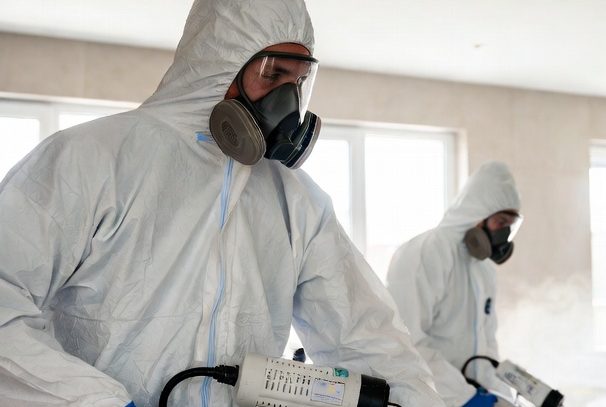
Heavy infestations, visible nesting in living areas, or contamination in HVAC systems demand expert handling. Attempting large-scale cleanup without certified personal protective equipment (PPE), HEPA filtration, and regulated waste disposal can inadvertently spread contaminants.
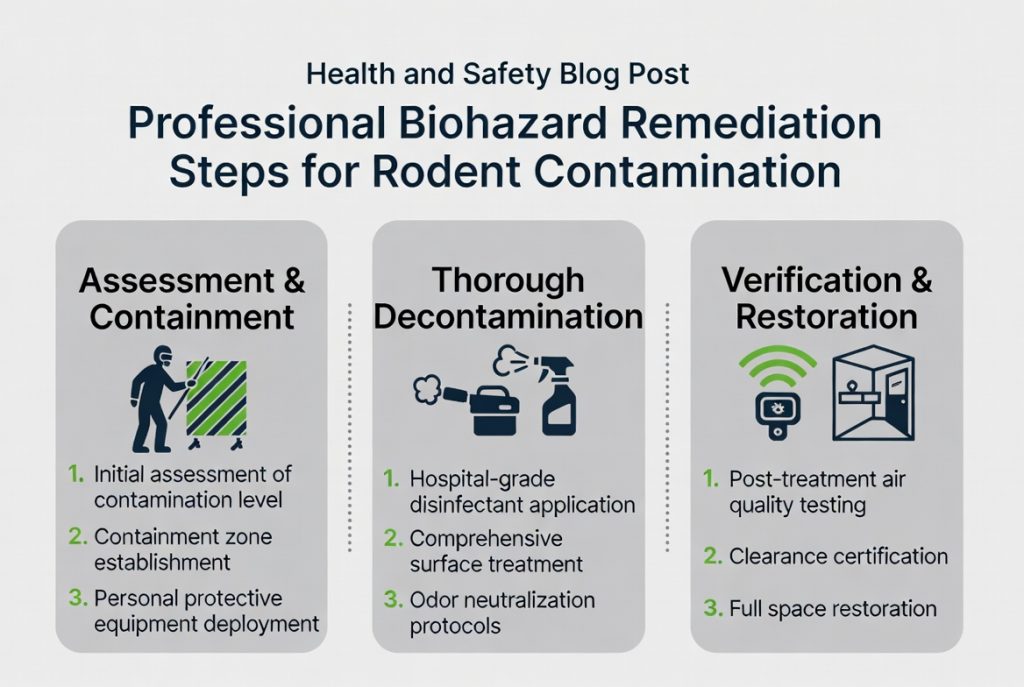
When professional help is needed, the process includes a free on-site assessment, proper containment, thorough decontamination using hospital-grade disinfectants and advanced equipment, and final verification. This structured approach ensures the space is safely restored with full documentation for insurance purposes.
When hantavirus in South Florida leads to significant contamination, many homeowners and business owners in Pembroke Pines, Fort Lauderdale and Hollywood choose to contact a certified specialist for professional biohazard remediation. This ensures the area is safely decontaminated without spreading particles.
Our commitment to excellence goes even further. Franchise owner Carlos Niemes completed the Microbial Warriors Biohazard Remediation Training Program — a rigorous 3.5-day intensive course focused on advanced pathogen handling, risk assessment, HEPA containment, antimicrobial decontamination, and full regulatory compliance with OSHA standards. This specialized training ensures our team applies the highest industry standards when responding to rodent-related contamination and other biohazard situations in South Florida.
The Professional Remediation Process
When you call PuroClean of Ft. Lauderdale South for hantavirus-related contamination, we follow a proven, transparent process: free on-site assessment, full containment, thorough decontamination with RapidDefense™ technology, and final air-quality verification. This ensures your home or business returns to a safe condition with complete documentation for insurance purposes.
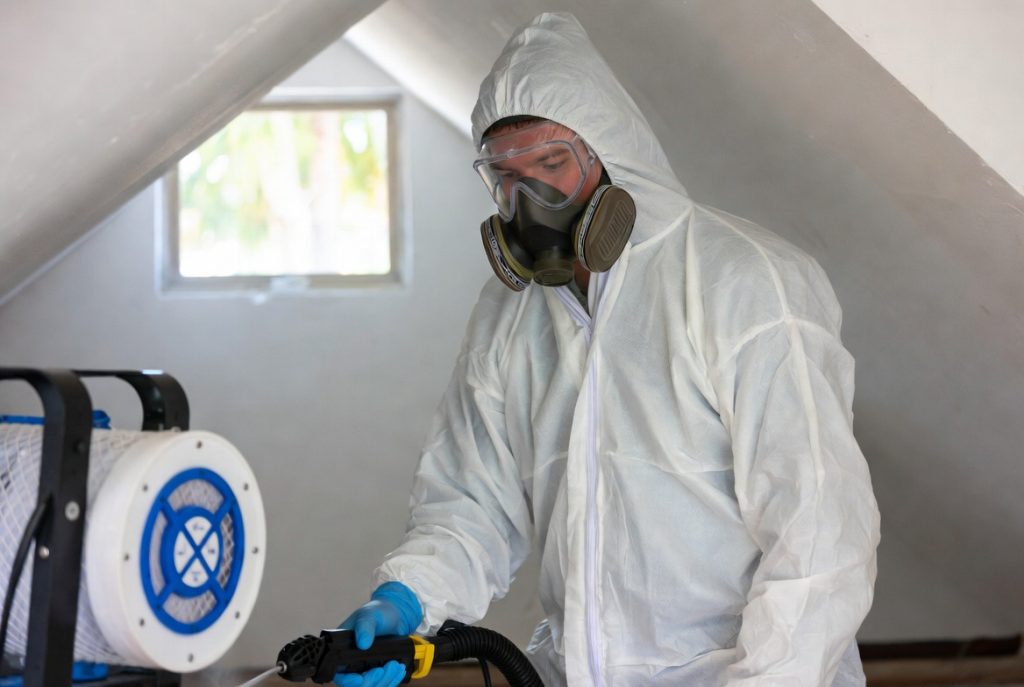
When you contact PuroClean of Ft. Lauderdale South, the process begins with a free on-site assessment. Technicians evaluate the extent of contamination, develop a customized remediation plan, and use containment barriers to prevent cross-contamination. All waste is handled as regulated medical waste and disposed of according to state and federal guidelines.
Post-remediation verification includes air-quality testing and surface sampling where appropriate.This structured approach not only eliminates the immediate hazard but also restores confidence in the safety of the space.
This level of expertise is backed by continuous professional development. Our owner’s completion of the Microbial Warriors Biohazard Remediation Training Program — led by industry veterans with decades of forensic restoration experience — reinforces our ability to manage complex cases safely and effectively, giving homeowners and business owners in Fort Lauderdale, Pembroke Pines, and surrounding areas complete peace of mind.
FAQ About Hantavirus in South Florida
How common is hantavirus in South Florida?
Hantavirus in South Florida is very rare. According to CDC data, Florida has recorded only three confirmed cases since 1993. Our warm, humid climate supports rodents, but proper prevention and professional biohazard remediation keep the risk low.
Can hantavirus spread from person to person?
Most strains of hantavirus do not spread between people. The Andes strain (involved in the recent cruise ship cluster) has limited person-to-person transmission only under very close, prolonged contact. The risk in everyday South Florida life remains extremely low.
What should I do if I find rodent droppings in my attic or garage?
Never sweep or vacuum them. Wear an N95 mask and gloves, spray the area with a 1:10 bleach solution or EPA-registered disinfectant, let it sit for 5 minutes, wipe with paper towels, and double-bag the waste. For larger areas or HVAC contamination, call a professional biohazard remediation company like PuroClean of Ft. Lauderdale South
Is it safe to clean rodent droppings myself?
Small, isolated areas can be cleaned following CDC guidelines. However, if you have heavy infestation, nesting material, or contamination in living spaces, professional biohazard remediation is the safest option to avoid spreading particles.
Does PuroClean of Fort Lauderdale South offer rodent control or extermination?
No. We specialize exclusively in professional biohazard remediation — the safe cleaning, disinfection, and restoration of areas contaminated by rodent droppings, urine, and nesting material.
How long does professional biohazard remediation take?
Most residential jobs in South Florida are completed in 1–2 days. We work 24/7 and provide a free on-site assessment so you know exactly what to expect.
Will my insurance cover biohazard cleanup for hantavirus?
Many homeowners’ and commercial insurance policies cover professional biohazard remediation after rodent contamination. We provide full documentation to help with your claim.
What makes PuroClean of Fort Lauderdale South different?
As a local franchise with more than 5 years serving Broward and Miami-Dade, we combine national PuroClean standards (over 20 years of experience) with proprietary RapidDefense™ technology, IICRC certification, and true 24/7 local response.
How can I prevent hantavirus in South Florida long-term?
Work with a licensed pest management company for ongoing rodent control, store food properly, remove clutter, and schedule annual attic and crawl-space inspections — especially before hurricane season.
Conclusion: Informed Action Protects What Matters Most
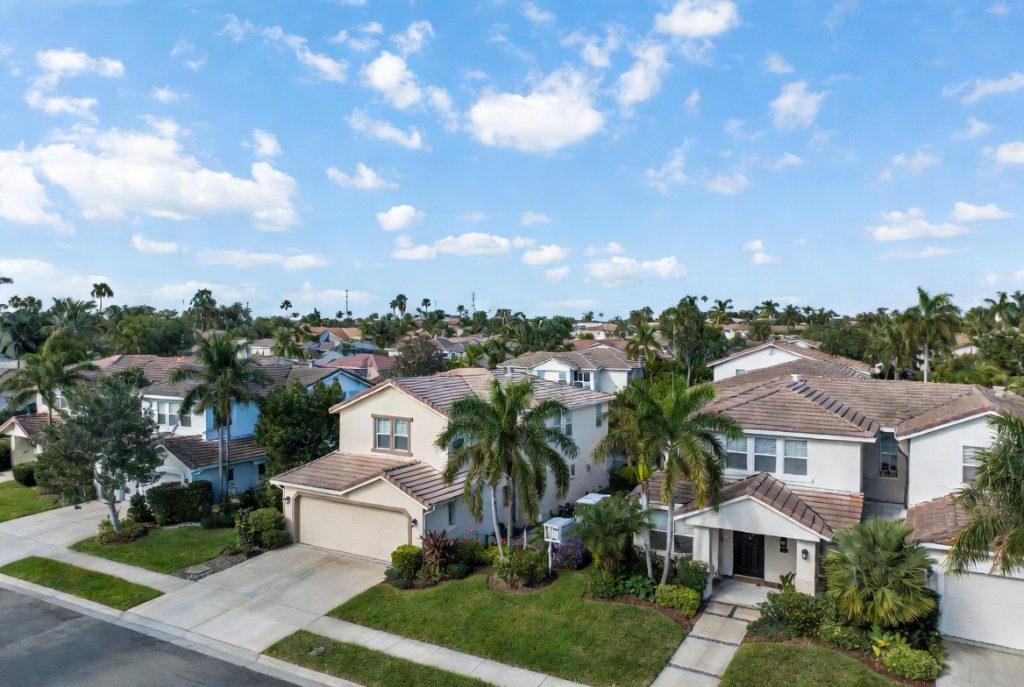
Our goal with this article is simple: to give South Florida families and business owners clear, factual information so they can act with confidence instead of fear.
Hantavirus remains a rare but serious rodent-borne illness. The data from the CDC and WHO confirm that South Florida faces minimal community risk, particularly when residents and property owners maintain vigilant prevention practices and address any contamination promptly with certified professionals.
When professional biohazard remediation is needed, the certified experts at PuroClean of Ft. Lauderdale South stand ready with the training, equipment, and experience necessary to restore safety efficiently and discreetly.
Contact PuroClean of Ft. Lauderdale South today
We are here to help with professional biohazard cleanup and decontamination—24 hours a day, seven days a week.

 PuroClean of Ft. Lauderdale South