 PuroClean of Ft. Lauderdale South
 In this article:
How to prevent frozen pipes is no longer a question reserved only for northern states. In recent years, sudden Arctic air intrusions, record-breaking cold snaps, and unpredictable winter storms have pushed freezing temperatures far beyond their traditional boundaries. When pipes freeze, the risk is not the ice itself—but the pressure it creates. A single frozen pipe can burst without warning, releasing hundreds of gallons of water inside a home or commercial property.
At PuroClean, we see firsthand how fast frozen pipe incidents turn into major water damage losses. This guide is written with today’s weather reality in mind: data-driven, practical, and focused on prevention—not clichés.
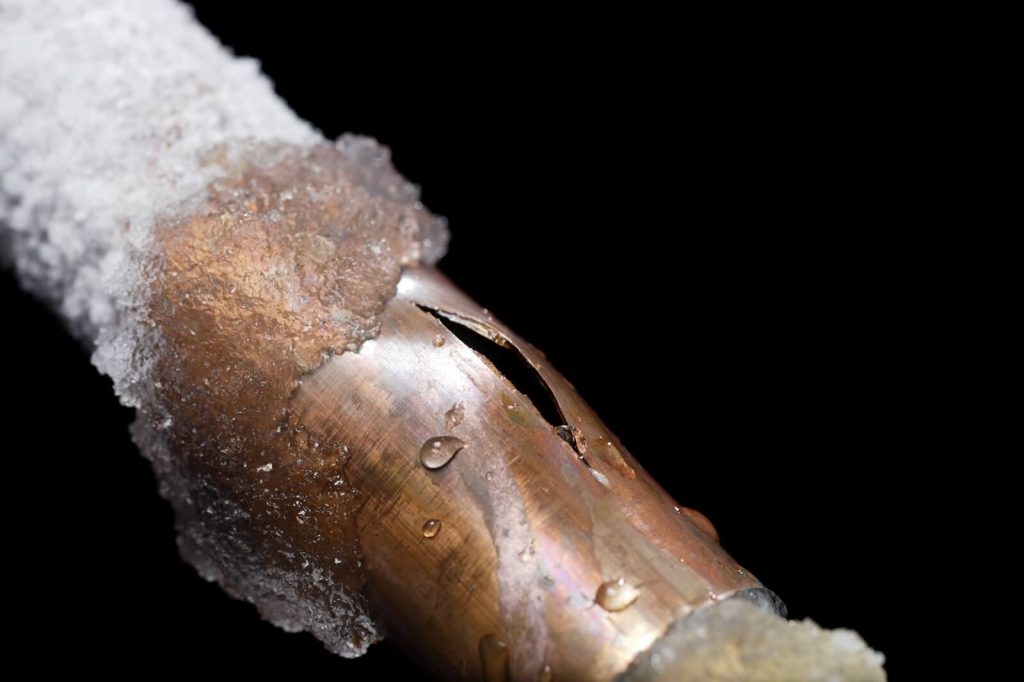
Table of Contents
🌨️ Why Pipes Freeze and Why It Matters
Frozen pipes happen when water inside plumbing drops below 32°F (0°C), expands, and creates pressure that can crack or burst pipes. This risk isn’t limited to traditionally cold regions — even mild winter zones can experience freeze events that catch properties unprepared.
- Plumbers and weather experts explain that the real threat isn’t ice itself, but pressure buildup and sudden ruptures inside walls, ceilings, and floors.
- Homes with exposed pipes in unheated areas (attics, garages, crawl spaces) are particularly susceptible.
📌 Plumbing Areas Most Vulnerable to Freezing
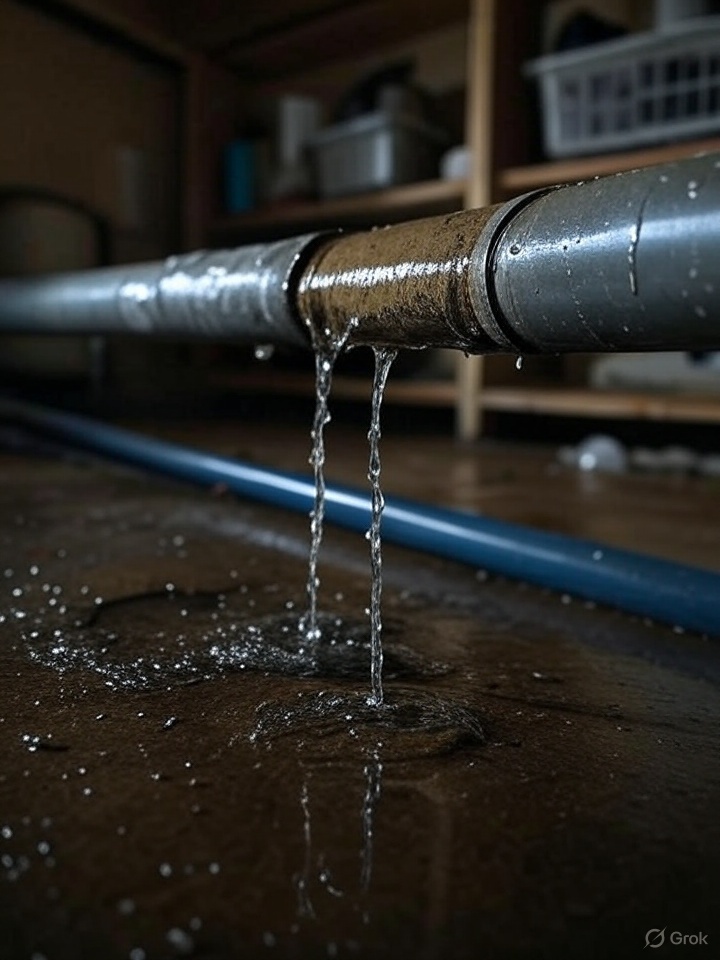
Understanding where freezing occurs is the first step in prevention. The most common problem areas include:
- Pipes running along exterior walls with minimal insulation
- Plumbing in unheated garages or storage rooms
- Attic supply lines exposed to night-time temperature drops
- Outdoor hose bibs and irrigation lines
- Under-sink pipes in kitchens and bathrooms located on exterior walls
Properties built before modern insulation codes or recently renovated without pipe relocation face increased risk during freeze events.
🛠️ How to Prevent Frozen Pipes Before Cold Weather Hits
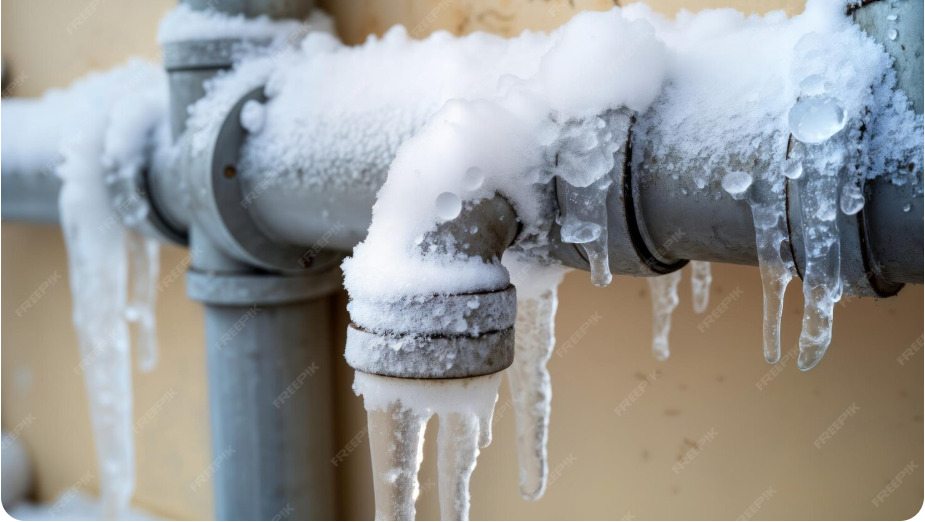
Here’s the most effective frozen pipes prevention tips based on industry best practices:
1. Insulate Exposed Pipes
Insulation is your first line of defense.
- Use foam pipe insulation or fiberglass sleeves on exposed pipes.
- Consider heat tape or cable for additional protection on the most vulnerable sections.
📍 Why it matters: Insulation slows heat loss and reduces the risk of water freezing inside pipes
2. Seal Air Leaks and Drafts
Cold air infiltration can drop pipe temperatures rapidly. Seal gaps around:
- Utility penetrations
- Foundation sill plates
- Exterior wall openings
- Attic access points
Use weather-resistant caulk or expanding foam to block cold airflow.
3. Maintain Consistent Indoor Temperatures
Set thermostats no lower than 55°F (13°C) during cold weather, even when a property is unoccupied. Smart thermostats with temperature alerts can provide early warnings if heating systems fail.
4. Disconnect Outdoor Hoses and Protect Spigots
Water left in hoses can freeze and back up into home plumbing.
- Shut off exterior spigot valves and install faucet covers.
- Drain and store hoses each winter.
5. Let Faucets Drip During Extreme Cold
A trickle of running water helps keep pressure from building inside pipes.
- Plumbing pros recommend a pencil-thin stream during prolonged freeze warnings — more effective than a slow drip.
❄️ What to Do During a Freeze Warning
During an active freeze, take these actions:
- Open cabinet doors under sinks on exterior walls to allow warm air circulation.
- Keep garage doors closed if pipes are present.
- Allow faucets connected to exposed pipes to drip slightly.
These steps increase warmth and motion in the plumbing system—two key defenses against freezing. If thawing safely fails or water damage appears, professional assistance is critical to prevent secondary issues like mold or structural damage.
🚨 Early Signs of Frozen Pipes
Recognizing early indicators can prevent catastrophic failure:
- Reduced or no water flow from faucets
- Frost or condensation on exposed pipe surfaces
- Unusual noises (gurgling, banging) when turning on taps
🔧 How to Safely Thaw Frozen Pipes
If you suspect a pipe has frozen:
- Open the faucet connected to the pipe to relieve pressure.
- Use a hair dryer or warm towels to apply heat gently.
- Never use open flames, torches, or high-heat devices.
If you can’t locate the frozen section, or if you suspect a burst, shut off the main water immediately and call a professional.
💧 The Hidden Damage Frozen Pipes Cause
Frozen pipes rarely cause only visible leaks. Secondary damage includes:
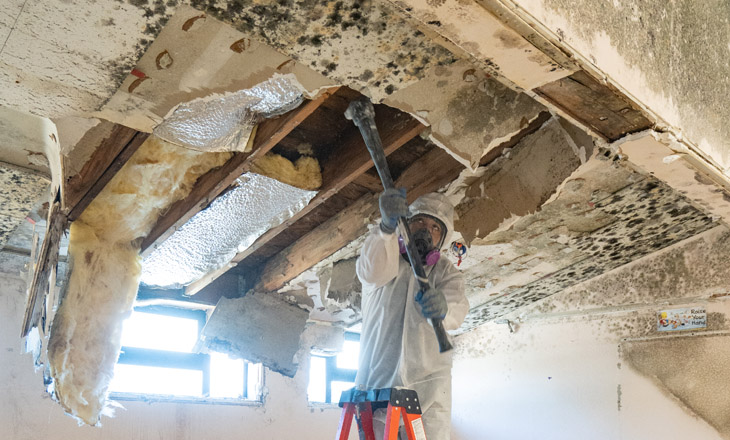
- Mold growth in walls and insulation
- Structural wood warping
- Ceiling collapse
- Electrical hazards
Insurance claims often escalate not from the freeze itself, but from delayed detection and secondary loss.
🌦️ Weather Monitoring: Stay Ahead of Freezing Events
Proactive homeowners use:
- National Weather Service “Freeze & Hard Freeze” alerts
- Local emergency notifications
- Verified meteorologists on X (formerly Twitter)
- Smart temperature sensors for remote monitoring
Early warnings allow you to act before pipes reach freezing conditions.
🛠️ Professional Response: When It Matters Most
Even with the best prevention, frozen pipes can still lead to water damage. Rapid mitigation:
- Limits further structural damage
- Reduces mold risk
- Supports insurance documentation
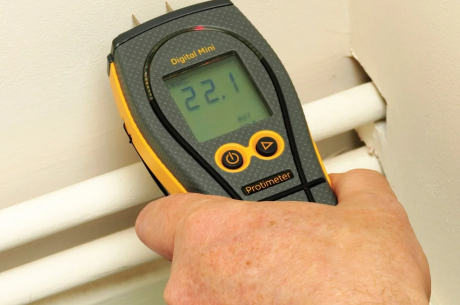
At PuroClean of Ft. Lauderdale South, we provide expert water damage restoration, moisture detection, and structural drying services — crucial when frozen pipe events escalate.
🧠 Final Thoughts
Understanding how to prevent frozen pipes is about more than just insulation — it’s about inspection, proactive maintenance, weather monitoring, and timely action. With these practiced techniques, you’ll significantly reduce your risk of costly water damage this winter and beyond.
If you suspect frozen pipes or have experienced water damage, contact us for professional evaluation and prompt mitigation.
🌟For more information on industry best practices for restoration response, see the Institute of Inspection, Cleaning and Restoration Certification (IICRC): https://iicrc.org

 PuroClean of Ft. Lauderdale South