 PuroClean of Ft. Lauderdale South
Are you worried about the air quality in your home? Do you suspect that there may be mold lurking in the corners, causing potential health hazards to you and your family? If so, it’s time to take action. Mold inspection and testing should be your first step toward creating a healthy living environment.
In this article, we’ll explore the importance of mold inspection and testing, the process involved, and the benefits of early detection. By understanding these key aspects, you’ll be equipped with the knowledge to address any mold issues that may arise.
The Importance of Mold Inspection and Testing
The importance of mold inspection and testing cannot be overstated, as it directly impacts the health and well-being of you and your family. Here are some key reasons why mold inspection and testing are crucial:
- Early Detection and Prevention: Regular mold inspections can help locate mold growth in its early stages. By detecting mold early, you can immediately prevent it from spreading and causing further damage.
- Health Protection: Mold exposure can lead to various health issues, particularly for individuals with allergies, asthma, or respiratory conditions. Testing for mold can help confirm the presence of mold spores or mycotoxins, allowing you to take the necessary steps to protect your family’s health.
- Identification of Hidden Mold: Mold can thrive in hidden areas such as behind walls, under carpets, or in basements. A professional mold inspection can uncover hidden problems that might go unnoticed.
- Pinpointing Moisture Sources: Mold requires moisture to grow. During an inspection, experts can identify sources of water intrusion or high humidity levels contributing to mold growth. Addressing these moisture issues is essential to prevent mold from coming back.
- Peace of Mind: Knowing that your home is free from harmful mold can provide you and your family peace of mind. You can rest assured that you provide a safe and healthy living environment.
Inspection and testing are vital steps in maintaining a healthy living space and safeguarding your family’s well-being. Regular inspections can help you detect mold early, identify hidden growth, and take the necessary actions to prevent mold-related problems. Don’t underestimate the importance of mold inspection – it’s an investment in your family’s health and your home’s well-being.
The Process of Mold Inspection
Start by scheduling a thorough examination to identify any potential mold issues in your living space. The mold inspection procedure typically involves a comprehensive home assessment conducted by professional mold inspectors. These experts are armed with the knowledge and tools necessary to detect hidden mold growth and assess the extent of contamination. During the inspection, they will examine visible areas and hard-to-reach spaces such as attics, basements, and crawl spaces.
To ensure a meticulous inspection process, professional mold inspectors follow a structured approach. Here is a compact overview of the steps involved:
- Visual Assessment: The inspector will carefully examine all accessible areas for signs of mold growth, such as discoloration or musty odors.
- Moisture Detection: They will use moisture meters and thermal imaging cameras to locate areas with excessive moisture levels that could potentially lead to mold growth.
- Sampling: In some cases, air or surface samples may be collected for laboratory analysis. It helps determine the type and concentration of mold present in your home.
By following this detailed procedure, professional mold inspectors can give you an accurate evaluation of your home’s mold situation. Early detection is crucial in avoiding further damage and protecting your health from potential hazards associated with prolonged mold exposure.
The Benefits of Early Mold Detection
Discovering potential mold issues in your living space at an early stage can save you from expensive repairs and ensure the well-being of your loved ones. Here are some of the benefits of early mold detection you should take into account:
- Cost Savings: Catching mold growth early on allows you to address the issue with relatively simple and cost-effective measures. Promptly dealing with small mold problems can prevent them from spreading and causing extensive damage that would require expensive repairs or reconstruction later on.
- Preservation of Property: By addressing mold issues at an early stage, you can protect your home’s structural integrity. Mold weakens building materials, leading to decay and potential collapse if left unchecked. Preventing such damage ensures the longevity of your property.
- Health Protection: Mold spores can cause various health problems, primarily for individuals with allergies or respiratory issues. Early detection and removal of mold colonies prevent the release of spores into the air, reducing the risk of allergic reactions, respiratory symptoms, and other health concerns.
- Improved Indoor Air Quality: Mold growth can significantly compromise indoor air quality, leading to musty odors and potential health hazards. Early detection and remediation help maintain a clean and healthy indoor environment, promoting better overall well-being.
- Easier Remediation: Addressing mold growth in its early stages usually requires less invasive and disruptive remediation methods. That means less inconvenience for occupants during the cleanup process.
- Enhanced Property Value: Regular inspections and early mold detection help maintain your property’s value. A mold-free home with a healthy indoor environment appeals more to potential buyers and renters.
Overall, the benefits of early mold inspection and testing extend far beyond financial savings, encompassing property preservation, health protection, and peace of mind for homeowners and occupants alike. Regular inspections and proactive measures are essential for maintaining a mold-free and safe living space.
Common Signs of Mold Infestation

Mold infestations can be sneaky, and recognizing the signs early on is crucial for appropriate action. Here are some common signals of mold infestation:
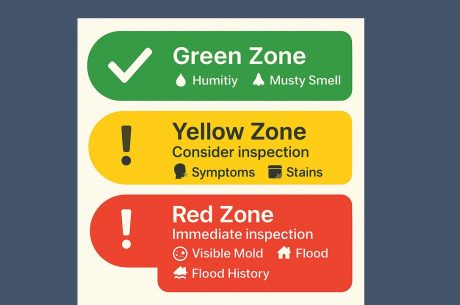
- Visible Mold Growth: Sometimes, mold colonies can be seen with the naked eye. They often appear as green, black, brown, or white patches on walls, ceilings, or other surfaces. If you notice mold growth, it’s crucial to immediately prevent it from spreading further.
- High Humidity Levels: Mold develops in damp and humid environments. If you notice consistently high humidity levels in your home, it could create an ideal breeding ground for mold. Using a hygrometer can help you monitor indoor humidity levels and take appropriate measures to keep them in check.
- Water Leaks or Intrusion: Any water leaks or water intrusion issues in your home can lead to mold growth if not addressed promptly. Check for clues of leaks, such as water stains, peeling paint, or bubbling wallpaper, and repair them as soon as possible.
- Condensation: Condensation develops when warm, moist air comes into contact with cooler surfaces, leading to water droplets forming. It can happen on windows, mirrors, or cold walls, indicating high humidity levels indoors.
- Allergies in Previously Healthy Individuals: If you or your family suddenly start experiencing allergy-like symptoms or respiratory issues and haven’t had any prior history of allergies, it could be due to mold exposure.
If you suspect a mold infestation in your home, promptly addressing the issue is essential. Mold inspection and testing can help confirm mold’s presence and identify the problem’s extent. Mold can pose health risks, particularly for vulnerable individuals with allergies, respiratory conditions, or weakened immune systems. In such cases, it’s best to seek professional help for mold remediation and take preventive measures to control humidity levels and moisture in your living space.
Types of Mold Testing
If you’re curious about the different ways to identify mold in your living space, there are various types of tests available that can provide valuable insights. Regarding mold testing, two common options are air sampling and surface testing.
- Air Sampling: This type of test involves collecting air samples from different areas of your home to assess the concentration and types of mold spores present. The samples are typically collected using a specialized pump or cassette and then analyzed in a laboratory. Air sampling can help identify hidden sources of mold, such as behind walls or under carpets, and provide information about indoor air quality.
- Surface Testing: Surface testing involves taking samples from visible mold growth or suspected contaminated surfaces. Depending on the surface being tested, these samples can be collected using swabs, tape lifts, or bulk methods. Surface testing helps determine the specific species of mold present and can also provide insights into the extent of contamination.
Both air sampling and surface testing have their advantages and limitations. It’s important to note that no single test can detect all types of mold or guarantee complete accuracy. Therefore, using a combination of these tests for a comprehensive assessment may be beneficial if you suspect a mold issue in your home.
Taking Action and Addressing Mold Issues
Taking action and addressing mold issues promptly and effectively is essential for maintaining a healthy living environment. Here’s a step-by-step guide to creating an action plan and conducting mold remediation:
- Assessment and Identification: Begin by identifying all areas affected by mold growth. Check for visible cues of mold, such as discoloration, musty odors, and water stains. Pay special attention to areas prone to moisture, such as bathrooms, kitchens, basements, and areas with leaks or water damage.
- Document the Problem: Take photos and notes of the affected areas to document the extent of the mold growth. That will help you track progress and communicate with professionals if needed.
- Safety Precautions: If the mold problem is extensive or you have health concerns, consider hiring a professional mold remediation company. Otherwise, if you choose to handle it yourself, wear recommended personal protective equipment (PPE), such as gloves, masks, and goggles, to shield yourself from mold spores during the remediation process.
- Containment: Isolate the affected areas to prevent mold spores from spreading to other corners of the house. Seal off the location with plastic sheeting and tape.
- Removal: Remove all affected materials that cannot be salvaged, such as heavily-infested porous items like carpets, ceiling tiles, and drywall. Bag and dispose of these items properly, following local regulations.
- Cleaning: Clean hard surfaces with an effective mold cleaner or a blend of water and detergent. Avoid using bleach alone as it can’t penetrate porous materials, and its fumes can be harmful.
By following these steps and being proactive about mold prevention, you can effectively address mold issues and maintain a healthy living environment. However, if you ever feel overwhelmed or unsure about handling mold remediation, don’t hesitate to seek professional assistance to ensure your safety and thoroughly remove mold from your home.
Final Thoughts
Mold inspection and testing should be your first step toward creating a healthy home. By taking proactive measures to locate and address mold issues, you can prevent potential health risks and structural damage. The process of mold inspection involves thoroughly assessing your property, including visual examinations and using specialized tools to detect hidden moisture sources. Remember that prevention is usually better than cure when it comes to molds.
So why wait? Contact us at PuroClean of Pembroke Pines today. We provide reliable mold inspection and testing services to help you create a healthy home environment. Don’t compromise on your family’s well-being – take proactive steps now for a safer, mold-free home!


 PuroClean of Ft. Lauderdale South