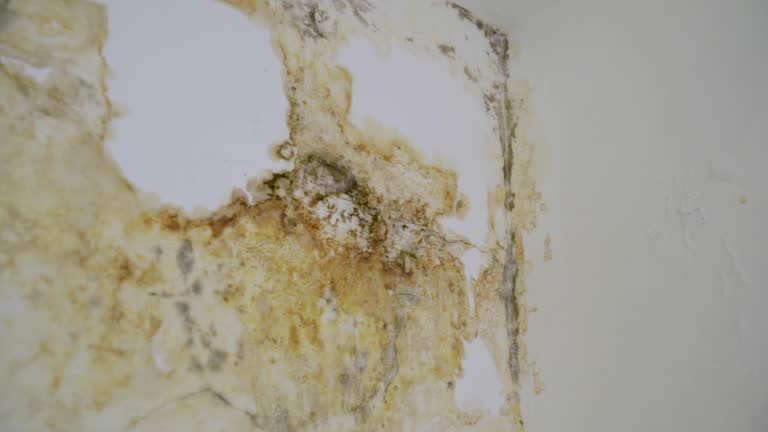
Finding mold in your home can raise an important question: is it safe to sleep there tonight? Living in a house with mold is not equally risky for everyone. The answer depends on the amount of mold, where it is growing, the source of moisture, and whether anyone in the household has respiratory conditions or other sensitivities.
Living in a house with mold may expose you to mold particles and allergens, particularly when growth is present in bedrooms, around air vents, or near damp building materials. Some people may experience no noticeable effects, while others may develop symptoms such as coughing, sneezing, nasal congestion, or eye irritation.
For homeowners in Peoria, IL, mold can become a concern after basement flooding, plumbing leaks, roof damage, or periods of high indoor humidity. Understanding the risks of living in a house with mold can help you decide what to do next and when professional mold remediation may be necessary.
1. Is It Safe to Sleep in a House With Mold?
There is no single answer for every home. A small patch of mold in a damp bathroom presents a different situation from extensive growth inside a bedroom wall or throughout a home affected by flooding. Living in a house with mold is a bigger concern when the growth is widespread or close to where you sleep.
Mold can release spores and other particles into the indoor environment. When people breathe in these particles, some may experience irritation or allergic reactions. People with asthma, mold allergies, chronic lung conditions, or weakened immune systems may face greater risks, as the U.S. Environmental Protection Agency explains in its guidance on mold and moisture in the home.
Before deciding whether to sleep in an affected room, consider these factors:
- Location: Mold on a bedroom wall or near a bed may be more concerning than growth in a separate, unused area.
- Extent: Widespread growth or a strong musty odor may indicate a larger moisture problem.
- Moisture source: An active leak or damp building materials can allow the problem to continue.
- Health concerns: Household members with asthma, allergies, or weakened immune systems may need extra precautions.
If mold covers a large area, appears after flooding or sewage backup, or is accompanied by significant dampness, avoid disturbing it and seek professional advice. If you can stay elsewhere while a serious problem is assessed, that may reduce exposure.
There is no reliable way to determine whether a room is safe based only on the color or appearance of mold. The priority for anyone living in a house with mold is to address the moisture source and assess the extent of the growth.
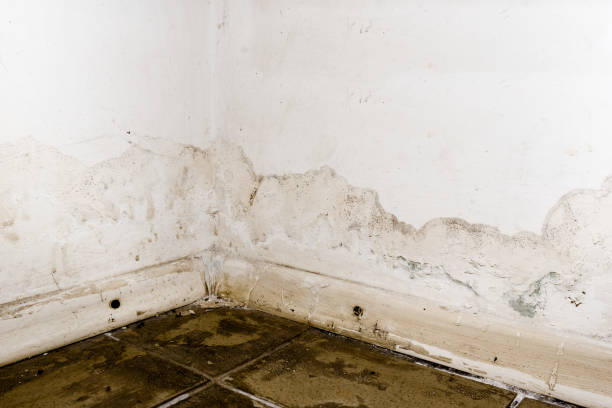
2. What Are the Risks of Living in a House With Mold?
Mold grows when moisture and suitable materials are present. It can develop on drywall, wood, insulation, carpeting, ceiling tiles, and other surfaces after leaks or prolonged dampness.
The main concern with living in a house with mold is that indoor mold and dampness can affect air quality and trigger health symptoms in some people. The effects vary depending on the person, the environment, and the extent of exposure. The Centers for Disease Control and Prevention notes that mold exposure can affect people differently.
Potential concerns include:
- Allergic reactions: Some people experience sneezing, a runny nose, nasal congestion, itchy eyes, or skin irritation.
- Respiratory symptoms: Mold exposure can contribute to coughing, wheezing, or irritation of the nose and throat.
- Asthma symptoms: Damp and moldy environments can trigger asthma symptoms or worsen existing asthma in some people.
- Ongoing discomfort: Repeated exposure in a damp environment may aggravate symptoms in people who are sensitive to mold.
Not everyone exposed to mold will develop symptoms, and these symptoms can have other causes. A healthcare professional can help assess persistent or worsening symptoms.
Living in a house with mold can also mean ongoing damage to the materials it grows on. If left untreated, the affected area may require more extensive cleaning, removal, or repair.
3. Warning Signs of Living in a House With Mold in Your Bedroom
Mold is not always visible. It may grow behind furniture, beneath flooring, around windows, or inside walls where moisture has collected.
If you are concerned about living in a house with mold, pay attention to changes in your bedroom and nearby areas. Signs of moisture can help you identify a problem before it becomes more extensive.
Look for these warning signs:
- Musty odors: A persistent earthy smell may indicate hidden moisture or mold growth.
- Dark or discolored spots: Check walls, ceilings, window frames, baseboards, and areas behind furniture.
- Condensation: Repeated moisture on windows or cold surfaces may indicate a humidity or ventilation problem.
- Peeling paint or bubbling drywall: These changes can point to moisture trapped behind the surface.
- Damp carpets or belongings: Soft materials may retain moisture and develop mold if they do not dry properly.
A musty smell alone does not confirm mold, and visible discoloration may have other causes. However, these signs deserve attention, especially when they occur together.
If you are living in a house with mold and notice a stain spreading across a bedroom ceiling after a roof leak, do not simply paint over it. The underlying moisture source needs to be identified and corrected.
4. Should You Sleep in a Bedroom With Visible Mold?
If you discover visible mold in your bedroom, the safest next step depends on the extent of the problem and your health.
For a small area on a nonporous surface, the situation may be manageable with appropriate precautions. However, extensive growth, recurring mold, damp drywall, or a persistent musty odor may indicate a problem that requires professional assessment. Living in a house with mold in the very room where you sleep deserves extra caution.
Consider these steps:
- Avoid sleeping close to the affected area while you assess the problem.
- Use another room if possible when mold growth is extensive or the bedroom remains damp.
- Keep children and people with asthma or weakened immune systems away from areas with significant mold until the problem is addressed.
- Avoid disturbing the mold, including dry brushing, sanding, or scraping, which can release particles into the air.
- Arrange an assessment if the source or extent of the mold is unclear.
Do not rely on air fresheners, scented sprays, or a coat of paint to make an affected room safe. These approaches do not resolve the underlying moisture problem or remove mold growth.
If anyone in the household develops breathing difficulty, seek urgent medical care. For persistent coughing, wheezing, or other symptoms that concern you, consult a healthcare professional.

5. Can Sleeping Near Mold Make You Sick Overnight?
Mold exposure does not affect everyone in the same way. Some people may notice irritation soon after exposure, while others may have no immediate symptoms. People with allergies or asthma may be more sensitive.
Sleeping in a room with mold does not automatically mean you will become sick overnight. However, living in a house with mold means spending many hours in a damp or moldy bedroom, which can increase your opportunity for exposure.
Watch for symptoms such as:
- Sneezing or nasal congestion that seems worse indoors.
- Itchy, watery, or irritated eyes.
- Coughing or throat irritation.
- Wheezing or worsening asthma symptoms.
- Skin irritation in some sensitive individuals.
These symptoms are not proof that mold is the cause. Dust, pollen, pets, respiratory infections, and other indoor pollutants can produce similar effects.
If symptoms appear repeatedly at home or improve when you spend time elsewhere, tell your healthcare professional about the possible indoor mold exposure. Do not delay medical care for severe symptoms while waiting for a mold inspection.
Regardless of whether symptoms occur, living in a house with mold and ongoing dampness should be addressed. Preventing further growth is important for both indoor conditions and the protection of your property.
6. What to Do if You Find Mold in Your Home
The first priority is to identify and correct the moisture source. Without that step, mold may return even after the affected surface has been cleaned. The EPA also publishes a practical guide to mold cleanup in your home that explains when homeowners can clean small areas themselves.
The right response depends on the material, the size of the affected area, and the source of the water.
Start with these actions:
- Fix the moisture problem: Address plumbing leaks, roof leaks, condensation, or other sources of dampness.
- Keep people away from extensive growth: Avoid disturbing affected materials or allowing children and vulnerable household members into the area.
- Do not mix cleaning products: Mixing bleach with ammonia or other cleaners can create dangerous fumes.
- Avoid covering the mold: Painting or sealing over growth does not resolve the underlying issue.
- Seek professional help when needed: Extensive growth, recurring mold, contaminated water, or mold inside building materials may require professional remediation.
Small patches of mold on suitable hard surfaces may sometimes be cleaned by homeowners using appropriate precautions. Porous materials, such as moldy drywall or insulation, may need removal if the growth has penetrated the material.
If you are living in a house with mold that covers a large area, keeps returning, or appears after significant water damage, a professional assessment can help determine the appropriate response.
7. Why Mold Keeps Returning in Some Homes
Cleaning visible mold does not always solve the problem. If moisture remains trapped inside a wall, beneath flooring, or around a leaking pipe, mold can return, and living in a house with mold becomes a recurring problem rather than a one-time event.
Several conditions can contribute to recurring growth:
- Undetected leaks: Water may continue entering through plumbing, roofs, windows, or foundations.
- High indoor humidity: Excess moisture can condense on cool surfaces and support mold growth.
- Poor ventilation: Bathrooms, laundry rooms, and other damp spaces may struggle to release moisture.
- Incomplete drying: Materials affected by flooding or leaks may remain damp after the surface appears dry.
For homeowners in Peoria, basement moisture can be a particular concern after heavy rainfall or sump pump failure. Roof leaks and plumbing problems can also create damp conditions in bedrooms and other living spaces. If the cause is a leak or flood, professional water damage restoration can dry the structure properly.
If mold repeatedly appears in the same location, look beyond the visible patch. Identifying the source of moisture is often the key to preventing the problem from returning.
8. How Professional Mold Remediation Helps If You’re Living in a House With Mold
Professional mold remediation can be useful when mold affects a large area, grows inside building materials, returns after cleaning, or follows significant water damage. For many families, it is the safest way to end the problem of living in a house with mold.
The goal is not simply to remove visible discoloration. A proper remediation plan addresses the affected materials and the conditions that allowed mold to grow.
Depending on the situation, the process may include:
- Assessing the affected area: Identifying visible growth, moisture sources, and areas that may need further investigation.
- Containing the work area: Using appropriate precautions to reduce the spread of dust and mold particles.
- Removing or cleaning affected materials: Choosing methods based on the materials involved and the extent of the damage.
- Correcting moisture conditions: Addressing leaks, damp materials, or humidity issues that support mold growth.
- Checking the results: Reviewing the affected area and confirming that moisture problems have been addressed.
Not every mold problem requires the same approach, and testing is not always necessary before remediation. A qualified professional can help determine what the situation requires.
At PuroClean of Peoria, our team helps property owners address mold and moisture problems through professional remediation services. If mold may be connected to a leak, flooding, or other water damage, it is important to consider both the visible growth and the underlying moisture issue. You can contact our Peoria team to discuss your situation.
9. How to Prevent Mold and Avoid Living in a House With Mold
Preventing mold starts with controlling moisture, and it is the best way to avoid living in a house with mold in the first place. You cannot remove every mold spore from indoor air, but you can reduce the conditions that allow mold to grow.
Use these habits to help protect your home:
- Repair leaks promptly: Check plumbing, roofs, windows, and appliances for signs of water intrusion.
- Control indoor humidity: Aim for indoor relative humidity below 60%, ideally between 30% and 50%, when practical.
- Ventilate damp rooms: Use bathroom and kitchen exhaust fans when appropriate.
- Dry wet materials quickly: Address leaks and water spills promptly, and arrange professional drying after significant water damage.
- Inspect basements and crawl spaces: Look for musty odors, damp surfaces, condensation, and water entry after storms.
If your basement takes on water after heavy rain, do not assume that removing the standing water is enough. Flooring, drywall, and stored belongings may retain moisture after the visible water is gone.
Routine checks can help you spot small issues before they lead to more extensive damage. If you suspect moisture is hidden inside walls or beneath flooring, professional moisture detection may help identify the affected areas.
Frequently Asked Questions About Living in a House With Mold
1. Is it safe to sleep in a room with a small amount of mold?
The risk depends on the location, extent, moisture conditions, and the health of the people using the room. People with asthma, mold allergies, or weakened immune systems may need extra precautions. Living in a house with mold, even a small patch, is not something to ignore, so address visible mold and the moisture source rather than assuming it is harmless.
2. Should I leave my house if I discover mold?
Not everyone needs to leave a home because mold is present. However, consider staying elsewhere if there is extensive growth, serious water damage, contaminated water, or a strong concern about the affected living area, especially if someone in the household is medically vulnerable. If you are living in a house with mold and are unsure, seek professional advice about the property and medical advice for health concerns.
3. Can living in a house with mold cause coughing or allergies?
Mold and damp indoor environments can trigger allergic symptoms and worsen asthma in some people. Coughing and congestion can also have other causes, so consult a healthcare professional if symptoms persist or worsen.
4. Does a musty smell always mean there is mold?
No. A musty odor can indicate dampness or hidden mold, but it does not confirm the presence of mold on its own. Investigate the source, especially if the smell persists or follows a leak or flooding.
5. Who can help with mold remediation in Peoria, IL?
PuroClean of Peoria provides professional mold remediation and water damage restoration services. If you suspect mold in your home, call (309) 431-4003 to discuss the issue and possible next steps.
Final Thoughts on Living in a House With Mold
Living in a house with mold does not carry the same level of risk for everyone, but visible growth and ongoing moisture should never be ignored. Mold can trigger allergic reactions, irritate the respiratory system, and worsen asthma in some people. The concern may be greater when growth is extensive or located in a bedroom where you spend many hours.
If you are living in a house with mold, avoid disturbing extensive growth, address the moisture source, and consider professional help when the affected area is large, keeps returning, or involves damaged building materials.
For homeowners in Peoria, PuroClean of Peoria can help assess mold and water damage concerns and determine the appropriate restoration steps. Call (309) 431-4003 to discuss your home’s needs.