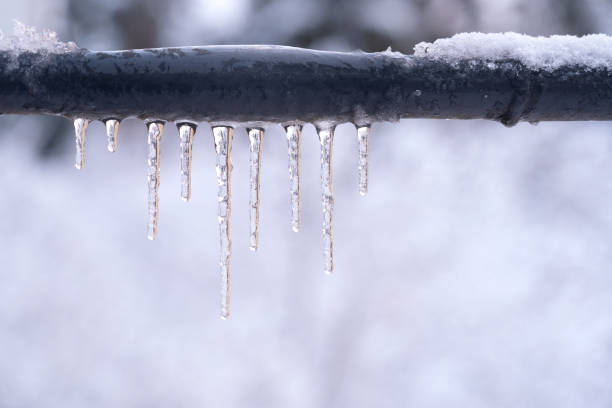
Winter brings plunging temperatures and dangerous sub-zero wind chills. For property owners, extreme cold creates an unseen threat inside household walls. Learning how to prevent frozen pipes is crucial when sudden freezing weather hits. As ice expands, it places tremendous physical pressure on copper, plastic, and steel pipes. Suddenly, a split pipe can dump hundreds of gallons of water into your home.
Many homeowners believe that simply keeping their heat on prevents winter plumbing disasters. Unfortunately, basic interior heating does not always reach unheated spaces where plumbing lines run. Partnering with a certified restoration team gives you total peace of mind. Trained restoration specialists understand how winter weather damages buildings and help homeowners prevent frozen pipes before disaster strikes.
1. Disconnect and Drain Outdoor Garden Hoses
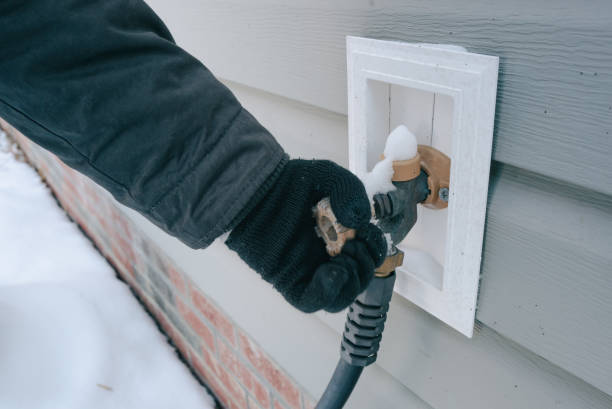
To prevent frozen pipes, disconnecting outdoor garden hoses is your first essential line of defense:
- Disconnect all outdoor garden hoses from exterior hose bibs before freezing weather arrives.
- Drain any water trapped inside hoses and store them inside your garage or shed.
- Trapped water inside attached garden hoses freezes and backs up directly into the sillcock.
- Freezing ice pushes past the exterior faucet and bursts the interior supply line behind drywall.
Once garden hoses are disconnected, winterize exterior spigots properly to prevent frozen pipes:
- Locate the interior shut-off valve that supplies water to your outdoor spigot.
- Close that interior isolation valve tightly.
- Walk outside and open the exterior spigot handle to bleed out remaining water.
- Leave the outdoor faucet open slightly all winter long to allow expansion room.
- Install insulated outdoor faucet covers over each exterior spigot for extra thermal defense.
2. Insulate Vulnerable Lines to Prevent Frozen Pipes
Plumbing lines that run through unheated parts of your home face the greatest freeze risks:
- Inspect your basement, crawl space, attic, and garage for exposed water pipes.
- Check exterior-facing walls where kitchen and bathroom water supply lines run.
- Slip tubular foam pipe insulation sleeves over all exposed hot and cold water lines.
- Ensure foam sleeves fit snugly around pipe joints, elbows, and straight runs.
- Secure the insulation seams with durable duct tape or heavy-duty acrylic tape.
For areas subject to severe sub-zero temperatures, consider adding electrical heat tape:
- Wrap certified thermostatically controlled heat cables along high-risk copper and PEX lines.
- Always follow manufacturer directions when installing electric pipe heating cables.
- Never wrap heat tape over itself, as overlapping wires can create fire hazards.
- Add foam pipe insulation over the heat cable to maximize thermal efficiency.
- Proper insulation is a low-cost upgrade that helps prevent frozen pipes during severe cold snaps.
3. Keep Warm Indoor Air Circulating to Hidden Plumbing
Plumbing runs hidden inside cabinets and utility chases often stay colder than open living areas:
- Open vanity doors beneath bathroom and kitchen sinks during freezing weather events.
- Leaving cabinet doors open allows warm room air to circulate around hidden plumbing lines.
- Move household cleaning supplies and chemicals out of cabinets if young children or pets are present.
- Open interior doors between heated living spaces to promote balanced airflow throughout the house.
- Keep utility closet doors slightly open to prevent stagnant cold spots near laundry pipes.
For homes with water lines located in attached garages:
- Keep garage doors closed tightly as much as possible during cold winter days.
- Avoid leaving garage doors cracked open while warming up vehicles or unloading groceries.
- Cold outdoor drafts rushing into a garage can freeze water lines within minutes.
- Insulate garage walls and vehicle entry doors to keep ambient temperatures above freezing.
Many property owners lower their thermostats overnight or during work hours to save on heating bills. While setback temperatures save modest energy in autumn, deep temperature drops increase pipe freeze risks during winter:
- Maintain a steady temperature setting on your thermostat day and night during hard freezes.
- Never set your household thermostat lower than fifty-five degrees Fahrenheit at any time.
- If you travel during winter holidays, leave your central heating system turned on.
- Ask a trusted neighbor or relative to check on your home daily while you are away.
If your home relies on a zoned heating system:
- Set all heating zones to balanced temperatures to prevent cold interior pockets.
- Never leave unheated rooms completely shut off from the rest of the house.
- Balanced heating across all household zones helps prevent frozen pipes or burst pipes during severe cold snaps.
5. Allow Household Faucets to Drip Slightly
Letting household faucets drip is one of the simplest and most effective preventative measures:
- Identify faucets served by vulnerable plumbing lines running along exterior walls.
- Turn on both the hot and cold handles to produce a steady, slow drip.
- A slow drip as thin as a pencil lead relieves built-up internal line pressure.
- Running water moves continuously through pipes, making it much harder for ice to form.
- Even if an ice dam begins forming, the open faucet prevents catastrophic pressure spikes.
Focus this dripping technique on the most exposed fixtures in your home:
- Keep a basement laundry sink faucet dripping during extreme arctic freeze warnings.
- Drip upper-floor bathroom faucets that sit on exterior-facing walls.
- Catch dripping water in clean buckets to use for watering houseplants or cleaning chores.
- This simple tactic wastes very little water while working effectively to prevent frozen pipes.
6. Seal Exterior Air Leaks Near Plumbing Runs
- Inspect your home’s exterior foundation walls for gaps, cracks, and openings.
- Check areas where electrical wiring, dryer vents, cable lines, and gas pipes enter your home.
- Seal holes around penetrations using expanding foam sealant or exterior-grade silicone caulk.
- Replace damaged or worn weatherstripping along exterior doors and basement windows.
- Repair cracked basement window glass to block freezing outdoor air currents.
Inside your home, address drafts in unconditioned spaces:
- Inspect sill plates and rim joists inside your basement or crawl space.
- Cold drafts flowing over foundation sills chill nearby water lines rapidly.
- Insulate rim joists using rigid foam board insulation and expanding spray foam.
- Closing tiny air leaks helps you maintain a warm thermal boundary and prevent frozen pipes.
7. Locate and Test Your Main Water Shut-Off Valve
When winter weather strikes emergency preparation pairs with smart habits to prevent frozen pipes:
- Find your main water shut-off valve before severe winter weather arrives.
- In homes with basements, look along the front foundation wall near the water meter.
- In slab homes, check inside your utility room, laundry closet, or garage.
- Test the valve handle by turning it slightly to make sure it moves freely.
- Round wheel valves turn clockwise to close, while lever ball valves turn perpendicular to pipes.
Make sure every responsible adult in your home knows where the valve is located:
- Label the main valve clearly with a bright emergency tag or ribbon.
- Keep a specialized water meter curb key handy if your shut-off sits near the street.
- If a pipe ruptures, shutting the main valve immediately saves your floors and drywall.
- Regular maintenance and quick shut-off access help prevent frozen pipes from causing total disaster.
What to Do If You Suspect a Pipe Is Already Frozen
Recognizing an active freeze before the pipe bursts gives you a chance to thaw it safely:
- If you turn on a faucet and only get a slight trickle, a pipe may be frozen.
- Leave the faucet handle open so melting water and steam can escape safely.
- Check visible pipes for signs of frost, ice coatings, or slight bulging.
- Keep your main water shut-off valve clear and ready to close if a leak appears.
Thaw frozen pipes using safe, gentle heat sources:
- Wrap warm, moist towels around the frozen pipe section.
- Use a portable hair dryer on low heat, moving the nozzle back and forth continuously.
- Place a portable electric space heater near the area, keeping flammable items far away.
- Never use open flames, propane torches, or kerosene heaters to thaw frozen pipes.
- Open flames create severe house fire risks and can boil trapped water until the pipe explodes.
If you cannot locate the frozen section or cannot thaw it safely, contact a licensed professional immediately.
Subtle Signs of a Burst Pipe Behind Household Walls
Sometimes pipes rupture inside wall cavities or ceilings without immediate surface flooding. Watch for these subtle warning signs after a winter cold snap:
- Damp drywall, discolored paint patches, or bubbling wallpaper along exterior walls.
- Persistent hissing or running water sounds when all household fixtures are turned off.
- Unexplained drops in water pressure across multiple sinks or showers.
- Damp, musty smells emerging from crawl spaces, basements, or floor cavities.
Protect Your Property When Severe Winter Weather Hits
Winter weather places tremendous physical stress on residential and commercial plumbing systems. The Federal Emergency Management Agency provides official winter weather guidelines to protect properties from freezing temperatures. Taking a few hours to winterize outdoor spigots, insulate vulnerable runs, and maintain indoor warmth will prevent frozen pipes. Simple precautions protect your family from the chaos of winter flooding.
If you experience an unexpected winter plumbing burst, quick action is vital to salvage your property. Avoid waiting for water to dry on its own. For reliable, 24/7 emergency water extraction and structural drying, contact PuroClean of Peoria at (309) 431-4003.
.