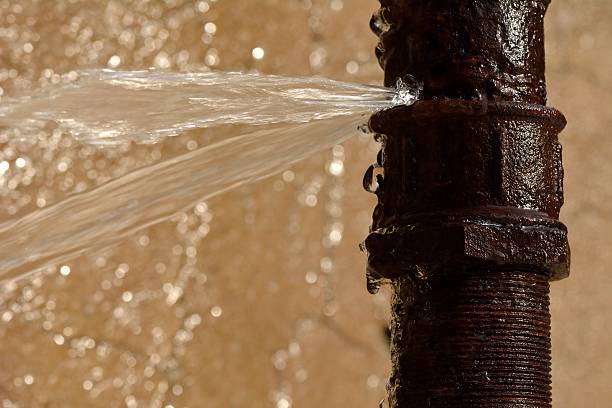
A burst pipe can send water through your Peoria home or business in minutes. What starts as a plumbing emergency can quickly turn into soaked flooring, damaged drywall, wet insulation, and hidden moisture behind walls. Knowing what to expect from water damage restoration after a burst pipe can help you take the right steps before a small plumbing problem becomes a much larger property issue.
Peoria properties can face burst pipe problems for several reasons, including freezing winter temperatures, aging plumbing, failed connections, and unexpected plumbing equipment failures. Whether a pipe breaks in a basement, bathroom, kitchen, utility room, or commercial property, fast action matters.
Professional restoration focuses on more than removing the water you can see. The process involves assessing the damage, extracting standing water, finding hidden moisture, drying affected materials, cleaning the space, and determining what needs to be repaired.
Here are seven things Peoria homeowners and business owners can expect after a burst pipe.
Table of Contents
1. Expect a Safety Assessment Before Cleanup Begins
The first step is making sure the property is safe to enter.
A burst pipe can send water toward electrical outlets, appliances, ceilings, flooring, and other areas that may create additional hazards. Water damage can also weaken certain building materials.
A professional assessment helps identify:
- Standing water near electrical systems
- Sagging ceilings or damaged drywall
- Buckled or unstable flooring
- Water around appliances
- Structural concerns
- Moisture that has traveled into nearby rooms
- Potentially contaminated water
If the pipe burst during a severe Peoria winter, the situation may involve more than the water already inside the property. The failed pipe may need to be addressed to prevent additional water from entering.
If electricity or structural damage is a concern, do not put yourself at risk trying to inspect the area.
Once the property is considered safe, water removal can begin.
2. Expect Standing Water to Be Removed Quickly
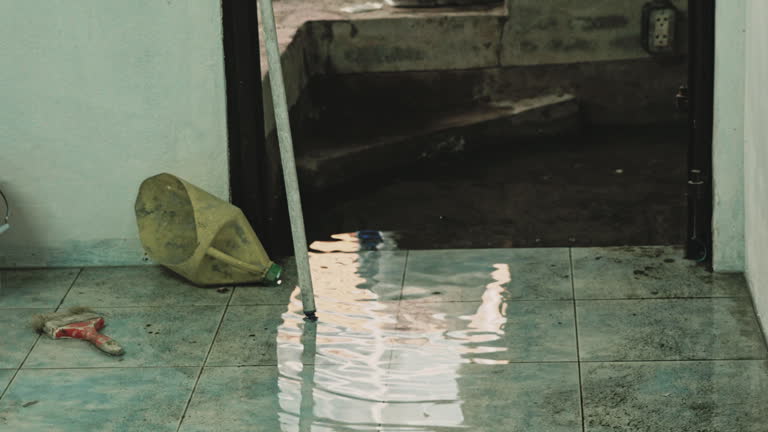
The next priority is removing water from the property.
A burst pipe can release a significant amount of water in a short period. Water can quickly move across floors and soak into carpeting, drywall, cabinets, furniture, and other porous materials.
During water damage restoration after a burst pipe, professionals may use pumps, wet vacuums, and extraction equipment to remove standing water.
The approach depends on the size of the affected area. A broken pipe in a Peoria basement may require a different response than a plumbing failure on the second floor of a home or a burst pipe inside a local business.
Water removal may involve:
- Basement floors
- Carpeting and padding
- Hardwood or other flooring
- Crawlspaces
- Finished living areas
- Commercial spaces
- Low areas where water has collected
Getting visible water out quickly helps limit further saturation. However, the restoration team still needs to determine whether water has moved into areas you cannot see.
3. Expect Hidden Moisture to Be Checked
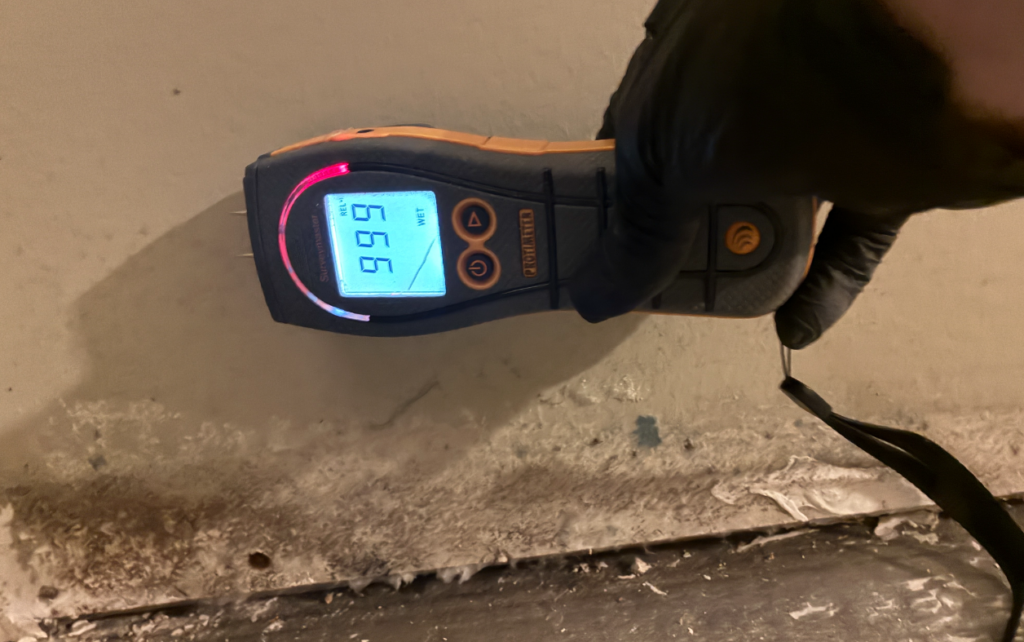
This is one of the most important parts of the process.
Water from a burst pipe does not always stay where you can see it. It can move beneath flooring, inside walls, behind cabinets, under baseboards, and into insulation.
A room may look relatively dry while moisture remains trapped underneath.
During water damage restoration after a burst pipe, professionals may use moisture detection equipment to identify affected areas.
They may check:
- Drywall and wall cavities
- Subfloors
- Flooring
- Baseboards
- Cabinets
- Ceilings
- Insulation
- Carpet padding
- Crawlspaces
This is especially important in multi-level Peoria homes, where water from an upstairs plumbing failure can travel downward and affect rooms below.
Finding hidden moisture helps determine where drying equipment needs to be placed and whether certain materials need further attention.
4. Expect Commercial-Grade Drying Equipment

Once standing water has been removed, affected materials need to dry thoroughly.
Restoration professionals may use air movers and dehumidifiers to increase airflow and remove moisture from the property.
The drying setup depends on several factors, including:
- Amount of water
- Size of the affected area
- Type of building materials
- Length of exposure
- Indoor humidity
- Temperature
- Amount of hidden moisture
Peoria’s seasonal temperature changes can also affect indoor conditions. A burst pipe during a cold winter can create a very different drying environment than a plumbing failure during a humid summer.
Professionals can monitor moisture levels throughout the process instead of relying only on whether a surface feels dry.
That matters because drywall, flooring, and other materials can retain moisture after the visible water is gone.
5. Expect Some Materials to Need Removal
Not every water-damaged material can be restored.
Some materials can be dried successfully, while others may be too damaged to return to their previous condition.
During water damage restoration after a burst pipe, professionals evaluate affected materials based on their condition, the amount of water involved, and how long they remained wet.
Materials that may require removal include:
- Severely damaged drywall
- Saturated insulation
- Heavily damaged carpet padding
- Warped flooring
- Swollen cabinets
- Materials that cannot be adequately dried
- Materials affected by contaminated water
That does not mean everything touched by water needs to be thrown away.
The goal is to determine what can be safely dried or cleaned and what needs to be removed so the property can be properly restored.
6. Expect Cleaning and Damage Documentation
Once the major water has been removed, affected areas and belongings may need cleaning.
The type of water involved is important. A clean supply-line break may present different concerns than water coming from a drain or another potentially contaminated source.
Cleaning may include:
- Removing debris
- Cleaning affected surfaces
- Cleaning salvageable belongings
- Addressing residue left behind by the water
- Evaluating furniture and personal property
- Documenting damaged materials
Documentation can also be important for an insurance claim.
Take photos and videos of the damage when it is safe to do so. Document affected rooms, flooring, walls, ceilings, furniture, appliances, and personal belongings.
If the burst pipe occurred in a Peoria home or business, contact your insurance provider promptly and ask what documentation they require. Coverage depends on the individual policy and circumstances.
7. Expect Repairs After the Water Damage Is Addressed
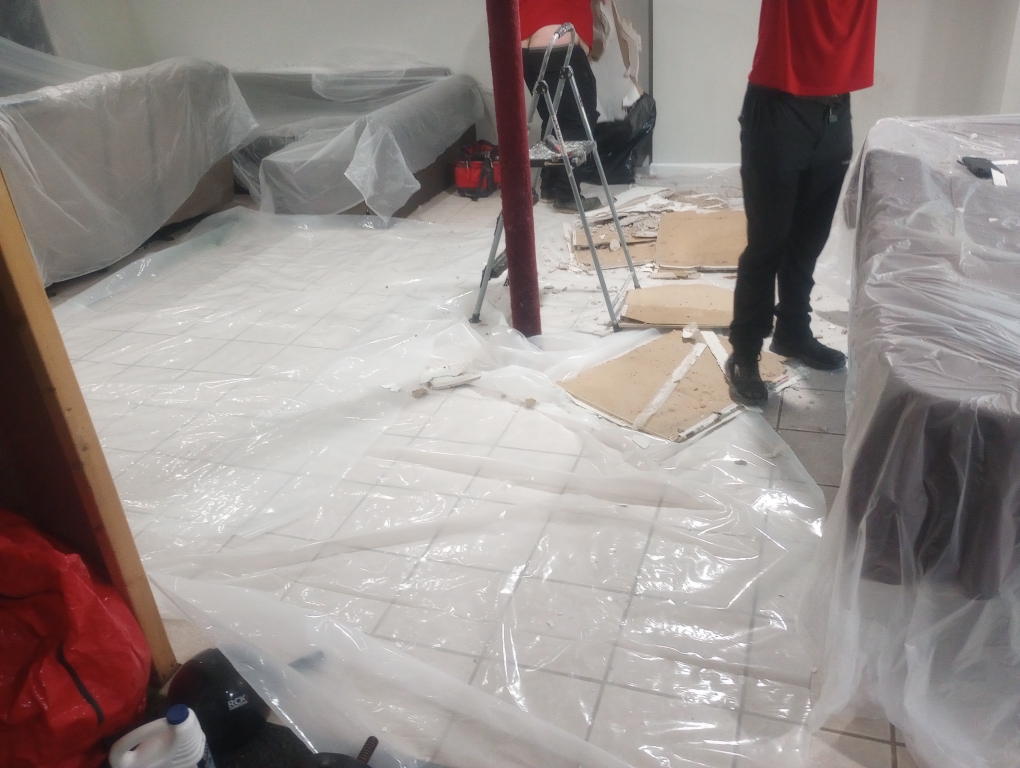
Water removal and drying are major parts of the emergency response, but they may not be the end of the project.
A burst pipe can leave behind damaged drywall, flooring, ceilings, trim, cabinets, insulation, and other building materials.
Depending on the extent of the damage, repairs may include:
- Replacing damaged drywall
- Repairing or replacing flooring
- Replacing insulation
- Repairing ceilings
- Replacing baseboards and trim
- Repairing cabinets
- Painting affected areas
- Rebuilding damaged sections of the property
For a Peoria homeowner, this could mean restoring a basement, bathroom, kitchen, or bedroom. For a local business, it could mean repairing an office, retail area, restaurant, or other commercial space so operations can resume.
That is why water damage restoration after a burst pipe should address both the immediate water problem and the damage left behind.
What Should You Do Immediately After a Burst Pipe?

If a pipe bursts in your Peoria property, your first priority should be stopping the water if you can do so safely.
If you know where the appropriate shutoff valve is, turn off the water supply. Then keep people and pets away from affected areas and avoid electrical equipment around standing water.
You can also:
- Move valuable belongings away from the affected area
- Take photos and videos of the damage
- Contact your insurance company
- Remove small amounts of clean water only if it is safe
- Keep damaged belongings for documentation unless they present a safety hazard
- Avoid walking through potentially contaminated water
Do not use household electrical equipment in standing water, and do not attempt extensive cleanup if electrical or structural hazards are present.
Water Damage Restoration in Peoria: What to Do in the First 24 Hours
Why Burst Pipes Are a Bigger Concern During Peoria Winters
Peoria homeowners know that winter temperatures can put additional stress on plumbing.
When temperatures drop significantly, water inside pipes can freeze and expand. This pressure can contribute to pipe failures, particularly in vulnerable areas.
Pipes located near exterior walls, unheated spaces, crawlspaces, garages, and other cold areas may be more exposed to freezing conditions.
Warning signs can include:
- Little or no water coming from a faucet
- Frost or ice around exposed pipes
- Unusual pipe bulging
- Strange noises when using plumbing
- Damp spots near walls or ceilings
- Unexpected drops in water pressure
A frozen pipe does not always burst while it is frozen. Water may begin flowing again as temperatures rise, revealing a break that occurred earlier.
If you discover a burst pipe after a Peoria cold snap, act quickly. The amount of water released after the pipe opens can determine how extensive the resulting damage becomes.
How Fast Can Burst Pipe Damage Get Worse?
Water damage can spread quickly because porous materials absorb moisture.
Drywall, carpet, insulation, wood, and other materials can continue taking in water after the original pipe has been shut off.
The longer moisture remains, the greater the potential for:
- Swollen materials
- Warped flooring
- Damaged walls
- Persistent dampness
- Musty odors
- Mold growth
- More extensive repairs
This is why prompt water damage restoration after a burst pipe matters.
If you’re already dealing with water from a burst pipe, call PuroClean of Peoria at (309) 431-4003 for a fast response.
Can a Burst Pipe Cause Mold?
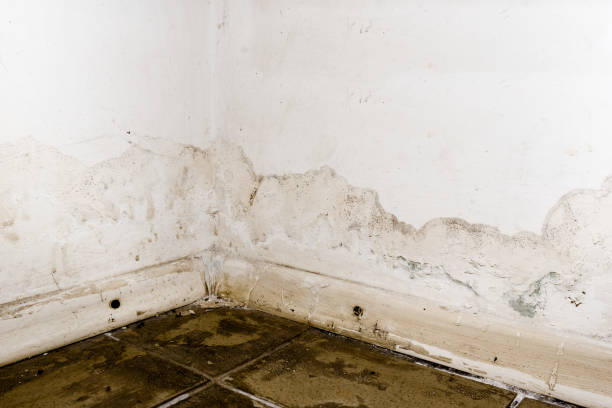
A burst pipe does not automatically mean mold will develop, but excess moisture can create conditions that support mold growth.
The concern is greater when water becomes trapped behind walls, beneath flooring, inside cabinets, or in insulation.
After a burst pipe, watch for:
- Musty odors
- Persistent dampness
- Discoloration
- Visible mold
- Damp drywall
- Flooring that remains wet
- Unusually high indoor humidity
Thorough drying is one of the most important steps for reducing moisture-related problems after a plumbing failure.
If you notice signs of mold after the water damage has been addressed, professional mold inspection and remediation may be appropriate.
You should also read: Mold Warning Signs: 6 Dangerous Signals You Should Never Ignore
When Should You Call a Restoration Professional?
A small plumbing leak that is stopped immediately and leaves only a limited amount of clean water may not require extensive restoration.
A burst pipe that floods a room, affects multiple floors, or sends water into walls is different.
Professional water damage restoration after a burst pipe may be appropriate when:
- A large amount of water has entered the property
- Multiple rooms are affected
- Flooring or carpet is saturated
- Drywall or ceilings are wet
- Water has entered walls or cabinets
- Standing water remains
- You cannot determine how far the water traveled
- The water may be contaminated
- You notice a musty smell
- You are unsure whether the property is completely dry
For Peoria homeowners and businesses, getting the property assessed quickly can help identify damage before hidden moisture becomes a larger problem.
PuroClean of Peoria Can Help After a Burst Pipe
A burst pipe can leave water in places you cannot see, especially when it occurs inside a wall, above a ceiling, or on an upper floor.
PuroClean of Peoria provides professional water damage restoration for homes and businesses throughout the Peoria area.
Our team can assist with:
- Water damage assessment
- Standing water removal
- Moisture detection
- Professional drying
- Cleaning affected areas
- Damage documentation
- Removal of unsalvageable materials
- Restoration and reconstruction needs
Whether a pipe bursts in a Peoria basement during a winter freeze or a plumbing connection fails inside a commercial property, our team is prepared to respond.
When you need help after a burst pipe, call PuroClean of Peoria at (309) 431-4003
Frequently Asked Questions
1. What should I do first when a pipe bursts?
If it is safe, shut off the water supply and keep people away from affected areas. Avoid electrical hazards and contact a professional if significant water damage has occurred.
2. How long does water damage restoration after a burst pipe take?
The timeline depends on the amount of water, affected materials, hidden moisture, and extent of the damage. Some projects may take several days, while more extensive damage can require additional time for drying and repairs.
3. Can water damage from a burst pipe be completely dried?
Many affected materials can be professionally dried when addressed quickly. Severely damaged or contaminated materials may need to be removed and replaced.
4. Should I replace flooring after a burst pipe?
Not necessarily. The decision depends on the type of flooring, amount of water exposure, condition of the material, and whether it can be properly dried and restored.
5. Can a burst pipe cause mold?
A burst pipe can introduce enough moisture to create conditions that support mold growth, particularly when water becomes trapped in walls, flooring, insulation, or other concealed areas. Prompt drying can help reduce the risk.
Final Thoughts
A burst pipe can create serious water damage surprisingly quickly, especially when the water reaches flooring, walls, ceilings, and hidden areas.
Understanding water damage restoration after a burst pipe helps you know what comes next. The process may include safety assessment, water extraction, moisture detection, drying, cleaning, material removal, documentation, and repairs.
For Peoria homeowners and businesses, fast action is particularly important when winter temperatures contribute to a plumbing failure. Do not assume the problem is resolved just because the pipe has been fixed or the visible water has disappeared.