Smoke does not stay in the room where a fire starts. It moves through hallways, vents, outlets, and wall cavities, then settles on cooler surfaces. If smoke has reached your building, PuroClean of Peoria offers 24/7 fire damage restoration for homes and rental properties.
This guide is written for landlords, property managers, and owners of multi-unit buildings. It covers seven signs of smoke damage in walls that a quick cleaning can miss.
Quick answer: Look for odor that returns on warm days, stains bleeding through paint, and soot near outlets and ceilings. Check units next to and above the fire, not just the burned unit. If the smell or stains come back, the walls need professional cleaning, sealing, or repair.
Why Smoke Damage in Walls Is Easy to Miss
Smoke residue is made of fine particles and oily films. Kitchen fires can leave a film you barely notice but can smell for months.
Paint and drywall are porous, so they can absorb odor. A wall can look clean after a wipe-down and still smell like smoke a week later. Painting too soon can trap the problem underneath.
The American Red Cross gives clear advice for light cleanup. It says to wash walls one small area at a time, working from the floor up. It also warns not to repaint until walls and ceilings are completely dry.
7 Signs of Smoke Damage in Walls
Walk each affected unit and the shared spaces around it. Look and smell for these signs.
1. A Smoke Smell That Keeps Coming Back
The most common sign is an odor that fades, then returns. It often gets stronger on warm or humid days, or when the heat runs. That usually means residue is still in the paint, drywall, or wall cavity.
A returning smell is a strong clue of smoke damage in walls.
2. Yellow or Brown Stains Bleeding Through Paint
Smoke residue can bleed through fresh paint. You may see yellow, tan, or brown blotches weeks after a new coat. This happens most often when walls were painted without a proper odor-blocking primer. It is one of the clearest visual signs of smoke damage in walls.
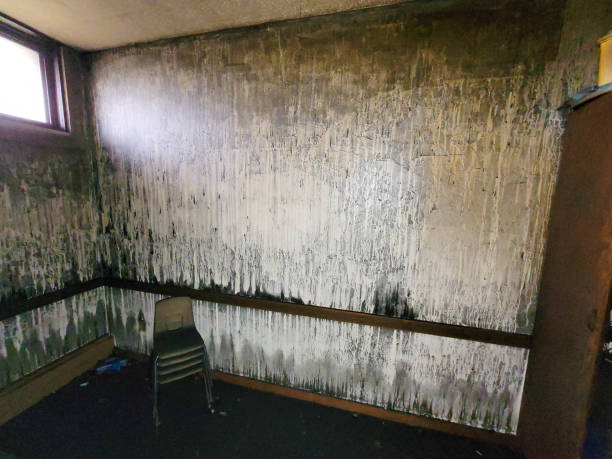
3. A Gray or Black Film on the Wall
Run a clean white cloth lightly across the wall. A gray or black smudge points to soot. Soot can be greasy or powdery, depending on what burned.
Wiping soot the wrong way can smear it deeper into the surface. Test a small hidden area before you clean a full wall.
4. Soot Around Outlets and Switch Plates
Outlets and switches are openings into the wall cavity. Smoke can move through these openings and leave dark rings around the covers. If you find soot here, smoke likely reached inside the wall.
Turn off the power before you remove any cover to look. Call a licensed electrician if you see heat damage or melted parts.
5. Stains Near the Ceiling and Upper Walls
Hot smoke rises and spreads across the ceiling first. Look for a dark band along the top of walls and in corners. Stains above doors and near ceiling vents are common, too. This pattern is a classic sign of smoke damage in walls near the fire.
6. Peeling, Bubbling, or Cracked Paint
Heat can damage paint even where flames never reached. Bubbling, peeling, or cracking paint near the fire area is a warning sign. The drywall underneath may also be weakened. Heat damage can come with deeper smoke damage in walls.
7. Odor or Soot at Vents and Returns
Heating and cooling systems can pull smoke into the ducts. They can then spread odor and soot into other rooms and units. Look for dark streaks around vent covers and return grilles.
Where to Check in a Multi-Unit Building
In a multi-unit building, smoke damage in walls can show up far from the fire. Inspect these areas in a set order, and take photos as you go:
| Area | What to check | Why it matters |
| The fire unit | Walls, ceilings, cabinets, and closets | It usually has the heaviest soot and odor |
| Units next door | Shared walls, outlets, and closets | Smoke can pass through shared wall cavities |
| Units above | Ceilings, vents, and pipe openings | Smoke rises through gaps and chases |
| Hallways and stairwells | Upper walls, doors, and light fixtures | Smoke often spreads through common areas |
| Laundry and storage rooms | Walls, ceilings, and stored items | These rooms are easy to overlook |
| Heating and cooling system | Filters, vents, and returns | Ducts can carry odor to every unit |
Ask tenants in nearby units about odors or stains. Their reports can help you find damage you would not spot on a quick walk-through.
What Light Cleaning Can and Cannot Fix
Light smoke film on washable paint can sometimes be cleaned by hand. The Red Cross suggests mild soap or detergent for soot on walls, furniture, and floors. It also lists a stronger mix of trisodium phosphate, household cleaner or chlorine bleach, and warm water.
- Wear rubber gloves and protect your eyes.
- Wash one small area at a time, working from the floor up.
- Rinse each area with clear water right away.
- Wash ceilings last.
- Let every surface dry completely before painting.
The Red Cross warns that trisodium phosphate is caustic, so read the label first. Never mix cleaning products unless the label says it is safe.
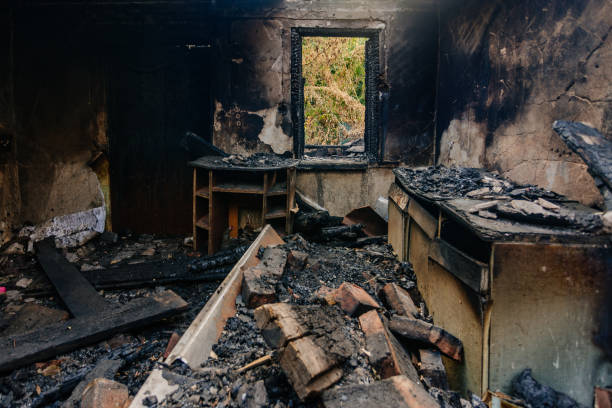
Light cleaning has limits. It may not remove odor that has soaked into drywall or insulation. The Red Cross also says drywall and insulation soaked by fire hose water may need replacing.
Types of Smoke Residue
The kind of residue affects how hard smoke damage in walls is to clean. Here are the common types:
- Dry smoke: Powdery residue from fast, hot fires, often from paper or wood.
- Wet smoke: Sticky, smeary residue from slow fires that burn plastic or rubber.
- Protein residue: A thin, hard-to-see film from kitchen fires with a strong odor.
- Fuel or oil residue: Thick, dark residue from burning petroleum products.
Our guide to types of smoke damage explains each one in more detail.
Before You Re-Rent a Smoke-Damaged Unit
A unit can look ready and still have hidden smoke damage in walls. Tenants who move in may notice the smell within days. That can lead to complaints, early move-outs, and extra repair costs.
Use this checklist before you list the unit:
- Confirm the building is cleared by fire officials and inspectors.
- Document all damage with dated photos and notes.
- Notify your insurance company and keep every receipt.
- Have the walls, ceilings, and heating and cooling system professionally cleaned.
- Seal cleaned walls with a stain- and odor-blocking primer before painting.
- Replace furnace filters and check vents for soot.
- Do a final smell test on a warm day with the windows closed.
Talk with your insurer and attorney about your duties to tenants. Rules for repairs and notices can depend on your lease and local law.
How Professionals Treat Smoke Damage in Walls
A trained team first checks how far the smoke traveled. Then it chooses methods based on the residue and the surface.
- Soot removal with the right sponges, vacuums, and cleaning agents for each residue type.
- Deodorization that neutralizes odor at the source instead of masking it.
- Sealing cleaned walls so leftover odor does not bleed through new paint.
- Duct and vent cleaning to stop smoke odor from spreading through the system.
- Repair or replacement of drywall and insulation that is charred or soaked.
Treating smoke damage in walls early helps limit staining and lingering odor. The longer residue sits, the harder it can be to remove.
PuroClean of Peoria Helps Property Owners Recover
PuroClean of Peoria works with homeowners, landlords, and property managers across the Peoria area. We clean soot, remove smoke odor, and restore units after a fire. Our team documents the damage for your insurance claim. Call (309) 431-4003 any time.
Frequently Asked Questions About Smoke Damage in Walls
Can smoke damage in walls be cleaned?
Often, yes. Light residue on painted walls can be cleaned, while heavy soot or soaked drywall may need replacing.
Why does my wall still smell like smoke after cleaning?
Odor can soak into paint, drywall, and insulation. Surface cleaning may not reach it.
Can I just paint over smoke damage in walls?
Painting alone usually does not stop odor or stains. Walls need cleaning and an odor-blocking primer first.
Is it safe to stay in a house with smoke damage?
Only after officials say the building is safe. Ask a professional to assess lingering soot and odor.
Final Thoughts on Smoke Damage in Walls
The West Marengo Drive fire is a reminder that fire damage does not end when the flames go out. Smoke damage in walls can hide behind fresh paint and spread to nearby units. Check for odor, stains, and soot before the next tenant moves in.
If smoke has damaged your property, call PuroClean of Peoria at (309) 431-4003. We are ready 24/7.