Mold can become a serious business problem when moisture is left unaddressed. A leaking pipe, roof leak, HVAC issue, flooding event, or high indoor humidity can create conditions where mold begins developing in commercial spaces. For businesses, fast action is important because mold can affect the building, inventory, equipment, employees, and day-to-day operations.
Commercial mold remediation in Peoria requires more than wiping visible mold from a wall. Businesses need to identify the moisture source, limit exposure to affected areas, determine the extent of the problem, and begin appropriate remediation as quickly as possible.
The first 72 hours can be especially important for getting control of a developing moisture problem. There is no universal 72-hour deadline that applies to every mold situation, but delaying assessment can allow moisture and contamination problems to become more extensive.
Whether you operate an office, retail store, restaurant, warehouse, apartment building, medical facility, or other commercial property in Peoria, these are the critical steps to take.
Table of Contents
1. First Hours: Stop the Moisture Source
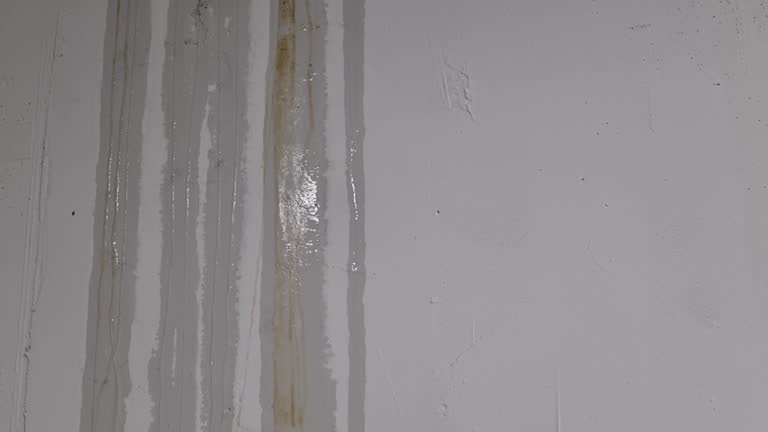
The first priority is figuring out where the moisture is coming from.
Mold needs moisture to grow, so continuing water intrusion can make the problem worse. Cleaning visible mold without stopping the source may only provide a temporary solution.
Potential causes include:
- Burst or leaking pipes
- Roof leaks
- HVAC condensation
- Plumbing failures
- Flooding
- Poor drainage
- High indoor humidity
- Water intrusion around windows or doors
If a pipe has failed, shut off the water supply if it is safe to do so. If a roof is leaking, take reasonable steps to limit additional water entry without putting employees at risk.
For Peoria businesses, seasonal conditions can contribute to different moisture problems. Heavy storms can introduce water through roofs and exterior openings, while humid summer conditions can contribute to condensation and indoor humidity issues.
The faster the moisture source is controlled, the sooner the business can focus on assessing the damage.
2. First 24 Hours: Protect Employees and Customers
Once a potential mold problem is identified, businesses should consider who may be exposed to the affected area.
Do not allow employees or customers to unnecessarily enter areas with visible mold, significant water damage, or ongoing moisture problems.
Depending on the situation, businesses may need to:
- Restrict access to affected rooms
- Move employees away from the damaged area
- Protect customers from entering contaminated spaces
- Avoid disturbing visible mold
- Keep unnecessary traffic away from wet materials
- Follow appropriate workplace safety procedures
The response may look different depending on the type of business.
A small office with mold in one storage room may be able to isolate that area while operations continue. A restaurant, healthcare facility, daycare, or retail property may have more complicated concerns because employees and customers move throughout the building.
When the affected area is uncertain, professional assessment can help determine the appropriate next steps.
3. First 24 Hours: Document the Damage
Before major cleanup begins, document the condition of the property when it is safe to do so.
Take photographs and videos of:
- Visible mold
- Water-damaged walls and ceilings
- Wet flooring
- Damaged inventory
- Affected equipment
- Leaking pipes or other visible sources
- Areas where water has accumulated
Businesses should also record when the problem was discovered and what actions were taken.
This information can help with insurance discussions, property management, contractors, and internal records.
If the property is rented, notify the landlord or property manager as appropriate. Businesses may also need to coordinate with building owners, facility managers, insurance representatives, or other responsible parties.
Good documentation can make it easier to establish what happened and what areas were affected.
4. First 24 to 48 Hours: Identify Hidden Moisture
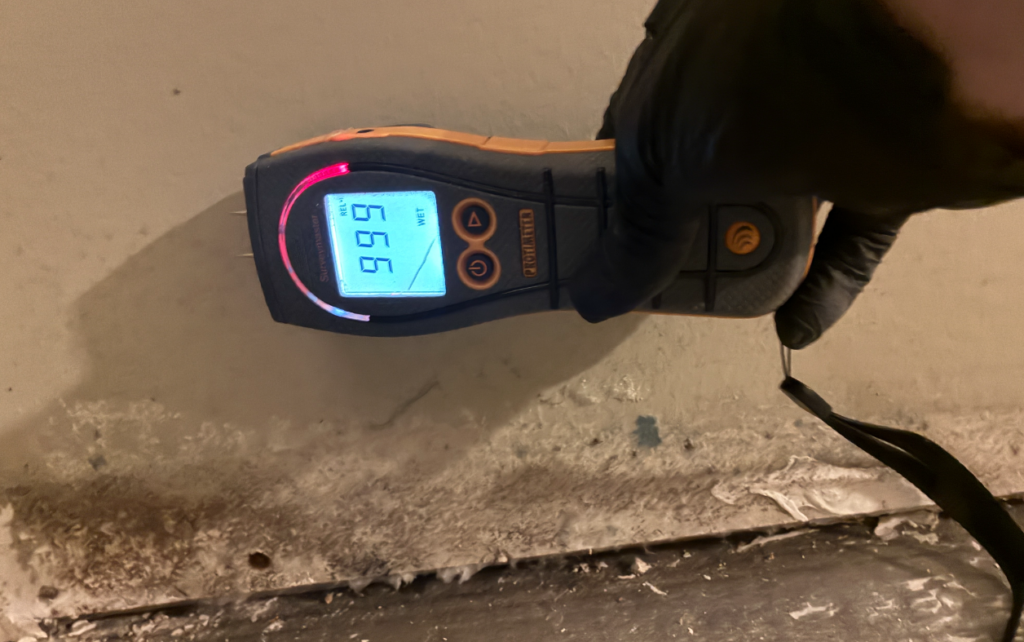
Visible mold may only represent part of the problem.
Moisture can move behind walls, beneath flooring, above ceilings, and into insulation. Commercial buildings can also have concealed spaces where leaks remain unnoticed.
During commercial mold remediation in Peoria, professionals may inspect areas beyond the visible mold to determine whether moisture has spread.
Potential problem areas include:
- Wall cavities
- Suspended ceilings
- Flooring and subfloors
- Insulation
- HVAC areas
- Behind cabinets
- Around plumbing
- Storage areas
- Mechanical rooms
Moisture detection equipment can help identify wet materials that may not appear damaged from the outside.
This matters because a business could clean visible mold while leaving the moisture problem untouched behind a wall or ceiling.
Water Damage Restoration in Peoria: What to Do in the First 24 Hours
5. The First 48 Hours: Avoid Spreading the Problem
Mold can spread when contaminated materials are disturbed.
Businesses should avoid aggressively scrubbing, cutting, or removing mold-affected materials without understanding the extent of the problem.
Activities such as tearing out drywall or pulling up flooring can disturb affected materials and potentially spread particles beyond the original area.
Instead, businesses should focus on limiting access and getting the affected area professionally evaluated when the problem is significant.
This is particularly important for larger commercial properties where air movement from HVAC systems can potentially move contaminants beyond the original location.
A controlled response can help keep the affected area from becoming a much larger business disruption.
6. Within 48 Hours: Begin Professional Drying When Water Is Involved

Mold problems often begin with a water problem.
If the mold was discovered after a leak, flooding event, or other water intrusion, drying affected materials should become a priority.
Professional drying may involve:
- Air movers
- Dehumidifiers
- Moisture monitoring
- Water extraction
- Targeted drying of affected materials
The exact equipment and process depend on the property and the extent of the moisture.
For example, a commercial building in Peoria may have moisture beneath flooring after a plumbing failure, while a warehouse could have water affecting stored materials and building components.
The objective is to remove excess moisture and identify materials that cannot be adequately dried or restored.
7. By 72 Hours: Determine What Needs to Be Removed
Once the affected area has been assessed, the next question is whether materials can be cleaned and restored or need to be removed.
Some materials may be salvageable with appropriate cleaning. Others may have absorbed significant moisture or developed extensive mold growth.
Potentially affected materials can include:
- Drywall
- Insulation
- Carpet
- Carpet padding
- Ceiling materials
- Wood products
- Certain furnishings
- Damaged building materials
Material removal should be approached carefully.
Removing everything is not necessarily the goal. The objective is to remove materials that cannot be safely restored while preserving components that can be cleaned and returned to service.
For businesses, this can help control unnecessary costs while addressing the areas that genuinely require remediation.
8. Keep Business Operations in Mind
Mold remediation is not just a property issue for a commercial building.
It can affect employees, customers, inventory, equipment, schedules, and revenue.
A business should determine which areas need to remain operational and which can be temporarily closed.
Depending on the property, this might mean:
- Moving employees to another area
- Relocating inventory
- Temporarily closing an affected department
- Protecting equipment
- Adjusting customer access
- Coordinating repairs outside normal business hours
- Creating a temporary operating plan
For a Peoria business, minimizing downtime can be especially important when the affected space is customer-facing or contains essential equipment.
Professional remediation planning can help businesses understand what areas are affected and what work needs to happen before normal operations can resume.
9. Coordinate With Insurance and Property Management
Commercial mold problems can involve multiple parties.
Depending on the property, businesses may need to coordinate with:
- Insurance providers
- Property owners
- Property managers
- Maintenance teams
- Plumbers
- HVAC contractors
- Restoration professionals
Businesses should notify the appropriate parties promptly and keep records of the response.
Insurance coverage varies by policy and circumstances, so businesses should not assume mold remediation is automatically covered or excluded.
Keep documentation of:
- The date the issue was discovered
- Photos and videos
- The suspected moisture source
- Damaged materials
- Professional inspections
- Restoration work
- Repair estimates
- Communications with insurers or property managers
Organized records can make the process easier to manage.
10. Why the First 72 Hours Matter
The first 72 hours are not a universal mold-remediation deadline.
Instead, this period should be viewed as an opportunity to respond before a moisture problem has more time to develop into a larger property issue.
Fast action can help businesses:
- Stop ongoing moisture
- Identify affected areas
- Limit access to the problem
- Protect inventory and equipment
- Begin drying
- Determine what materials are affected
- Reduce unnecessary disruption
Waiting does not necessarily make mold remediation easier.
A small moisture issue can become more complicated when water remains trapped inside building materials or when mold spreads into additional areas.
If your business is already dealing with a mold or moisture problem, call PuroClean of Peoria at (309) 431-4003 for professional assistance.
Common Commercial Mold Problems in Peoria

Peoria businesses can experience mold problems for many different reasons.
Some common scenarios include:
Roof Leaks After Severe Weather
Storms can damage roofing materials or create openings that allow water into ceilings and wall systems.
Plumbing Failures
A leaking or burst pipe can release enough water to affect walls, flooring, storage areas, and equipment.
HVAC Moisture
Condensation and HVAC-related leaks can create persistent damp areas, particularly when moisture goes unnoticed.
Basement and Foundation Moisture
Commercial buildings with lower levels can experience moisture intrusion, especially during periods of heavy rain.
High Indoor Humidity
Poor ventilation or excessive humidity can contribute to condensation and moisture accumulation.
Understanding the source is essential because removing mold without correcting the underlying moisture problem can leave the property vulnerable to recurring growth.
What Does Commercial Mold Remediation Involve?
Every commercial mold project is different, but professional remediation may involve several stages.
The process can include:
Assessment: Identifying visible mold, moisture, affected materials, and potential sources.
Containment: Establishing appropriate controls around affected areas.
Moisture control: Stopping leaks and addressing excess moisture.
Material removal: Removing materials that cannot be adequately cleaned or restored.
Cleaning: Cleaning salvageable surfaces using appropriate methods.
Drying: Using professional equipment when water damage or elevated moisture is involved.
Restoration: Repairing affected portions of the building once remediation is complete.
The exact approach depends on the size and condition of the property.
Why Businesses Should Not Ignore a Musty Smell
A musty odor may be one of the first signs that a commercial property has a moisture problem.
You may notice the smell before seeing visible mold.
If the odor is persistent, look for possible moisture sources around:
- HVAC equipment
- Bathrooms
- Kitchens
- Roof penetrations
- Windows
- Basements
- Storage areas
- Plumbing fixtures
Do not simply cover the odor with air fresheners.
A persistent musty smell may be a reason to investigate whether moisture or mold is present somewhere in the building.
PuroClean of Peoria Provides Commercial Mold Remediation
Commercial mold problems require a response that considers both the building and the business operating inside it.
PuroClean of Peoria provides commercial mold remediation in Peoria for businesses dealing with mold, moisture, and related water damage.
Our team can help businesses with:
- Mold and moisture assessment
- Water removal
- Moisture detection
- Drying
- Containment
- Removal of affected materials
- Cleaning
- Water damage restoration
- Reconstruction needs
We understand that businesses cannot always afford extended interruptions.
Our goal is to help identify the problem, address the affected areas, and support the restoration process so you can work toward getting your property back to normal.
If your Peoria business has discovered mold or ongoing moisture, call PuroClean of Peoria at (309) 431-4003
Frequently Asked Questions
1. How quickly should a business respond to mold?
A business should address a suspected mold problem as soon as it is discovered. The first priority is controlling the moisture source and limiting access to affected areas. The 72-hour timeframe is a practical response window, not a universal deadline for every mold situation.
2. Can a business stay open during mold remediation?
Sometimes. It depends on the size and location of the affected area, the type of business, and whether employees or customers could be exposed. Some areas may be isolated while other parts of the building remain operational.
3. What causes mold in commercial buildings?
Common causes include plumbing leaks, roof leaks, flooding, HVAC condensation, high humidity, foundation moisture, and other sources of water intrusion.
4. Does commercial insurance cover mold remediation?
Coverage depends on the specific policy and the circumstances that caused the mold or moisture problem. Businesses should contact their insurance provider to determine what coverage may apply.
5. Can mold return after commercial remediation?
It can if the underlying moisture problem is not corrected. Effective remediation should address both the mold and the conditions that allowed it to develop.
Final Thoughts
Mold can quickly become more than a maintenance issue for a Peoria business. It can affect the building, employees, customers, inventory, equipment, and daily operations.
Taking action during the first 72 hours can help a business gain control of the situation. Stop the moisture source, protect affected areas, document the damage, identify hidden moisture, and get professional help when the problem is extensive.
Most importantly, do not focus only on visible mold. The moisture behind the problem needs attention too.
If your commercial property has mold or water damage, contact PuroClean of Peoria at (309) 431-4003 for professional commercial mold remediation in Peoria.