When water suddenly enters your home, you have two problems to think about: stopping the damage and figuring out how you will pay for the restoration.
For many Peoria homeowners, that leads to an important question: does homeowners insurance cover water damage restoration in Peoria?
The answer is sometimes yes, but it depends heavily on what caused the water damage, what your policy covers, and whether any exclusions or special endorsements apply. A sudden burst pipe may be treated very differently from long-term leakage, poor maintenance, or flooding.
Understanding how insurance typically handles water damage can help you respond quickly, document the loss, and avoid making assumptions about what your policy will or will not cover.
Table of Contents
1. Does Homeowners Insurance Cover Water Damage Restoration in Peoria?

In many situations, homeowners insurance can cover water damage when the damage results from a sudden and accidental event covered by the policy.
For example, the Illinois Department of Insurance notes that standard homeowners policies generally cover some sudden and accidental water damage, such as damage from burst pipes.
Depending on your policy, covered water damage may include situations such as:
- A pipe suddenly bursts inside your home.
- A plumbing system suddenly fails.
- A household appliance unexpectedly releases water.
- A covered roof leak causes interior water damage.
- A sprinkler system accidentally releases water.
- Freezing causes a covered plumbing system to burst.
However, insurance policies are not identical.
Your coverage may have deductibles, limits, exclusions, or endorsements that affect how much the insurer pays.
That is why you should review your specific policy and contact your insurance company before assuming a water damage claim will be covered.
2. What Types of Water Damage Are Usually Covered?

The cause of the water damage is one of the most important factors in determining coverage.
A sudden and accidental water loss is generally more likely to qualify than damage that developed slowly over time.
For example, imagine a supply line suddenly breaks under your kitchen sink while you are away for a few hours. Water spreads across the floor and damages the cabinets and nearby drywall.
Your policy may provide coverage for the resulting damage if the event falls under a covered cause of loss.
Other potentially covered situations can include:
- Sudden plumbing failures.
- Accidental discharge from certain household appliances.
- Certain frozen pipe incidents.
- Sudden water or steam discharge from covered systems.
- Some roof-related water damage.
The Insurance Information Institute lists accidental discharge or overflow of water from plumbing, heating, air conditioning, sprinkler systems, or household appliances among water-related losses that may be covered under applicable homeowners policies.
But remember that “may be covered” does not mean “automatically covered.”
The exact language in your policy controls your claim.
3. What Water Damage Is Usually Not Covered?
Understanding exclusions is just as important as understanding coverage.
Homeowners insurance generally does not cover damage caused by flooding under a standard homeowners policy. Illinois’ Department of Insurance specifically states that flood coverage typically must be purchased separately.
Other common exclusions or limitations can involve:
- Long-term leaks.
- Repeated seepage.
- Poor maintenance.
- Neglected plumbing problems.
- Drainage issues.
- Groundwater.
- Flooding from rising water.
- Certain sewer backup or sump pump losses without additional coverage.
For example, a small pipe leak that has been slowly damaging a wall for months could be treated differently from a pipe that suddenly bursts.
Insurance companies may consider whether the homeowner could reasonably have noticed and addressed an ongoing problem.
The Illinois Department of Insurance notes that standard homeowners policies generally do not cover water damage resulting from maintenance problems, continuous or repeated seepage or leakage, humidity or condensation problems, or landscaping and drainage problems.
4. Does Homeowners Insurance Cover Flood Damage?
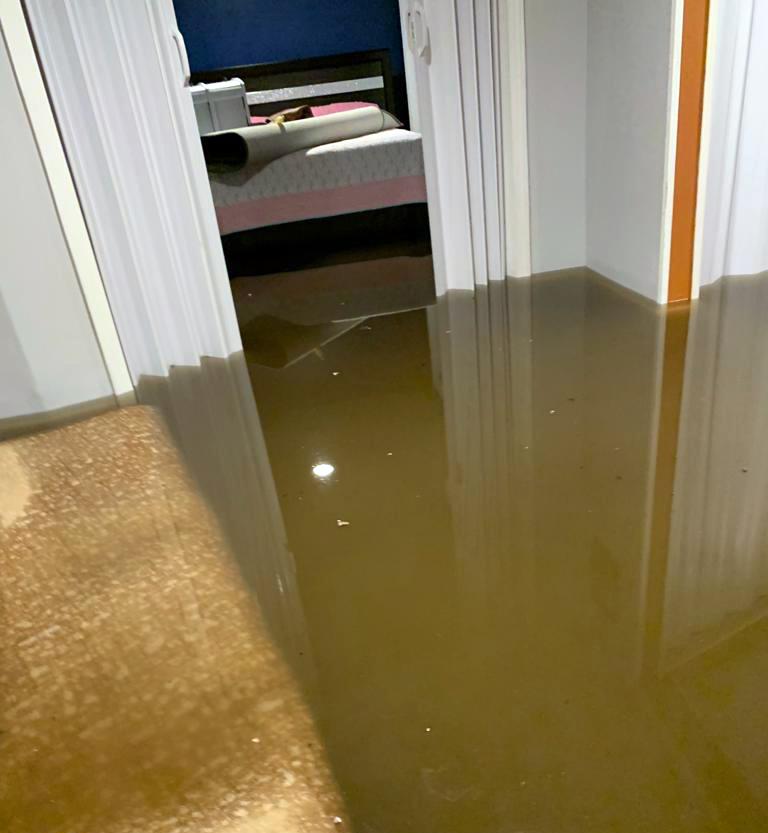
This is one of the most important distinctions Peoria homeowners should understand.
Standard homeowners insurance generally does not cover flood damage.
Flood insurance is typically purchased separately through the National Flood Insurance Program or a private insurer. Illinois’ Department of Insurance recommends homeowners consider flood insurance because flooding can happen even outside traditionally designated flood-prone areas.
Flood damage can involve water that enters your property because of:
- Heavy rainfall.
- Rising water.
- Overflowing waterways.
- Storm-related flooding.
- Surface water runoff.
- Other qualifying flood conditions.
This is different from a pipe suddenly bursting inside your home.
The source of the water matters.
If you are unsure whether a situation qualifies as flooding or another type of covered water loss, contact your insurance company and ask how your policy applies.
5. What About Sewer Backup and Sump Pump Failure?
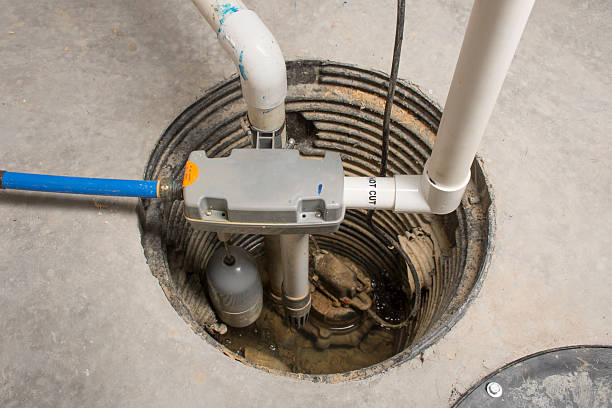
Sewer backups and sump pump failures can create significant water damage, particularly in basements.
However, these losses are not automatically covered by every standard homeowners policy.
Illinois Department of Insurance materials identify sewer backup and sump pump failure as coverage that may require an additional endorsement.
That means you should check whether your policy includes this type of protection before you need it.
If your basement floods because a sump pump stops working, for example, your regular homeowners coverage may not be enough unless you purchased the appropriate additional coverage.
Ask your insurance agent:
- Do I have sewer backup coverage?
- Do I have sump pump overflow coverage?
- What is the coverage limit?
- What deductible applies?
- What types of water damage are excluded?
- Are basement contents covered?
- Are temporary living expenses covered if the home becomes unlivable?
Knowing the answers before an emergency happens can make the claims process much less stressful.
6. Does Insurance Pay for the Actual Water Damage Restoration?
If your water loss is covered, the policy may pay for eligible restoration and repair costs, subject to the policy’s terms, limits, and deductible.
The exact process can vary by insurance company and claim.
Water damage restoration may involve:
- Emergency water extraction.
- Removal of standing water.
- Professional drying.
- Moisture monitoring.
- Removal of unsalvageable materials.
- Cleaning and treatment.
- Repairs to damaged building materials.
The important distinction is between the cause of the loss and the resulting damage.
Your policy may cover the resulting damage from a sudden covered event while excluding the cost of repairing an underlying maintenance problem.
For example, if a pipe suddenly bursts, the resulting water damage may be covered while the replacement of an old, deteriorated component could be handled differently.
Your insurance company can explain how your specific policy applies.
7. What Should You Do Before Filing a Water Damage Claim?

If your Peoria home experiences significant water damage, do not wait several days before taking action.
The Illinois Department of Insurance recommends contacting your insurance company promptly and taking steps to protect your property from additional damage. It also recommends documenting the damage with photographs and keeping receipts related to the loss.
Start with these steps:
Stop the Water Source
If it is safe, shut off the water supply or address the source of the leak.
If you cannot stop it yourself, contact a qualified professional.
Document the Damage
Take photographs and videos of:
- Standing water.
- Damaged flooring.
- Wet drywall.
- Damaged ceilings.
- Furniture and belongings.
- Appliances.
- Visible stains or other damage.
Try to document the property before moving or removing damaged items whenever it is safe to do so.
Prevent Additional Damage
Take reasonable steps to protect your property from additional damage.
However, avoid making major permanent repairs before your insurance company has had an opportunity to inspect the loss when possible. The Illinois Department of Insurance specifically advises homeowners to take reasonable steps to protect their property but not make large structural or permanent repairs before the insurer inspects the damage.
Contact Your Insurance Company
Report the loss as soon as possible.
Even if you are not sure whether the damage is covered, the Illinois Department of Insurance recommends contacting your insurer and reporting the water damage.
You should also read: Water Damage Restoration in Peoria: What to Do in the First 24 Hours
8. Should You Call a Restoration Company Before Your Insurance Adjuster?
In many water damage situations, waiting too long can create additional problems.
Water can continue spreading through porous building materials even after the original leak has stopped. Prompt extraction and drying can help limit secondary damage.
If there is significant water in your home, contact your insurance company as soon as possible while also taking reasonable steps to protect the property.
A professional restoration company can help with emergency water removal and drying while you work through the claim process.
A restoration team may document affected areas, identify moisture, remove standing water, and begin the drying process.
This can be especially important when water has reached:
- Carpet and padding.
- Hardwood flooring.
- Drywall.
- Cabinets.
- Insulation.
- Basement materials.
- Multiple rooms.
If you’re already dealing with water damage, call PuroClean of Peoria at (309) 431-4003 for a fast response.
9. What About Mold After Water Damage?
Mold is another issue homeowners should consider after a water loss.
The Illinois Department of Insurance explains that whether mold damage is covered depends on the cause of the mold and the coverage provided by the policy. Some policies exclude or limit mold-related claims, while others may provide limited coverage or additional protection through an endorsement.
That means you should not assume mold removal will automatically be covered just because the original water damage was covered.
The source of the moisture matters.
For example, mold resulting from a covered sudden water loss may be treated differently from mold caused by long-term moisture, condensation, or an ongoing maintenance problem.
If you notice a musty odor or visible mold after water damage, address the moisture problem promptly.
The longer moisture remains, the greater the potential for secondary damage.
10. How to Make the Water Damage Insurance Claims Process Easier
A little preparation can make a major difference when filing a claim.
Start by keeping good records from the moment the damage occurs.
Helpful documentation includes:
- Photos and videos of the affected areas.
- A list of damaged belongings.
- Receipts for emergency expenses.
- Restoration invoices.
- Repair estimates.
- Your insurance claim number.
- Communications with your insurer.
- Notes about when and how the water damage occurred.
Keep copies of everything.
The Illinois Department of Insurance also recommends maintaining an inventory of personal property and keeping important insurance documents somewhere secure and accessible.
Do not throw away damaged belongings before your insurance company has had an opportunity to inspect them unless they pose an immediate safety or sanitation concern.
If an item must be discarded, photograph it and document what happened.
11. What If Your Insurance Claim Is Denied?
A denied claim does not necessarily mean you should stop asking questions.
First, review the explanation from your insurance company and identify the specific reason for the denial.
You can then review your policy language and discuss the decision with your insurance agent or insurer.
Ask:
- What specific exclusion applies?
- What section of my policy explains the denial?
- Was an endorsement involved?
- Is there additional coverage that applies?
- What documentation is needed?
- Can the claim be reviewed again?
If you believe your claim was handled incorrectly or you have questions about your rights, the Illinois Department of Insurance provides consumer assistance and complaint resources.
Avoid assuming that a contractor or restoration company can determine your insurance coverage for you. Your insurer and policy documents determine what is covered.
Why Professional Water Damage Restoration Still Matters

Insurance coverage and water damage restoration are two separate parts of the same emergency.
Your insurance policy determines whether eligible losses are covered. A restoration professional focuses on helping stabilize, dry, clean, and restore the affected property.
At PuroClean of Peoria, our team helps homeowners respond when unexpected water damage affects their property.
Professional restoration can involve water extraction, moisture detection, structural drying, and monitoring to help identify areas that may not be visibly wet.
That matters because getting rid of visible water does not necessarily mean the property is completely dry.
Whether your water damage came from a burst pipe, appliance failure, storm-related issue, or another source, fast action can help reduce the chance of additional damage.
Call PuroClean of Peoria at (309) 431-4003 when you need professional water damage restoration assistance.
Frequently Asked Questions
1. Does homeowners insurance cover water damage restoration in Peoria?
It can, depending on the cause of the water damage and the terms of your policy. Sudden and accidental water damage may be covered, while flooding, long-term leaks, maintenance problems, and other excluded causes may not be.
2. Does homeowners insurance cover water damage from a burst pipe?
A sudden burst pipe may be covered under many homeowners policies. However, coverage depends on the specific policy, circumstances of the loss, deductible, and any applicable exclusions.
3. Does homeowners insurance cover flood damage in Peoria, IL?
Standard homeowners insurance generally does not cover flood damage. Flood insurance is typically purchased separately through the NFIP or a private insurer.
4. Does homeowners insurance cover mold after water damage?
It depends on the policy and the cause of the mold. Some policies provide limited mold coverage, while others exclude or restrict it. Illinois insurance guidance recommends reviewing your policy and endorsements to understand your coverage.
5. Should I call my insurance company after water damage?
Yes. The Illinois Department of Insurance recommends contacting your insurance company promptly after water damage, even if you are unsure whether the loss is covered. You should also document the damage and take reasonable steps to prevent further loss.
Final Thoughts
So, does homeowners insurance cover water damage restoration in Peoria?
Sometimes.
The answer depends on what caused the damage, whether that cause is covered, what exclusions apply, and whether you have additional endorsements such as sewer backup or sump pump coverage.
A sudden burst pipe may be treated very differently from flooding, long-term leakage, condensation, or poor maintenance.
The most important thing is to act quickly. Stop the source if you can do so safely, document the damage, contact your insurance company, and take reasonable steps to prevent additional damage.
If your Peoria home has experienced significant water damage, professional restoration can help address the damage while you work through the insurance process.