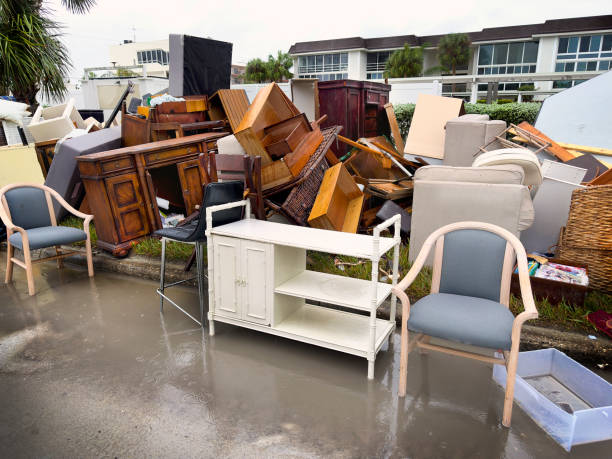
Flooding can turn your daily routine upside down within minutes. From soaked flooring and damaged furniture to hidden moisture inside walls, flood damage restoration becomes urgent the moment water enters your home. At PuroClean of Peoria, we help families in Stanford, IL recover after flooding by providing fast cleanup, drying, restoration, and reconstruction services that restore both safety and peace of mind. This guide explains how flood damage affects homes, what steps families should take immediately, and how professional restoration helps you get back on your feet faster.
Table of Contents
Why Flood Damage Becomes So Serious So Quickly
Floodwater spreads rapidly through homes and absorbs into nearly every porous material it touches. Even small amounts of standing water can create structural damage and mold problems within days if not addressed properly.
Many homeowners in Stanford underestimate how quickly hidden moisture spreads behind walls, beneath flooring, and inside insulation.
What Floodwater Commonly Damages
- Drywall absorbs water quickly and may weaken or collapse after prolonged exposure.
- Flooring materials such as carpet, laminate, and hardwood often trap moisture underneath.
- Furniture and personal belongings may become unsalvageable without immediate drying.
- Electrical systems exposed to water create serious safety concerns.
Why Fast Action Matters
- Mold growth may begin within 24 to 48 hours after flooding.
- Standing water weakens wood framing and structural materials.
- Odors become more difficult to remove the longer moisture remains.
- Delayed cleanup increases restoration costs significantly.
Acting quickly after flooding helps reduce the long-term impact of flood damage.
What Causes Residential Flood Damage in Stanford, IL?
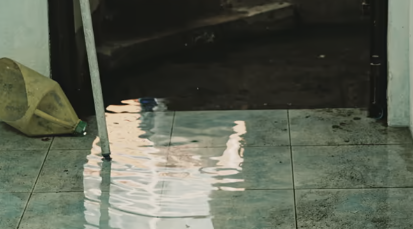
Flood damage can happen for many reasons throughout the year. Severe weather, plumbing failures, and drainage problems are some of the most common causes affecting homes in Central Illinois.
Understanding the source of flooding helps homeowners respond faster and prevent future damage.
Common Causes of Flood Damage
- Heavy rainstorms overwhelm gutters, drainage systems, and sump pumps.
- Burst pipes release large amounts of water into the home unexpectedly.
- Appliance leaks from washing machines or water heaters may flood nearby rooms.
- Sewage backups introduce contaminated water into basements and lower levels.
Seasonal Risks in Illinois
- Spring storms often bring flash flooding and saturated ground conditions.
- Snowmelt during winter can increase basement flooding risks.
- Summer storms may produce sudden heavy rainfall and roof leaks.
- Frozen pipes during cold weather can burst and flood interior spaces.
These conditions make professional flood damage restoration in Stanford essential for homeowners dealing with sudden water intrusion.
What Should Families Do Immediately After Flooding?
The first few hours after a flood are critical for minimizing damage and protecting your home. Quick action helps prevent additional water spread and lowers the risk of mold growth.
Homeowners often ask, “What should I do first after my home floods?” Safety and moisture control should always come first.
Immediate Steps to Take
- Shut off electricity in affected areas if it is safe to do so.
- Move valuables, electronics, and important documents away from standing water.
- Take photos of visible damage for insurance documentation.
- Contact a professional restoration company as soon as possible.
Important Safety Precautions
- Avoid walking through contaminated floodwater without protective gear.
- Keep children and pets away from flooded areas.
- Do not use household vacuums to remove standing water.
- Stay out of rooms with sagging ceilings or structural concerns.
Fast response improves the outcome of flood damage restoration in Stanford and neighboring areas and helps reduce repair costs later.
You can also read Flood Damage Restoration: 4 Critical Things To Do After A Storm
How Professional Flood Damage Restoration Helps Families Recover
Professional restoration involves much more than removing visible water. Hidden moisture often remains trapped inside walls, flooring, and structural materials long after surfaces appear dry.
At PuroClean of Peoria, we use advanced drying equipment and moisture detection tools to restore homes thoroughly and safely.
What Professional Restoration Includes
- Water extraction removes standing water from affected areas quickly.
- Moisture inspections locate hidden water inside walls and flooring.
- Industrial air movers and dehumidifiers accelerate the drying process.
- Sanitization and deodorization help restore safe indoor conditions.
Why Professional Drying Matters
- Proper drying reduces the risk of mold growth.
- Moisture monitoring helps prevent long-term structural damage.
- Professional equipment dries areas household fans cannot reach.
- Thorough restoration improves indoor air quality after flooding.
Many homeowners also require related services such as water damage restoration, mold removal, or reconstruction after severe flooding.
How We Help Families Get Back on Their Feet After Flood Damage
Flooding affects more than just the structure of your home. Families often feel overwhelmed trying to manage cleanup, insurance concerns, damaged belongings, and temporary living arrangements all at once.
At PuroClean of Peoria, we focus on helping families recover as smoothly as possible during stressful situations.
How Our Team Supports Homeowners
- We respond quickly to reduce additional damage after flooding.
- Our technicians explain each step of the restoration process clearly.
- We help document damage for insurance claims when needed.
- Our team works to restore comfort and safety as efficiently as possible.
Why Families Choose Professional Restoration
- Fast cleanup reduces disruption to daily life.
- Proper drying helps prevent recurring moisture problems.
- Professional restoration protects long-term property value.
- Experienced technicians handle difficult cleanup safely and carefully.
If you’re already dealing with flooding or moisture problems, call PuroClean of Peoria at (309) 431-4003 for a fast response.
Can Flood Damage Lead to Mold Growth?
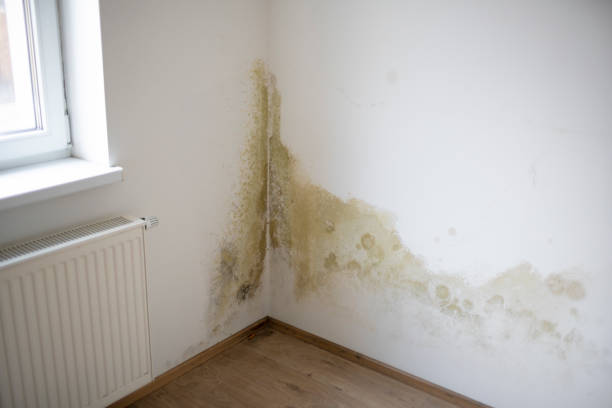
Yes, mold growth is one of the biggest concerns after flooding. Moisture trapped inside building materials creates ideal conditions for mold to develop rapidly.
Many homeowners search, “How long after flooding does mold start growing?” In many situations, mold may begin developing within 24 to 48 hours if materials remain damp.
Areas Most Vulnerable to Mold After Flooding
- Basement drywall and carpeting absorb water quickly.
- Insulation behind walls often traps hidden moisture.
- Wooden subfloors may stay damp beneath finished flooring materials.
- Furniture and fabric items retain moisture and odors.
How Professional Restoration Reduces Mold Risks
- Immediate drying limits moisture exposure time.
- Moisture detection tools identify hidden damp areas.
- Antimicrobial treatments help reduce microbial growth risks.
- Damaged materials may be removed before mold spreads further.
Preventing mold is a critical part of successful restoration project. When we carry out flood damage restoration in Stanford, we ensure to mitigate the spread of mold because hidden moisture can create long-term health and property concerns.
How to Prevent Future Flood Damage in Your Home
While not every flood can be prevented, homeowners can reduce risks by preparing their property before severe weather or plumbing problems occur.
Small maintenance habits often make a major difference during storms or water emergencies.
Flood Prevention Tips for Homeowners
- Clean gutters and downspouts regularly to improve drainage.
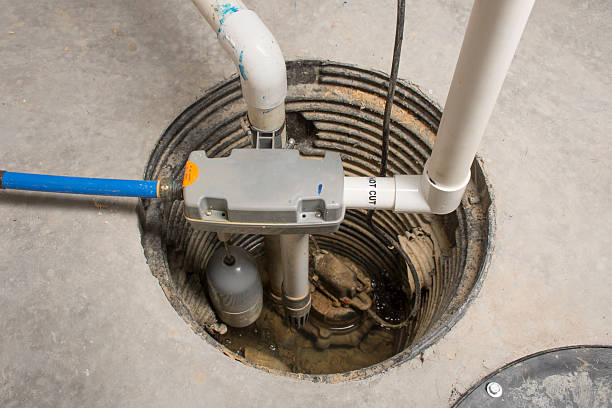
- Inspect sump pumps before storm season begins.
- Seal foundation cracks that allow water into basements.
- Replace aging hoses on washing machines and appliances.
Smart Long-Term Protection Measures
- Install water leak detection devices near appliances.
- Grade landscaping away from the home’s foundation.
- Schedule plumbing inspections for older homes.
- Keep important belongings stored above basement floor level.
Preventative maintenance helps reduce the chances of needing major flood damage restoration in Stanford or anywhere else in Peoria after future storms or water emergencies.
When Should You Call PuroClean of Peoria for Flood Restoration?
Some homeowners wait too long before calling for professional help because the damage initially appears manageable. Unfortunately, hidden moisture often remains long after visible water disappears.
The safest approach is contacting restoration professionals immediately after flooding occurs.
Signs You Need Professional Flood Restoration
- Water has soaked drywall, insulation, or flooring materials.
- Standing water remains inside the property.
- You notice musty odors or signs of mold growth.
- Floodwater may contain sewage or contaminants.
Why Homeowners Trust PuroClean of Peoria
At PuroClean of Peoria, we understand how stressful flooding can feel for families. Our team works quickly to restore homes, reduce damage, and help homeowners move forward after water emergencies.
- We provide rapid emergency response throughout the area.
- Our technicians use professional drying and restoration equipment.
- We handle cleanup, odor removal, and reconstruction services.
- We focus on restoring both safety and peace of mind.
FAQs About Flood Damage Restoration In Stanford
How quickly should flood damage be cleaned up?
Flood damage should be addressed immediately because mold growth and structural damage can begin within 24 to 48 hours after water exposure.
Can floodwater damage my home’s foundation?
Yes, prolonged water exposure can weaken foundations, especially if drainage problems or soil saturation occur around the property.
How long does flood damage restoration take?
The timeline depends on the severity of flooding, the materials affected, and how much drying is required. Some projects take a few days while larger restorations may take longer.
Should I stay in my home during flood restoration?
It depends on the extent of the damage and whether contaminated water, mold, or electrical hazards are present.
Does homeowners insurance cover flood damage?
Coverage varies by policy. Some flood-related losses require separate flood insurance coverage, while sudden plumbing incidents may fall under homeowners insurance.
Final Thoughts – Helping Families Recover After Flood Damage
Flooding creates immediate stress for homeowners, but fast professional restoration can make the recovery process much easier. Quick water removal, proper drying, and thorough restoration help protect your home from mold, structural damage, and long-term moisture problems. Families in Stanford who respond quickly after flooding often avoid much larger repair costs later.
At PuroClean of Peoria, we proudly help homeowners through every stage of flood damage restoration, from emergency cleanup to complete restoration and reconstruction services. Our team is committed to helping families restore comfort, safety, and normalcy after water damage emergencies.