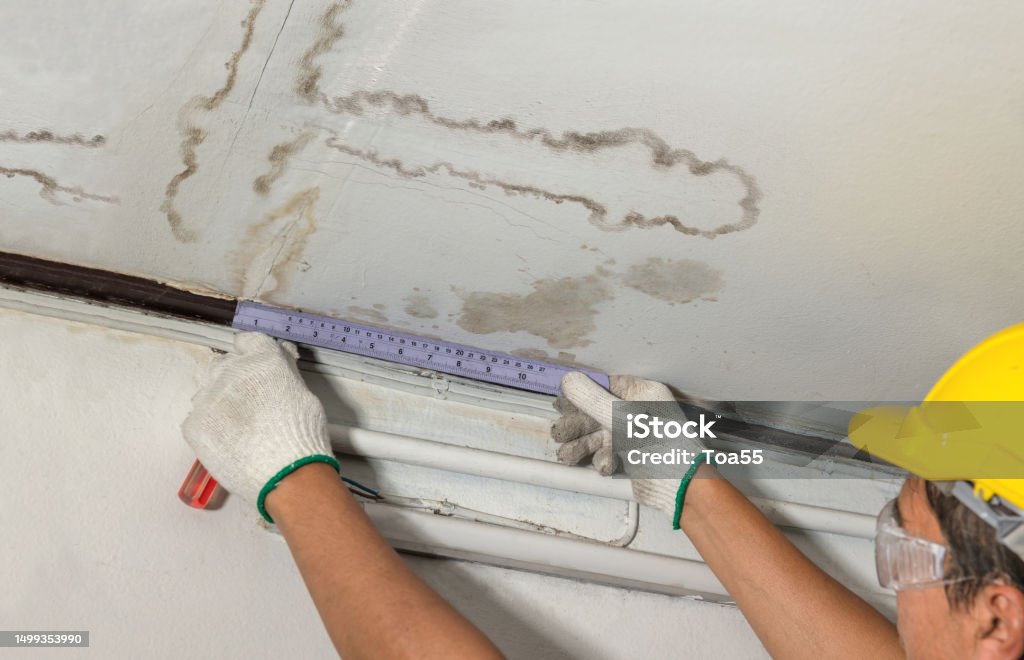

A musty smell in your basement, dark spots on a bathroom wall, or a history of water damage can leave you wondering whether mold is growing somewhere in your home. But how do you know if you need professional mold inspection and testing, or if a visible sign of mold is already enough to take action?
Show Image
Mold can grow wherever moisture and suitable materials are present. It may appear on visible surfaces, but it can also develop behind drywall, beneath flooring, inside cabinets, or in damp crawl spaces. Finding the moisture source and understanding the extent of the problem are often more important than simply confirming that mold exists.
So, is mold inspection and testing worth it? Sometimes, yes. A professional inspection can help identify moisture problems, investigate suspected hidden growth, and guide the next steps. However, mold inspection and testing is not always necessary when mold is already visible and the cause is clear.
At PuroClean of Peoria, we help property owners in Peoria, Normal, and surrounding McLean County communities understand mold and moisture concerns. This guide explains what mold inspection and testing involve, when they may be useful, what they can and cannot tell you, and how to decide what your property needs.
What Is Mold Inspection and Testing?
Mold inspection and testing are related services, but they serve different purposes.
A mold inspection focuses on assessing a property for signs of mold, moisture intrusion, water damage, and conditions that may support mold growth. An inspector may examine visible surfaces, investigate musty odors, check areas affected by leaks, and use moisture meters or other tools to locate damp materials.
Mold testing involves collecting samples to look for mold or mold-related particles. Depending on the situation, sampling may involve indoor air, surface material, or settled dust. A laboratory may then analyze the samples to identify the types of mold present or measure what was collected.
The two services can be combined into one mold inspection and testing visit, but an inspection does not always require testing.
What a Mold Inspection Looks For
During an inspection, a qualified professional may look for:
- Visible mold or suspicious discoloration on building materials.
- Musty odors that suggest hidden moisture or microbial growth.
- Water stains, peeling paint, bubbling drywall, or damaged flooring.
- Leaks around plumbing fixtures, windows, roofs, and appliances.
- Damp basements, crawl spaces, and other areas prone to moisture.
- Condensation on windows, pipes, and cool surfaces.
- Signs of previous flooding or water damage that may not have been fully dried.
The goal is to understand where moisture is entering or collecting and whether conditions suggest a mold problem.
What Mold Testing Can Reveal
Mold testing can provide additional information about the samples collected. For example, air sampling may help assess airborne mold particles in a particular area, while surface sampling may help identify growth on a specific material.
However, a sample only represents the conditions at the location and time it was collected. A negative result does not prove that the entire property is free of mold, and a positive result does not automatically mean the property has a dangerous mold problem.
Mold inspection and testing is most useful when the results will help answer a specific question or guide a decision about the property.
Is Mold Inspection and Testing Worth It?
Mold inspection and testing can be worthwhile when you need information that a visual check alone cannot provide. But it is not always the first or most useful step.
If mold is clearly visible, the affected area is small, and the moisture source is known, testing may not change the recommended response. The priority is usually to correct the moisture problem and address the mold safely.
On the other hand, testing may be useful when mold is suspected but not visible, when a building has a complicated moisture history, or when an independent assessment is needed.
When Mold Inspection and Testing May Be Worth the Cost
Consider professional mold inspection and testing in situations such as these:
You notice a persistent musty smell but cannot find the source. An inspection may help locate damp materials or hidden areas that need further investigation. Testing may be considered if the findings leave important questions unanswered.
You suspect mold behind a wall or beneath flooring. Past leaks, recurring dampness, and unexplained water stains can suggest hidden moisture. Moisture detection and targeted investigation may help determine whether further assessment is needed.
Your property has a history of significant water damage. If a basement flooded, a pipe leaked inside a wall, or a roof leak went unnoticed for some time, mold inspection and testing may help assess whether damp materials remain or mold may have developed. Learn more about our water damage restoration services.
A previous mold problem keeps returning. Recurring growth often points to an unresolved moisture source. Testing may sometimes provide useful additional information, but locating and correcting the moisture problem is essential.
You need documentation for a specific property decision. A buyer, property owner, building manager, or other party may need an independent assessment. Clarify what information is required before ordering mold inspection and testing, because not every test answers every question.
An initial inspection leaves uncertainty. If the visible evidence does not explain an odor, moisture pattern, or suspected area of growth, targeted testing may help clarify the situation.
The key is to decide what you need to learn before paying for mold inspection and testing. A good professional should explain why a particular test is being recommended and how the results could affect the next steps.
When Is Mold Inspection and Testing Usually Not Necessary?
There are also situations where mold inspection and testing may add little value.
If visible mold is present and the source of moisture is clear, you generally do not need a laboratory result to prove that the affected material requires attention. The immediate priorities are to address the moisture source, assess the affected materials, and determine the appropriate cleanup or remediation process.
Testing may also be unnecessary when a small area of surface mold has a clear cause, such as recurring condensation, and the problem can be safely addressed without additional investigation.
The U.S. Environmental Protection Agency notes that, in many situations, sampling for mold is unnecessary. There are no widely accepted federal standards that define safe or unsafe levels of mold in indoor air, which makes it difficult to interpret a single result as a simple pass or fail.
Be cautious if a company insists that extensive mold inspection and testing is required before it can recommend any action, especially when mold is already visible. Ask what the test will establish and whether the result would change the proposed work.
Testing should help you make a better decision, not become an unnecessary step that delays addressing an active moisture problem.
What Happens During a Professional Mold Inspection and Testing Visit?
A professional mold inspection should involve more than a quick look at a discolored wall. The exact process depends on the property, the signs you have noticed, and the history of moisture problems.
1. Discussing the Property’s History
The inspection may begin with questions about previous leaks, flooding, roof damage, plumbing problems, musty odors, or areas where condensation regularly forms.
Tell the inspector when you first noticed the problem, whether it changes with the weather, and whether previous repairs have been completed. These details can help narrow down possible moisture sources.
2. Examining Visible Areas
The inspector may examine walls, ceilings, floors, windows, plumbing areas, basements, crawl spaces, and other locations where moisture may collect.
Visible mold is not always the only concern. Water stains, soft drywall, warped flooring, peeling paint, and damaged trim can all indicate a moisture issue that deserves further investigation.
3. Checking for Moisture
Moisture meters and other appropriate tools can help identify damp materials that may not look wet. Depending on the circumstances, the inspector may also evaluate indoor humidity, temperature, condensation, and ventilation.
These measurements can help determine where additional investigation is needed. A moisture reading alone does not confirm mold, but it can help identify conditions that support its growth.
4. Considering Hidden Areas
If the evidence suggests moisture behind a wall, beneath flooring, or inside another enclosed space, further investigation may be recommended. This could involve checking accessible areas or, when justified, opening part of a building assembly.
The approach should be based on the evidence and should take care to avoid unnecessary damage to the property.
5. Deciding Whether Testing Is Appropriate
After assessing the property, the professional can explain whether mold sampling is likely to provide useful information.
If mold inspection and testing is recommended, ask what type of sample will be collected, which areas will be tested, how the results will be interpreted, and what limitations apply. A clear explanation helps you understand what you are paying for.
6. Reviewing Findings and Next Steps
The inspection should help you understand the suspected moisture source, the areas of concern, and the recommended next steps.
Depending on the findings, those steps may include repairing a leak, improving ventilation, drying affected materials, conducting targeted testing, or arranging professional mold remediation.
Types of Mold Inspection and Testing Methods
Not all mold tests work the same way. The appropriate method depends on the question being investigated and the conditions at the property.
Air Sampling
Air sampling collects airborne particles from a specific location. A laboratory may analyze the sample to identify mold types and estimate the amount of mold material collected.
Air samples may be useful when there is a suspected indoor mold problem but no visible growth, or when an investigation requires a comparison between different areas.
However, airborne mold levels can change with weather, ventilation, indoor activity, and other conditions. A single sample is only a snapshot, and it may not detect growth hidden inside a wall or beneath a floor.
Surface Sampling
Surface sampling collects material from a specific spot, often using a swab, tape lift, or another collection method.
It may help identify the types of mold present on a visible area or determine whether a suspicious substance is consistent with mold. It does not establish the full extent of the problem or explain why the material became damp.
Bulk Sampling
Bulk sampling involves collecting a piece of material, such as a section of building material, for laboratory analysis.
This approach may be considered when identifying material is important to the investigation. However, removing a sample can damage the material, and it may not be necessary when the visible condition already supports a clear course of action.
Dust Sampling
Dust sampling collects settled dust for analysis. Depending on the method, it may provide information about mold-related material that has accumulated over time.
Dust can come from many locations and sources, so the results may be difficult to interpret without a clear question and an understanding of the building’s history. It is not a universal test for whether a home is safe.
No single method of mold inspection and testing can provide a complete picture of every mold concern. The results need to be considered alongside the inspection findings, moisture conditions, and other evidence.
How Much Does Mold Inspection and Testing Cost?
The cost of mold inspection and testing varies based on the size of the property, the number of areas involved, the difficulty of accessing those areas, and the type of testing required.
A basic visual assessment may cost less than an investigation involving multiple samples, laboratory analysis, or access to concealed spaces. Additional work may also be needed if the inspection identifies leaks, water damage, or materials that require further evaluation.
Rather than relying on one advertised price, ask for an explanation of the services included in the estimate.
Before scheduling mold inspection and testing, consider asking:
- Does the price include a visual inspection and moisture assessment?
- Are laboratory tests included, or are they billed separately?
- How many samples will be collected, and from which locations?
- What question is each test intended to answer?
- Will I receive a written report explaining the findings?
- Are follow-up inspections or additional testing likely to cost extra?
- Will the inspection include recommendations for correcting moisture problems?
The cheapest test is not necessarily the most useful one. A test that does not answer your concern may leave you paying for another assessment later.
At the same time, more mold inspection and testing does not automatically mean better results. The best approach is to use the inspection findings to decide what additional information is actually needed.
Can You Do Mold Inspection and Testing Yourself?
Homeowners can purchase mold test kits, but the results often have important limitations.
Some kits collect a sample from a surface or allow particles to settle onto a collection plate. Others involve sending a sample to a laboratory. Depending on the kit, the instructions, and the analysis provided, the results may identify mold growth or the presence of airborne particles without explaining where the moisture came from or how extensive the problem is.
Mold spores are common in indoor and outdoor environments. Finding mold in a sample does not automatically establish that the building has an unusual or harmful level of mold. The Centers for Disease Control and Prevention also offers general guidance on mold and health.
DIY kits also cannot reliably rule out hidden growth throughout an entire property. A sample from one room may not represent a wall cavity, crawl space, or area beneath flooring.
If you see visible mold, have a persistent musty odor, or suspect a hidden leak, start by investigating the moisture problem. Professional mold inspection and testing may be more useful than collecting a sample without a clear plan.
Avoid disturbing a suspected mold area just to obtain a sample, especially if the affected area is large or the material may be contaminated.
What Should You Do After Mold Inspection and Testing Finds Mold?
Finding mold can be concerning, but the appropriate response depends on the extent of growth, the affected materials, and the source of moisture.
The most important step is to address the conditions that allowed the mold to develop. If moisture continues to enter the property or damp materials remain in place, the problem may return even after visible mold has been removed.
Find and Correct the Moisture Source
Look for the underlying issue, which may include a plumbing leak, roof leak, foundation seepage, condensation, or poor ventilation.
Some problems require a plumber, roofer, or other qualified contractor. Mold cleanup alone will not solve an active leak or recurring moisture issue.
Determine the Extent of the Affected Area
Visible mold may be limited to one surface, or it may be part of a larger problem involving hidden materials. The inspection should help determine which areas require attention.
Do not assume that a small visible patch means the problem is limited to that spot, particularly when there has been prolonged water damage or a persistent musty smell.
Decide Whether Professional Remediation Is Needed
Small areas of mold on nonporous surfaces may sometimes be cleaned by a homeowner, provided the person can do so safely and the moisture source is corrected. Porous materials that have become moldy may need to be removed because mold can penetrate them. See the EPA’s guidance on mold cleanup in your home.
Larger areas, recurring growth, contaminated water events, or suspected mold inside walls may require professional remediation. People with asthma, mold allergies, immune suppression, or other relevant health concerns should avoid handling mold cleanup themselves and seek appropriate guidance.
Dry the Area Thoroughly
After cleanup or removal, affected materials need to be dried and the moisture source corrected. Keep indoor humidity under control and address condensation or ventilation problems that could allow the issue to return.
Simply painting over mold or covering a damp surface does not resolve the underlying problem.
Mold Inspection and Testing After Water Damage
Water damage can create conditions that allow mold to grow, especially when wet materials are not dried promptly.
A leaking pipe, flooded basement, storm-damaged roof, or overflowing appliance may leave moisture in places that are difficult to inspect visually. Even after standing water has been removed, damp drywall, insulation, flooring, and wood framing can remain vulnerable.
Mold inspection and testing may be considered when a property has experienced water damage and there are signs of a possible mold problem. However, testing is not automatically required after every leak.
The first priority is to stop the water source and address wet materials. The EPA recommends drying water-damaged materials within 24 to 48 hours when possible to help reduce the risk of mold growth. This is a prevention guideline, not a guarantee that mold will or will not develop.
If the water came from sewage or floodwater, additional precautions may be needed because of possible contamination. Do not assume that ordinary household cleaning or drying is sufficient for contaminated materials.
For Peoria and Normal property owners, early action after a leak or flood can help limit further damage. If you suspect hidden moisture or mold following a water event, a professional assessment can help determine the most appropriate next steps.
How PuroClean of Peoria Can Help With Mold Inspection and Testing Concerns
When you suspect mold in your home or business, it is important to understand the source of the moisture and determine how the affected materials should be handled.
PuroClean of Peoria helps property owners in Peoria, Normal, and surrounding McLean County communities address water damage and mold-related restoration concerns. Depending on the situation, the work may involve identifying moisture problems, assessing affected materials, supporting appropriate drying, and coordinating mold remediation when needed.
The right response depends on the conditions found at your property. In some cases, the most useful first step is to investigate a leak or damp area. In others, visible mold or water-damaged materials may require professional remediation.
Our team can help you understand the restoration process and the steps needed to address the damage. When mold is suspected, it is important not to focus on a test result alone. The condition of the property, the presence of moisture, and the extent of the affected materials all matter.
If you notice persistent musty odors, recurring dampness, water stains, or signs of mold after a leak, do not ignore them. Addressing the problem early may help prevent additional damage and reduce the chance of recurring growth.
For help with water damage or mold-related restoration concerns, contact PuroClean of Peoria or call (309) 433-0900. The team is available 24/7 for restoration emergencies.
FAQs About Mold Inspection and Testing
1. Is mold inspection and testing worth it if I can already see mold?
Not always. If mold is visible and the moisture source is known, mold inspection and testing may not change the recommended response. The priority is usually to correct the moisture problem and address the affected materials. Testing may be useful when there is uncertainty about the source, extent, or nature of the suspected mold.
2. Can mold grow behind walls without being visible?
Yes. Mold can develop on damp materials inside wall cavities, beneath flooring, and in other concealed areas. Persistent musty odors, past leaks, water stains, or unexplained moisture may indicate a hidden problem. A professional inspection can help determine whether further investigation is appropriate.
3. Do home kits for mold inspection and testing work?
Home kits can collect samples, but their results may be difficult to interpret without context. Mold is common in indoor and outdoor environments, and a positive result does not automatically mean a home has a dangerous mold problem. A negative result also cannot rule out mold in other parts of the property.
4. How much does professional mold inspection and testing cost?
Costs depend on the property, the number and type of samples, laboratory fees, and the complexity of the investigation. Ask whether the estimate includes the inspection, moisture assessment, sample collection, laboratory analysis, and written findings. The most appropriate service is the one that answers your specific concern.
5. Should I get mold inspection and testing after a water leak?
It depends on the severity of the leak, how long materials remained wet, and whether you notice signs of mold or persistent moisture. Prompt water removal and drying are important after a leak. If you suspect hidden growth, notice a musty odor, or have recurring moisture problems, a professional assessment may help determine what needs to be done.
Final Thoughts: Make an Informed Decision About Mold Inspection and Testing
Mold inspection and testing can be valuable when they answer a specific question about your property. They may help investigate suspected hidden growth, assess an unclear moisture problem, or provide information needed for a property decision. But testing is not always necessary, and a test result alone cannot tell you whether a building is safe or whether remediation is complete.
Start by paying attention to moisture, investigating leaks, and looking for signs of hidden water damage. If mold is visible, focus on correcting the moisture source and determining the right cleanup approach rather than delaying action to obtain a test result.
If you suspect mold or have experienced water damage in Peoria, Normal, or nearby communities, PuroClean of Peoria can help you understand your restoration options. Call (309) 431-4003 for assistance with mold inspection and testing concerns and water damage restoration.