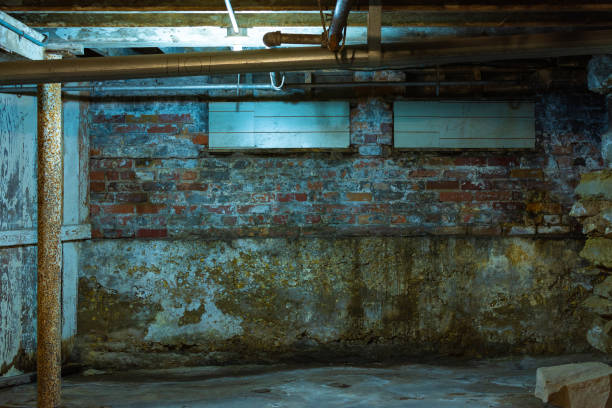
A musty smell in basement spaces is that damp, earthy odor that hits you on the stairs. It often gets stronger in late fall, when windows stay shut and the furnace starts running.
That smell is a sign of moisture, and moisture is what mold needs to grow. Finding the source early can protect stored belongings, drywall, and indoor air. If you find mold or water damage, PuroClean of Peoria offers professional mold removal across the Peoria area.
This guide covers seven common causes of a musty smell in basement areas. It also explains simple tests, fixes, and when to call a professional.
A musty smell usually means too much moisture, and sometimes mold or mildew. Check humidity first and aim for 30 to 50 percent. Look for leaks, damp carpet, and wet cardboard. Dry everything within 24 to 48 hours, and call a pro if mold covers more than about 10 square feet.
What a Musty Smell Usually Means
Basements sit partly underground, so they stay cool and damp. Moisture can seep through concrete walls and floors, especially after rain. When that moisture lingers, mold and mildew can grow and release a musty odor.
The U.S. Environmental Protection Agency recommends keeping indoor humidity below 60 percent, ideally between 30 and 50 percent. It also says materials dried within 24 to 48 hours after a leak usually will not grow mold. That makes speed and humidity control your two best tools.
The Illinois Department of Public Health lists damp basements as a common moisture source. It suggests sealing cracks and sloping soil away from the foundation. It also advises directing downspouts several feet from the house.
7 Common Causes of a Musty Smell in Basement Areas
1. High Humidity With No Visible Water
Many basements smell musty even when the floor looks dry. Damp air alone can feed mildew on walls, wood, and fabrics. Cool basement air holds moisture close to surfaces. A musty smell in basement rooms with no puddles often comes down to humidity.
2. Water Seeping In After Rain
Rain can push water through cracks, wall joints, and gaps where the floor meets the wall. Clogged gutters and short downspouts make it worse. Peoria’s rainy fall weeks often bring a musty smell in basement corners a day or two later.
3. Hidden Mold or Mildew
Mold can grow behind paneling, under carpet, and on the backs of drywall. You may smell it long before you see it. Our guide to white mold in basement areas explains one common type and why it matters.
4. Damp Carpet and Padding
Basement carpet sits on cool concrete, which can trap moisture underneath. The pad soaks it up and holds it. A musty smell in basement carpet often means the pad, not just the surface, is wet.
5. A Dirty or Overloaded Dehumidifier
The IDPH notes that mold can grow in poorly maintained dehumidifiers. A full bucket, a dirty filter, or a unit that is too small can all add to the smell. If you notice a musty smell in basement air even with a dehumidifier running, check the unit first.
6. Stored Cardboard, Books, and Fabrics
Cardboard boxes, old books, and stored clothing absorb moisture from the air. Over time, they can grow mildew and hold odor. Moving items onto shelves and into plastic bins helps a lot. A musty smell in basement storage areas often starts with cardboard.
7. Condensation on Cold Surfaces
In winter, warm indoor air meets cold foundation walls and water pipes. Moisture condenses into droplets, much like a cold glass in summer. That steady dampness can feed mildew in corners and behind stored items.
Quick Tests to Find the Source
A few simple checks can narrow down the cause of a musty smell in basement spaces. Try these:
| Test | How to do it | What it tells you |
| Humidity check | Place a hygrometer in the basement for a day | Readings above 60 percent point to a humidity problem |
| Foil or plastic test | Tape a square of plastic to the wall or floor for 48 hours | Moisture under it means seepage; on top means humid air |
| Rain check | Walk the basement after the next heavy rain | Damp spots show where water gets in |
| Carpet check | Lift a corner of carpet and press the pad | A damp pad means hidden moisture |
| Dehumidifier check | Inspect the bucket, filter, and coils | Dirt or mold means the unit needs cleaning |
Write down what you find. It helps you or a professional fix the right problem. Repeat the tests after any repair.
Musty Smell but No Water or Mold?
A musty smell in basement areas without visible water or mold is still worth checking. Damp air, hidden pad moisture, or growth behind finished walls are common reasons. Dry drain traps can also let in sewer gas, which some people mistake for mustiness.
Pour a gallon of water into floor drains you rarely use. That refills the trap and blocks sewer odors. Repeat it every few months.
How to Get Rid of a Musty Smell in Basement Spaces
Getting rid of the odor means removing the moisture behind it. Follow these steps:
- Fix water sources first, like leaks, gutters, and short downspouts.
- Run a dehumidifier sized for your basement and aim for 30 to 50 percent humidity.
- Dry wet materials within 24 to 48 hours when you can.
- Remove soaked porous items, like carpet pad and cardboard.
- Clean hard surfaces with detergent and water, then dry them.
- Improve airflow by moving items away from walls and onto shelves.
- Maintain your dehumidifier by emptying the bucket and cleaning the filter.
Air fresheners only cover the smell for a while. The odor will return until the moisture is gone. Give your fixes a week, then check again.
After a Flood or Backup
A musty smell in basement spaces after a flood is a warning sign. Water may be trapped under flooring, inside walls, or in insulation. Basements that flooded need fast professional drying.
- Water extraction removes standing water quickly.
- Thermal imaging finds moisture hidden in walls and floors.
- Industrial dehumidifiers dry concrete, framing, and drywall.
- Hospital-grade antimicrobials treat damp areas to help prevent mold.
Seasonal Tips for Peoria Basements
Peoria basements face different moisture problems through the year. A musty smell in basement areas can change with the seasons:
- Fall: Rain and clogged gutters push water toward the foundation.
- Winter: Condensation forms on cold walls and water pipes.
- Spring: Snowmelt and storms raise groundwater levels.
- Summer: Humid air makes dehumidifiers work their hardest.
Check your basement at each change of season. Small fixes now can prevent bigger problems later.
When to Call a Professional
Some basement odors need more than a dehumidifier. Call a professional if you notice any of these:
- Mold covers more than about 10 square feet.
- The smell stays strong after you dry and clean.
- You see stains, warped wood, or soft drywall.
- The basement flooded or had a sewer backup.
- Someone in your home has asthma or allergies.
Professionals use moisture meters, thermal imaging, and containment to find and remove hidden growth safely. They can trace a musty smell in basement walls to its source.
PuroClean of Peoria Can Help
PuroClean of Peoria removes mold and dries water damage in basements across the Peoria area. Our team finds hidden moisture, cleans affected areas, and helps keep mold from coming back. Call (309) 431-4003 to schedule an assessment.
Frequently Asked Questions
Is a musty smell in basement air dangerous?
It means moisture is present, and mold may be growing. Mold can trigger allergies and asthma in some people.
Why does my basement smell musty after rain?
Water is likely seeping through walls or floors. Check gutters, downspouts, and soil slope near the foundation.
Why is there a musty smell in basement rooms with a dehumidifier?
The unit may be too small, dirty, or full. Mold can also be hiding under carpet or behind walls.
Can I get rid of basement odor with bleach?
The EPA does not recommend bleach as a routine mold cleanup step. Fix the moisture, then clean with detergent and water.
What humidity should my basement be?
The EPA recommends 30 to 50 percent, and always below 60 percent. A hygrometer shows your reading at a glance.
Does a musty smell always mean mold?
Not always, but it does mean moisture. Find and fix the moisture before mold has a chance to grow.
Final Thoughts on a Musty Smell in Basement Spaces
A musty smell in basement areas is your home’s early warning about moisture. Check humidity, fix leaks, and dry wet materials quickly. With windows closed for winter, now is a good time to track down the source.
If you find mold or water damage in your basement, call PuroClean of Peoria at (309) 431-4003. We are ready to help.