Mold in your home is more than an unpleasant sight. It can spread across surfaces, develop in hidden areas, and become difficult to manage when moisture problems are left unresolved. Professional residential mold removal focuses on identifying where mold is growing, addressing the moisture behind it, and safely removing affected materials.
For homeowners in Peoria, mold can develop in areas that experience excess humidity, plumbing leaks, basement moisture, roof leaks, or poor ventilation. A musty basement, discolored wall, or persistent dampness may be an early warning that something needs attention.
PuroClean of Peoria uses a professional approach to identify and address mold problems in residential properties. Here are five ways our team can help remove mold from your home.
Table of Contents
1. We Identify Where Mold Is Growing
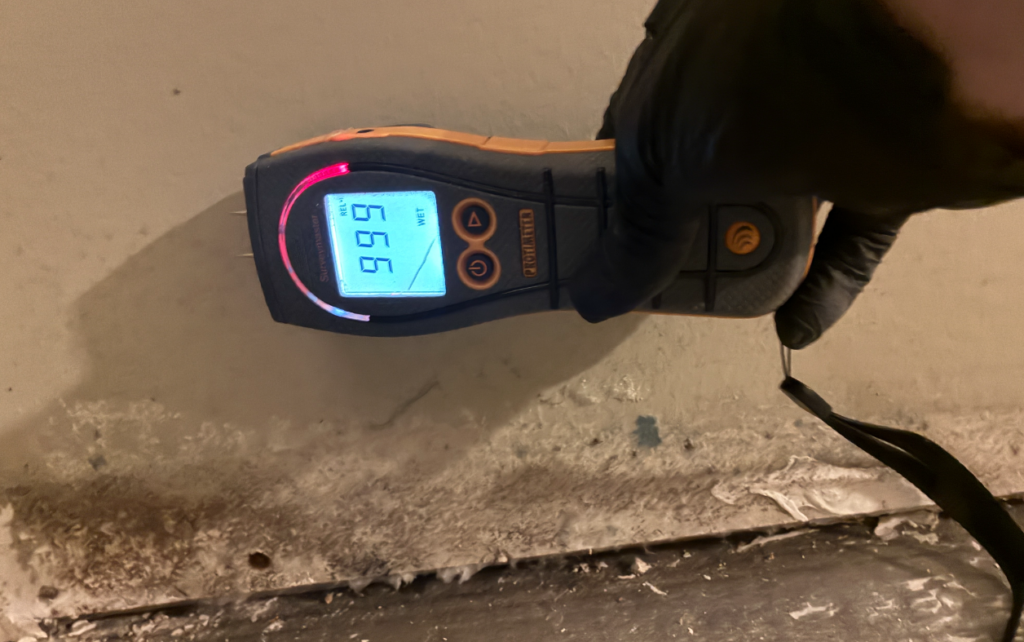
Effective mold removal starts with understanding the extent of the problem.
Mold is not always limited to the area where you first notice it. Moisture can travel behind drywall, beneath flooring, inside cabinets, and into other concealed spaces.
During a residential mold removal project, professionals evaluate visible and potentially affected areas to determine where mold and moisture may be present.
Areas that may require attention include:
- Basements and crawlspaces
- Bathrooms
- Kitchens
- Around plumbing fixtures
- Areas near leaking windows
- Attics
- HVAC-related areas
- Walls and ceilings affected by water damage
This is particularly important in Peoria homes with basements, where humidity and moisture can create conditions that support mold growth.
Finding the source and extent of the problem helps determine the appropriate remediation approach.
You should also read: Water Damage Restoration in Peoria: What to Do in the First 24 Hours
2. We Address the Moisture That Allows Mold to Grow
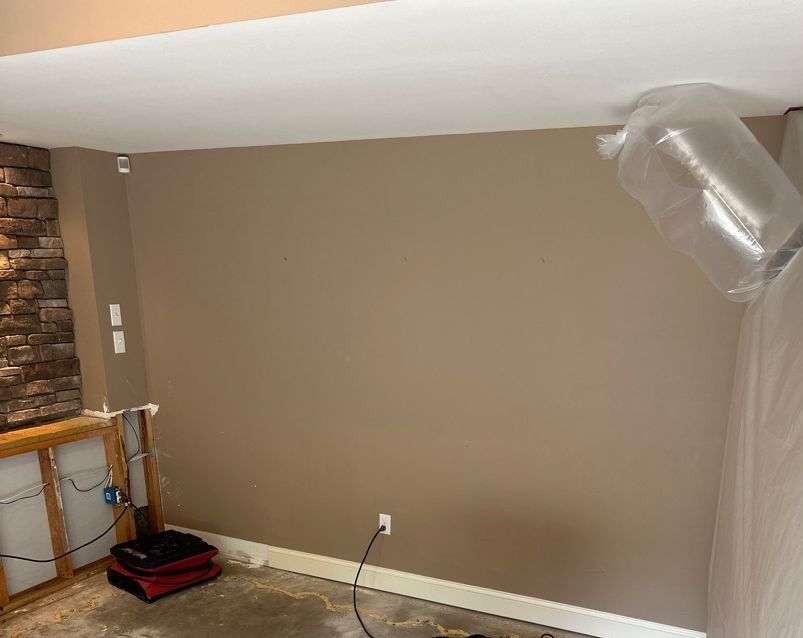
Removing visible mold without addressing the moisture problem can leave the door open for it to return.
Mold needs moisture to grow, so identifying the reason an area became damp is an important part of the process.
Potential moisture sources include:
- Plumbing leaks
- Roof leaks
- Basement seepage
- Condensation
- High indoor humidity
- Poor ventilation
- HVAC moisture
- Previous water damage
For example, a Peoria basement may develop mold after repeated humidity problems, while mold near a bathroom may be connected to inadequate ventilation or a plumbing leak.
Professional residential mold removal should therefore look beyond the visible growth.
Once the moisture source is identified, the appropriate steps can be taken to reduce or eliminate it.
3. We Contain Affected Areas
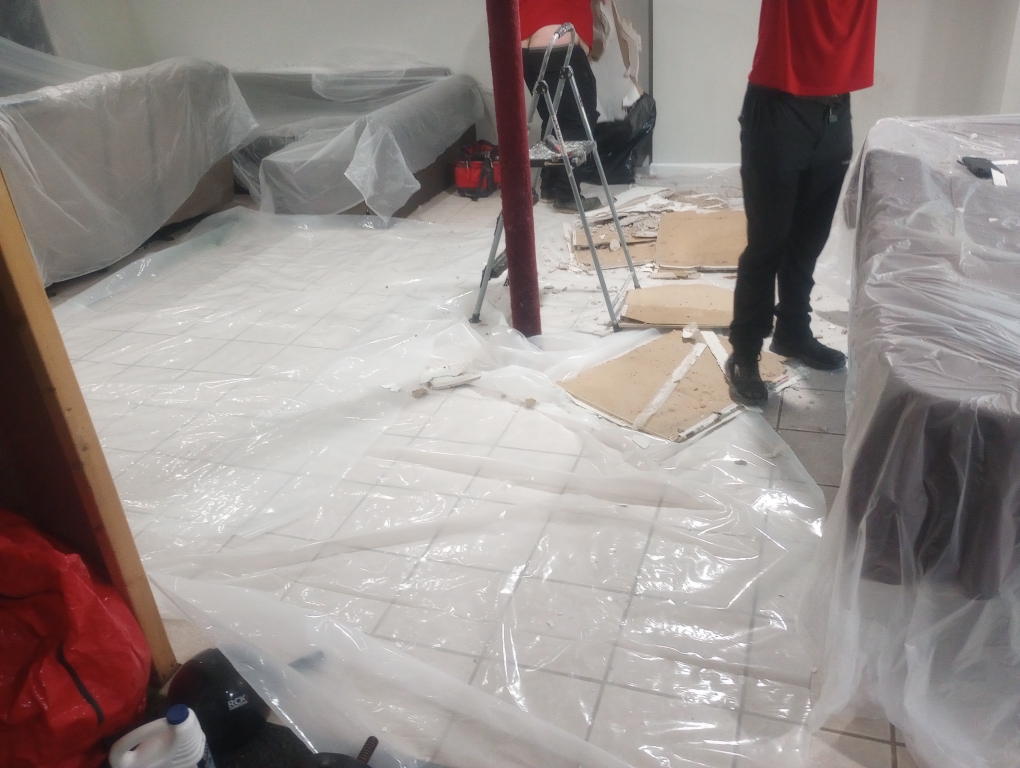
Mold can spread when spores become airborne during disturbance.
For that reason, professional mold remediation may involve containment procedures designed to prevent affected areas from unnecessarily impacting other parts of the home.
Depending on the situation, professionals may establish a controlled work area and use appropriate equipment and protective measures.
Containment can be especially important when:
- Mold covers a larger area
- Mold is located inside walls
- Materials need to be removed
- Extensive cleaning is required
- HVAC or air movement could spread particles
- Multiple areas of the home are affected
The exact containment approach depends on the size and location of the mold problem.
The goal is to keep the remediation work focused on the affected area while limiting unnecessary spread throughout the home.
4. We Remove Mold-Affected Materials and Clean Salvageable Surfaces
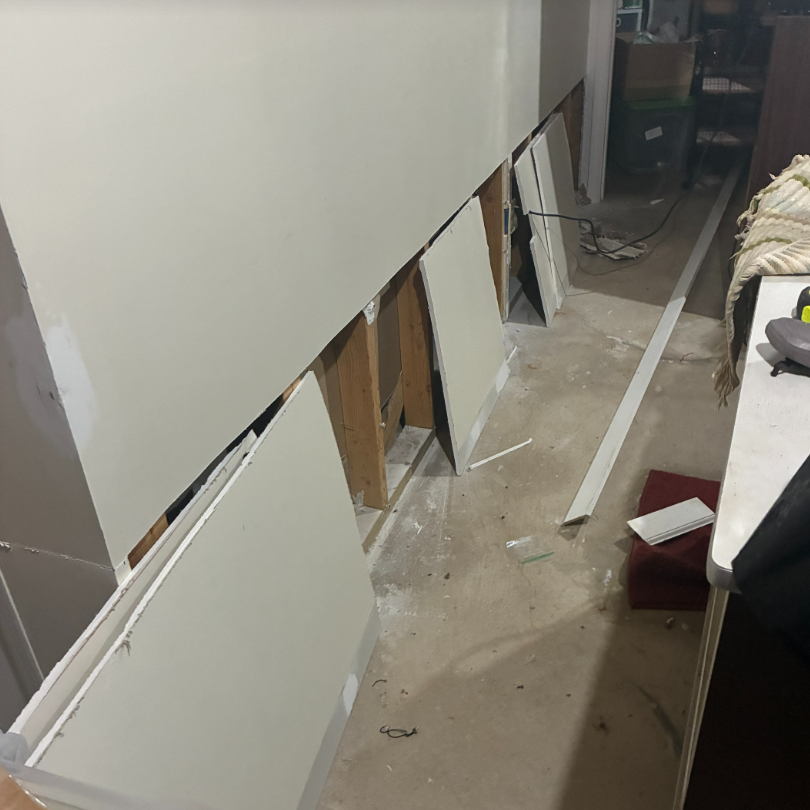
Not every mold-affected material can simply be wiped clean.
Some porous building materials may absorb moisture and support mold growth. Depending on the material and extent of contamination, removal may be necessary.
Potentially affected materials can include:
- Drywall
- Insulation
- Carpet and padding
- Certain types of wood
- Ceiling materials
- Severely damaged cabinets
When materials can be safely cleaned and restored, professionals use appropriate cleaning methods based on the surface and condition.
When materials cannot be adequately restored, controlled removal may be necessary.
This is an important part of residential mold removal because leaving heavily affected materials in place can undermine the rest of the remediation process.
The objective is to remove the affected material while preserving items and building components that can reasonably be restored.
5. We Help Restore the Home After Mold Remediation

Mold removal does not always end when the visible growth is gone.
If drywall, flooring, insulation, cabinets, or other materials had to be removed, the affected areas may require repairs afterward.
Depending on the situation, restoration may include:
- Replacing drywall
- Replacing insulation
- Repairing flooring
- Rebuilding affected areas
- Replacing trim
- Painting
- Addressing water damage
- Improving moisture control
This final stage helps return the affected portion of the home to a usable condition.
For Peoria homeowners, this can be particularly important when mold is connected to an underlying water damage problem. Addressing both the mold and the damage that created the moisture problem can help provide a more complete restoration.
Why Professional Residential Mold Removal Matters
Mold problems can vary significantly from one home to another.
A small patch of surface mold in a bathroom is different from mold caused by prolonged moisture inside a basement wall. The right response depends on the location, extent of growth, moisture source, and materials involved.
Professional residential mold removal can help homeowners determine:
- Where the mold is located
- What caused the moisture
- Which materials are affected
- What can be cleaned
- What may need to be removed
- What repairs are necessary
- How to address the underlying moisture problem
Trying to remove a larger mold problem without understanding what caused it can leave hidden moisture or affected materials behind.
Common Signs Your Peoria Home May Have a Mold Problem
Mold does not always announce itself with obvious visible growth.
Sometimes the first warning is an odor or a change in the condition of a room.
Watch for:
- Musty smells
- Discoloration on walls or ceilings
- Recurring damp spots
- Condensation
- Peeling or bubbling paint
- Warped materials
- Persistent basement humidity
- Mold around windows or plumbing
- Previous water damage
Peoria homes can experience moisture problems throughout the year. Summer humidity can contribute to damp basements, while winter condensation can create moisture around windows and other cold surfaces.
If a musty smell continues even after cleaning, it may be worth investigating where the moisture is coming from.
When Should You Call a Professional?
Not every small spot requires the same level of response.
However, professional evaluation becomes especially important when mold:
- Keeps returning
- Covers a larger area
- Appears after water damage
- Is located inside walls or ceilings
- Is accompanied by a persistent musty odor
- Is connected to ongoing moisture
- Has affected porous building materials
- Appears in multiple areas of the home
A professional can help determine the scope of the problem and whether additional moisture or water damage needs to be addressed.
If you are already seeing signs of mold in your Peoria home, call PuroClean of Peoria at (309) 431-4003 for professional assistance.
PuroClean of Peoria Provides Residential Mold Removal
Mold can make homeowners feel like they need to start tearing apart their property immediately.
That is rarely the best first step.
PuroClean of Peoria approaches residential mold removal by looking at the full problem, including where the mold is growing, why moisture is present, and which materials have been affected.
Our team can help with:
- Mold damage assessment
- Moisture identification
- Containment
- Removal of affected materials
- Cleaning of salvageable surfaces
- Water damage restoration when needed
- Reconstruction of affected areas
Whether mold appears in a basement, bathroom, attic, kitchen, or another part of your Peoria home, identifying the underlying moisture problem is an important part of the process.
Call PuroClean of Peoria at (309) 431-4003 when you need professional residential mold removal.
Frequently Asked Questions
1. What is residential mold removal?
Residential mold removal is the process of addressing mold growth inside a home. Depending on the situation, it may involve identifying moisture sources, containing the affected area, removing damaged materials, cleaning salvageable surfaces, and restoring the property.
2. Can I remove mold myself?
Small surface areas may sometimes be manageable for homeowners, but larger, recurring, hidden, or moisture-related mold problems should be professionally evaluated. The source of the moisture needs to be addressed as part of the solution.
3. What causes mold to grow in Peoria homes?
Common moisture sources include plumbing leaks, roof leaks, basement humidity, condensation, poor ventilation, HVAC moisture, and previous water damage.
4. Does mold always mean I need to replace drywall?
No. The appropriate approach depends on the extent of the mold growth, the condition of the drywall, and whether it can be safely cleaned and restored. Severely affected or damaged materials may require removal.
5. Can mold come back after it is removed?
It can return if the underlying moisture problem remains. Addressing leaks, humidity, condensation, or other moisture sources is an important part of preventing recurring mold problems.
Final Thoughts
Professional residential mold removal is about more than cleaning visible spots from a wall.
The process should address where the mold is growing, what caused the moisture, which materials are affected, and what needs to happen to restore the property.
For Peoria homeowners, moisture can come from many sources, including basement humidity, plumbing leaks, roof problems, condensation, and previous water damage. Identifying the cause can be just as important as removing the visible mold.
If you have noticed mold, persistent musty odors, or recurring moisture in your home, contact PuroClean of Peoria at (309) 431-4003 for professional help.