Water damage can turn a normal day at home into an emergency in a matter of minutes. A burst pipe, overflowing appliance, flooded basement, roof leak, or severe storm can send water into areas that were never designed to handle it.
That is why understanding residential water damage restoration before you actually need it can make a major difference.
Water does not always stay where you first see it. It can move underneath flooring, soak into drywall, collect inside insulation, and travel through walls. Even after the visible water is gone, moisture can remain behind and create additional damage.
For homeowners in Peoria, knowing what to do after water damage can help you respond faster and make better decisions about cleanup and restoration.
Here are six critical things every homeowner should know.
Table of Contents
1. Water Damage Can Come From More Than a Flood

When people think about water damage, they often picture a flooded basement or several inches of standing water.
But residential water damage can start with something much smaller.
Common causes include:
- Burst or leaking pipes.
- Water heater failures.
- Washing machine hose leaks.
- Dishwasher or refrigerator leaks.
- Overflowing toilets or sinks.
- Roof leaks.
- Storm damage.
- Basement water intrusion.
- Sump pump failures.
- HVAC or condensation problems.
A small plumbing leak may not look like an emergency at first.
However, water can continue entering the structure for hours or days before someone notices it.
For example, a slow leak underneath a kitchen sink can damage cabinets, flooring, and nearby drywall without creating a large puddle.
The same is true for a small roof leak.
Water may enter through the roof and travel through insulation or ceiling materials before becoming visible inside the home.
This is why finding the source is one of the first priorities in residential water damage restoration.
If you do not address the source, additional water can continue entering the property even while cleanup is taking place.
2. Acting Quickly Can Help Limit the Damage

When water enters your home, time matters.
The longer moisture remains inside building materials, the more opportunity it has to spread and cause additional problems.
Water can soak into:
- Drywall.
- Wood.
- Carpet.
- Carpet padding.
- Insulation.
- Cabinets.
- Flooring.
- Furniture.
The first step is to stop the source if you can safely do so.
For example, you may be able to shut off your home’s main water supply after a plumbing failure.
However, do not take unnecessary risks.
If standing water is near electrical equipment, outlets, or wiring, stay away from the affected area and seek professional assistance.
Once the source has been controlled, standing water should be removed as soon as possible.
Professional restoration teams use specialized extraction equipment to remove water and begin the drying process.
Fast action does not guarantee that all damage can be prevented, but it can help reduce the amount of time materials remain exposed to moisture.
If you’re already dealing with water damage in your home, call PuroClean of Peoria at (309) 431-4003 for a fast response.
3. Visible Water Is Only Part of the Problem

One of the biggest mistakes homeowners make is assuming that the problem is solved when the visible water disappears.
Unfortunately, a dry-looking room can still contain significant moisture.
Water can hide:
- Under flooring.
- Beneath carpet padding.
- Behind drywall.
- Inside wall cavities.
- Under cabinets.
- Inside insulation.
- Around baseboards.
- Near HVAC equipment.
This is one of the most important reasons professional residential water damage restoration involves moisture detection.
A restoration professional can use specialized equipment to identify areas that may still contain moisture.
That information helps determine where drying equipment should be placed and whether additional materials need attention.
Consider a basement carpet that has been soaked by several inches of water.
You may remove the visible water from the carpet, but the padding underneath could still be saturated.
The same principle applies to drywall.
The outside surface may feel relatively dry while moisture remains inside the material.
Without checking, you may not know the difference.
4. Professional Drying Is More Than Running a Few Fans
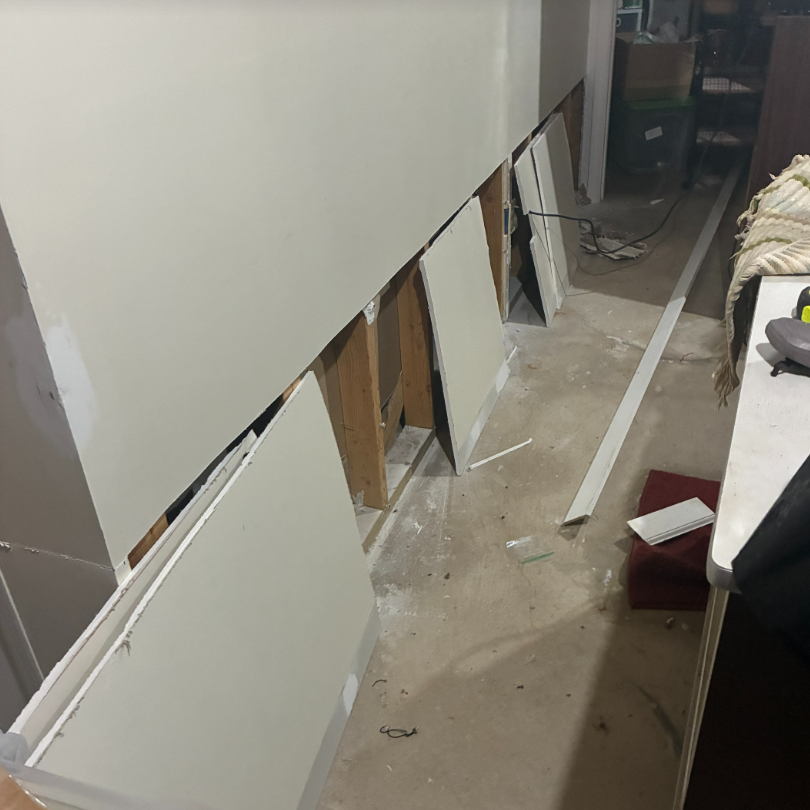
Once water has been extracted, the next major step is drying the property.
This is where residential water damage restoration differs from basic household cleanup.
Household fans can move air, but significant water damage may require professional equipment and controlled drying techniques.
Depending on the situation, restoration professionals may use:
- Commercial air movers.
- Dehumidifiers.
- Moisture meters.
- Water extraction equipment.
- Specialized drying systems.
The goal is to remove moisture from both the affected materials and the surrounding environment.
Technicians can also monitor moisture levels throughout the process.
This matters because different materials dry at different rates.
Carpet may dry before drywall.
A surface may feel dry while moisture remains underneath it.
A basement may look normal while a wall cavity is still holding moisture.
Professional monitoring helps determine when affected materials have reached appropriate drying conditions.
Simply waiting three days or turning off the fans when the floor feels dry does not necessarily mean the property is completely dry.
Water Damage Restoration in Peoria: What to Do in the First 24 Hours
5. Water Damage Can Lead to Secondary Problems

Water damage does not always end when the leak stops.
If moisture remains trapped inside the property, it can contribute to additional problems.
Potential issues include:
- Musty odors.
- Mold growth.
- Damaged drywall.
- Warped flooring.
- Swollen wood.
- Deteriorated insulation.
- Staining.
- Damage to personal belongings.
Mold is one concern homeowners often think about after a water loss.
The U.S. Environmental Protection Agency recommends drying wet or damp materials within 24 to 48 hours when possible to help reduce the potential for mold growth.
That does not mean every water loss will lead to mold.
It means moisture should be addressed quickly rather than being allowed to remain inside the property.
The source of the water also matters.
Clean water from a broken supply line creates different concerns than sewage, contaminated water, or floodwater.
A professional restoration company can help determine the appropriate cleanup and drying approach based on the circumstances.
6. Know When You Need Professional Restoration

Not every small water incident requires a restoration company.
If you spill a glass of water on a hard floor and clean it immediately, you probably do not need professional water restoration.
The situation changes when water spreads into building materials or affects a larger area.
Consider professional residential water damage restoration when:
- Multiple rooms are affected.
- Standing water remains.
- Water has entered walls or ceilings.
- Flooring is saturated.
- Carpet padding is wet.
- You suspect hidden moisture.
- A basement has flooded.
- A major pipe has burst.
- Water comes from a contaminated source.
- You cannot completely dry the affected materials.
- A musty odor develops after the water loss.
Professional help can be particularly important when you cannot determine how far the water has traveled.
What looks like a small problem may involve a much larger affected area underneath the surface.
What Happens During Residential Water Damage Restoration?
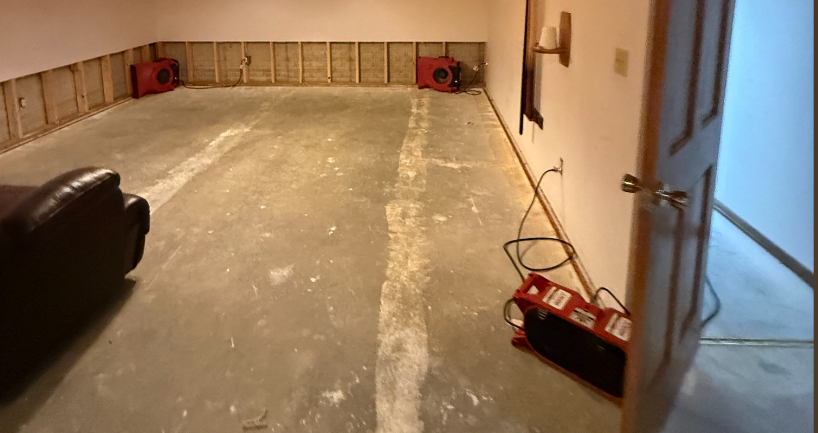
Understanding the restoration process can make the situation feel less overwhelming.
While every water loss is different, professional residential water damage restoration commonly involves several stages.
Inspection and Assessment
The restoration team first evaluates the affected property.
This can involve determining:
- Where the water came from.
- How much water entered the home.
- Which areas are affected.
- Which materials have absorbed moisture.
- Whether hidden moisture is present.
The information gathered during the assessment helps determine the appropriate restoration plan.
Water Extraction
Standing water is removed using professional extraction equipment.
Removing water quickly helps prevent it from spreading further into surrounding materials.
Drying and Dehumidification
Air movers and dehumidifiers help remove remaining moisture.
Equipment placement is based on the affected areas and materials.
Moisture Monitoring
Technicians monitor affected materials during the drying process.
This helps determine whether moisture levels are improving and whether additional drying is necessary.
Cleaning and Treatment
Depending on the source and severity of the water damage, affected areas and belongings may require cleaning or other treatment.
Restoration and Repairs
Some materials may be restorable while others may require repair or replacement.
The scope depends on the extent of the damage and the condition of the affected materials.
What Should Homeowners Do Before Help Arrives?

If your home has water damage, there are several steps you can take while waiting for professional help.
First, focus on safety.
If it is safe, stop the water source.
Then:
- Keep people and pets away from unsafe areas.
- Avoid electrical equipment around standing water.
- Move undamaged belongings away from the affected area.
- Take photographs and videos of the damage.
- Contact your insurance company if appropriate.
- Do not make major permanent repairs before the damage has been properly documented.
Do not enter standing water if you suspect an electrical hazard.
You should also avoid attempting to remove heavily damaged structural materials yourself.
The priority is to prevent injury and limit additional damage until the property can be properly assessed.
Does Homeowners Insurance Cover Water Damage Restoration?
Insurance coverage depends on the specific policy and the cause of the water damage.
Some sudden and accidental water losses may be covered, while other causes may be excluded.
For example, standard homeowners insurance generally does not cover flood damage, while certain sudden plumbing-related losses may be covered depending on the policy.
Sewer backup and sump pump failures may also require additional coverage or endorsements.
Before assuming that your claim will or will not be covered, review your policy and contact your insurance company.
If you experience a water loss, document the damage with photographs and keep records of restoration-related expenses.
Your restoration company can help document the physical damage, but your insurance company determines coverage under your policy.
Why Peoria Homeowners Should Not Ignore Small Water Problems
A small water problem can be easy to dismiss.
Maybe you notice a little discoloration underneath a sink.
Maybe your basement smells musty after a storm.
Maybe one section of flooring feels different from the rest.
These signs do not automatically mean you have major water damage.
But they are worth investigating, especially when they keep returning.
Repeated moisture can indicate an ongoing plumbing problem, foundation issue, roof leak, condensation problem, or drainage concern.
Catching the source early can help prevent a small issue from becoming a larger restoration project.
For homeowners in Peoria and surrounding communities, keeping an eye on basements, plumbing areas, ceilings, roofs, and other moisture-prone areas can be an important part of home maintenance.
People also read: Mold Remediation In Residential Homes: 9 Critical Things Property Developers Need to Know
Professional Residential Water Damage Restoration in Peoria
When water damage affects your home, you need to know what is wet, how far the moisture has traveled, and what needs to happen next.
PuroClean of Peoria provides professional residential water damage restoration services for homeowners dealing with plumbing leaks, flooded basements, appliance failures, roof leaks, storm damage, and other water-related emergencies.
Our team can assess affected areas, extract standing water, identify hidden moisture, and use professional drying equipment to help restore your home.
Every water loss is different.
A small localized leak may require a very different response than a flooded basement or major plumbing failure.
That is why professional assessment matters.
The goal is not simply to remove visible water. It is to address the moisture that may be hiding underneath or inside affected materials.
If your Peoria home has experienced water damage, call PuroClean of Peoria at (309) 431-4003 for fast professional assistance.
Frequently Asked Questions
1. What is residential water damage restoration?
Residential water damage restoration is the process of addressing water damage inside a home. It can involve water extraction, moisture detection, structural drying, dehumidification, cleaning, and restoration of affected materials.
2. How quickly should I respond to water damage in my home?
You should act as soon as possible. Stop the source if it is safe, remove standing water when appropriate, document the damage, and seek professional assistance when water has affected building materials or larger areas of the home.
3. Can water damage be hidden behind walls?
Yes. Water can move into drywall, insulation, wall cavities, and other areas that are not visible. Moisture detection equipment can help identify affected areas.
4. How long does residential water damage restoration take?
The timeline varies depending on the size of the loss, the amount of water, affected materials, humidity, and how quickly drying begins. Some smaller losses may be resolved within a few days, while extensive damage can take longer.
5. Can I clean up water damage myself?
Small amounts of clean water on easily accessible surfaces may be manageable. Professional restoration is recommended when water affects multiple rooms, drywall, flooring, insulation, electrical areas, or other materials, or when the water may be contaminated.
Final Thoughts
Understanding residential water damage restoration can help you respond with more confidence when an unexpected water problem occurs.
The most important thing to remember is that visible water is only part of the problem.
Moisture can move into flooring, walls, insulation, cabinets, and other materials where it may continue causing damage long after the surface appears dry.
Act quickly, prioritize safety, document the damage, and address the source of the water.
If the damage is significant or you suspect hidden moisture, professional restoration can help identify the full extent of the problem and begin the drying process.