If your home has water damage, one of the first questions you may have is, “How much is this going to cost?” The water damage restoration cost in Peoria County can vary widely depending on where the water came from, how much of the property was affected, how long the moisture remained, and what materials need to be restored.
A small plumbing leak in a bathroom is very different from several inches of water covering a Peoria County basement. A burst pipe that affects one room may require a much smaller response than a major flood that reaches flooring, drywall, insulation, and personal belongings.
Understanding what influences the cost can help you make better decisions when water damage occurs. It can also help you recognize why a professional estimate may change as more of the property is inspected.
Here are five critical things Peoria County homeowners need to know about water damage restoration costs.
Table of Contents
1. The Amount of Water and Size of the Damage Matter
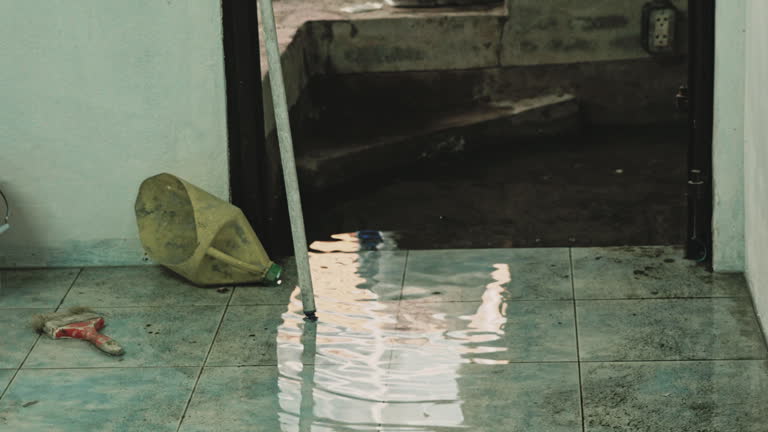
The size of the affected area is one of the first factors that can influence the water damage restoration cost in Peoria County.
A small leak contained to one room may require limited extraction and drying. A major water loss affecting several rooms can require considerably more equipment, labor, monitoring, and repairs.
For example, consider the difference between:
- A leaking supply line under a kitchen sink
- A burst pipe affecting a finished basement
- A washing machine overflow affecting multiple rooms
- A flooded lower level after heavy rainfall
- A plumbing failure that sends water through multiple floors
The more areas affected, the more extensive the restoration process may become.
Professionals may need to place drying equipment throughout multiple rooms, remove damaged materials, and monitor moisture levels in several locations.
For homeowners in Peoria County, the type of property also matters. A smaller home, large multi-level home, rental property, and commercial building can each require very different restoration approaches.
2. The Source and Type of Water Can Change the Cost
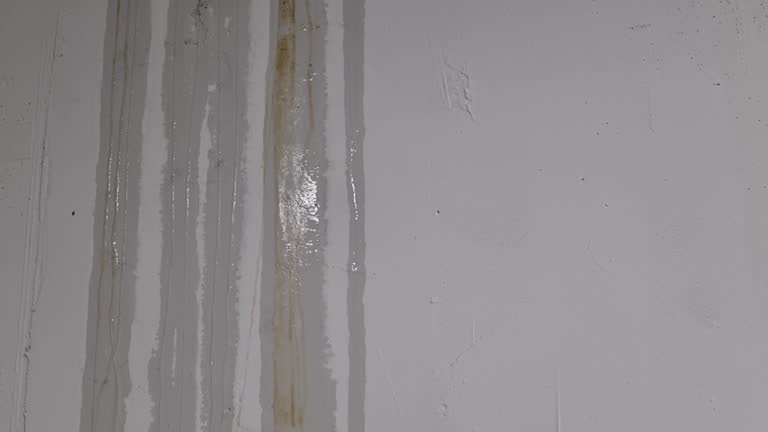
Not all water damage is the same.
The source of the water can affect the equipment, cleaning procedures, protective measures, and materials involved in the restoration.
Water may come from:
- A broken supply pipe
- A water heater
- An overflowing appliance
- A toilet or drain
- A sewer backup
- Heavy rainfall
- Exterior flooding
- A sump pump failure
Clean water from a broken supply line may require a different response than contaminated water from a sewer backup.
If the water contains contaminants, additional cleaning, removal, and safety procedures may be necessary. Certain materials may also be difficult or impossible to salvage.
This can affect the water damage restoration cost in Peoria County because the restoration team is responding to more than moisture. They may also need to address contamination and materials that cannot safely remain in the property.
Homeowners should avoid comparing restoration estimates based only on the number of rooms affected. Two properties with similar amounts of water can require very different restoration processes.
3. How Quickly You Respond Can Affect the Overall Damage
Water damage does not necessarily remain in the area where it started.
Once water enters a property, it can spread into flooring, drywall, cabinets, insulation, furniture, and other porous materials.
The longer materials remain wet, the more difficult the restoration process can become.
Fast action may help limit:
- The amount of material that becomes saturated
- Damage to flooring and drywall
- Hidden moisture
- Secondary property damage
- The amount of affected area
- Additional cleaning or repair needs
For example, a burst pipe in a Peoria home may initially affect one room. If the water continues flowing or moisture is left untreated, it may spread into adjacent rooms or beneath flooring.
This is why waiting for the damage to “dry on its own” can be a costly mistake.
If you are already dealing with water damage, call PuroClean of Peoria at (309) 431-4003 for a professional assessment.
People also read: Water Damage Restoration in Peoria: What to Do in the First 24 Hours
4. Restoration and Reconstruction Are Not Always the Same Cost
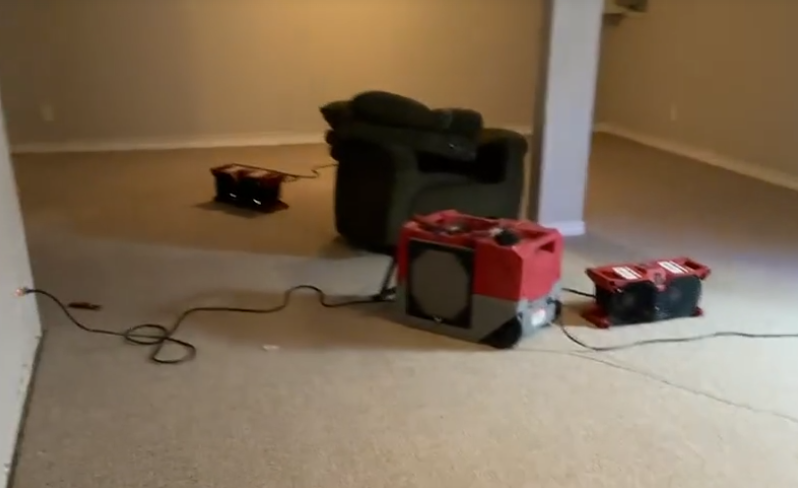
Another important factor homeowners need to understand is the difference between mitigation and reconstruction.
Water damage restoration generally focuses on addressing the immediate effects of water. This can include:
- Water extraction
- Moisture detection
- Structural drying
- Dehumidification
- Cleaning
- Removal of unsalvageable materials
Once that work is complete, the property may still need repairs.
Reconstruction can include:
- Replacing drywall
- Repairing or replacing flooring
- Replacing insulation
- Rebuilding cabinets
- Replacing trim
- Painting
- Repairing ceilings
- Rebuilding damaged areas
For example, extracting water from a flooded Peoria County basement is one part of the job. If the water damaged drywall, flooring, baseboards, and cabinets, those materials may require additional repair or replacement.
This distinction is important when discussing water damage restoration cost in Peoria County because the initial restoration estimate may not represent every repair required to return the property to its previous condition.
5. Insurance Coverage Can Affect What You Pay

Insurance is another major consideration when calculating your potential out-of-pocket costs.
Whether water damage is covered depends on the source of the water, the circumstances surrounding the loss, your policy, and any applicable exclusions or endorsements.
For example, coverage for a sudden plumbing failure may be different from coverage for flooding caused by rising water.
Homeowners should contact their insurance provider as soon as possible after a significant water loss and ask what documentation is required.
Useful documentation can include:
- Photos of the affected areas
- Videos of the damage
- Photos of damaged belongings
- A list of affected items
- Receipts for damaged property when available
- Restoration documentation
- Details about when and how the damage occurred
Do not assume that every water-related loss is covered or excluded. Your insurance policy and provider determine coverage for your specific situation.
A restoration professional can document the condition of the property and the work being performed, but they do not determine what your insurance policy covers.
What Is the Average Water Damage Restoration Cost in Peoria County?
There is no single price that applies to every water damage project.
The water damage restoration cost in Peoria County depends on the circumstances of the loss.
Important variables include:
- Size of the affected area
- Amount of standing water
- Source of the water
- Type of water involved
- Materials affected
- Amount of hidden moisture
- Time the materials remained wet
- Equipment required
- Labor involved
- Cleaning requirements
- Material removal
- Reconstruction needs
A homeowner dealing with a small bathroom leak should not expect the same cost as someone dealing with a flooded basement or multi-room water loss.
This is why professional restoration companies generally need to inspect the property before providing a meaningful estimate.
Why a Professional Assessment Matters
Water damage can be deceptive.
A property may look relatively normal after standing water is removed, while moisture remains inside walls, beneath flooring, or behind cabinets.
Professional assessment can help identify areas that are not immediately visible.
Depending on the situation, professionals may use moisture meters and other tools to determine where water has traveled.
This can help answer important questions such as:
- Which materials are wet?
- How far did the water travel?
- Is moisture trapped beneath the flooring?
- Does drywall need to be removed?
- Can certain materials be dried?
- Are additional areas affected?
- Is professional drying equipment necessary?
The answers can affect both the scope of the work and the overall water damage restoration cost in Peoria County.
How Homeowners Can Avoid Unnecessary Restoration Costs
You cannot always prevent water damage, but you can take steps to limit the damage once it happens.
If it is safe to do so:
- Stop the source of the water.
- Shut off the main water supply if necessary.
- Keep people and pets away from standing water.
- Move valuable belongings to a dry area.
- Take photos and videos.
- Contact your insurance company when appropriate.
- Begin professional assessment as soon as possible for significant damage.
Avoid attempting major water extraction with household equipment when there is extensive standing water.
You should also avoid entering areas where water may have reached electrical systems.
Trying to save money by delaying professional help can sometimes result in more extensive damage and additional restoration work.
What Can Make Water Damage More Expensive?
Several situations can increase the complexity of a water damage project.
Multiple Rooms Are Affected
The more rooms involved, the more extensive the extraction, drying, monitoring, and cleaning process may become.
Water Reaches Hidden Areas
Water inside walls, beneath flooring, or under cabinets can require additional inspection and drying.
Materials Cannot Be Salvaged
Some saturated or contaminated materials may need to be removed and replaced.
Contaminated Water Is Involved
Sewage, drain water, and certain types of exterior water can require additional cleaning and safety procedures.
Reconstruction Is Necessary
If walls, flooring, cabinets, ceilings, or other building materials are damaged, repair costs may extend beyond the initial water removal and drying.
These factors are why two Peoria County homeowners can experience water damage that appears similar but receive very different restoration estimates.
What Does PuroClean of Peoria Do During Water Damage Restoration?
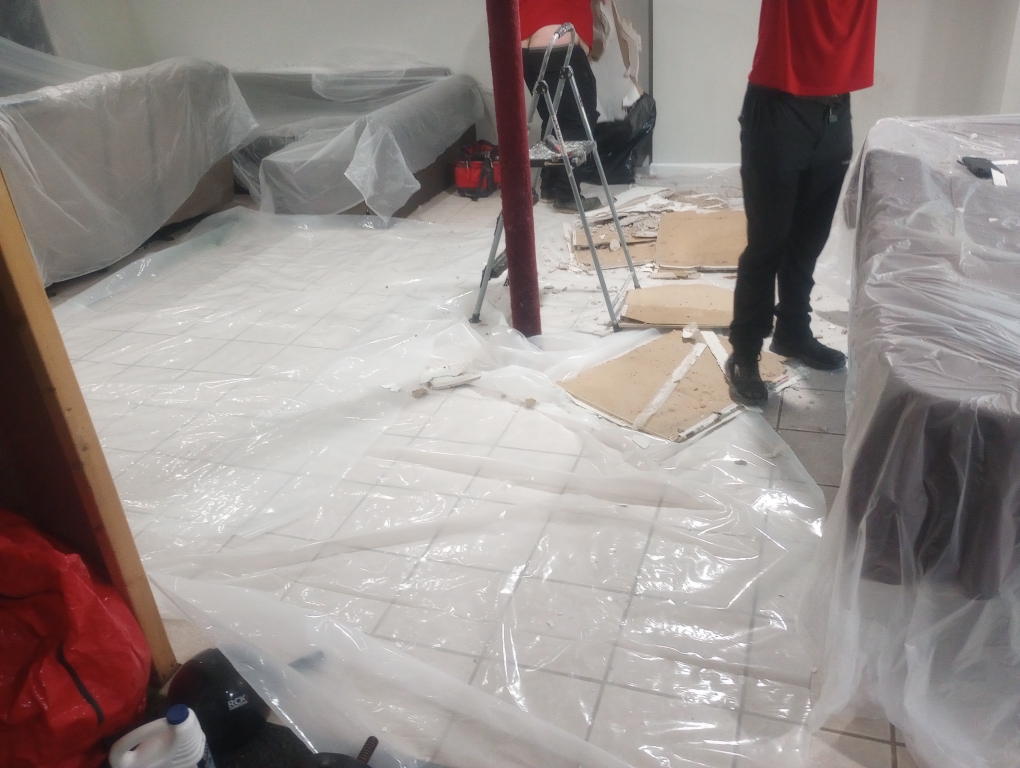
When a water emergency happens, homeowners need to understand what is actually being done to address the damage.
PuroClean of Peoria can help with the restoration process from the initial assessment through water removal and drying.
Depending on the situation, services may include:
- Water damage inspection
- Water extraction
- Moisture detection
- Structural drying
- Dehumidification
- Cleaning affected areas
- Removal of damaged materials
- Restoration and reconstruction
Our team serves homeowners and businesses throughout the Peoria area and understands the urgency that comes with a water emergency.
Whether you are dealing with a burst pipe, appliance leak, basement water, or another unexpected water loss, getting the property assessed quickly can help determine the appropriate next steps.
Call PuroClean of Peoria at (309) 431-4003 for professional water damage restoration.
Frequently Asked Questions
1. How much does water damage restoration cost in Peoria County?
There is no universal price because every water loss is different. The cost depends on the amount of water, affected area, water source, materials involved, drying requirements, cleaning, and any necessary repairs or reconstruction.
2. Does homeowners insurance cover water damage restoration?
Coverage depends on your individual policy and the cause of the water damage. Sudden and accidental plumbing losses may be treated differently from flooding or long-term maintenance issues. Contact your insurance provider to determine what your policy covers.
3. Does the size of the affected area affect restoration costs?
Yes. Larger affected areas generally require more labor, equipment, drying time, monitoring, and potentially more material removal and repairs.
4. Can I reduce the cost of water damage restoration by cleaning it myself?
For minor, safe water incidents, homeowners may be able to handle basic cleanup. Significant standing water, contaminated water, hidden moisture, or damage affecting walls and flooring should be evaluated by professionals.
5. Why can the restoration estimate change after the work begins?
The initial inspection may not reveal every affected area. Once materials are opened or moisture detection identifies hidden water, additional drying, material removal, or repairs may be necessary. A professional assessment helps establish the scope of the damage as accurately as possible.
Final Thoughts
The water damage restoration cost in Peoria County depends on much more than the amount of water you can see.
The source of the water, size of the affected area, hidden moisture, damaged materials, contamination, drying requirements, and reconstruction needs can all influence the final cost.
The best way to understand the potential cost is to have the property professionally assessed. Acting quickly can also help limit the extent of the damage and prevent a manageable water problem from becoming a much larger restoration project.
If your Peoria County home has water damage, contact PuroClean of Peoria at (309) 431-4003 for professional help.