When water enters your home, your first thought may be to grab a mop, shop vacuum, towels, and a few fans and start cleaning. For a small spill, that may be enough. But when water spreads into flooring, walls, ceilings, insulation, or hidden spaces, cleaning up what you can see may not solve the real problem.
That is where understanding water damage restoration vs. DIY cleanup becomes important.
Water damage can continue getting worse even after the visible water is gone. Moisture can remain underneath flooring, behind drywall, inside cabinets, or around baseboards. If those areas do not dry properly, you could eventually face mold growth, damaged building materials, unpleasant odors, and more expensive repairs.
For Peoria homeowners, knowing when you can handle a cleanup yourself and when you should bring in a professional can help protect your home and prevent a small water problem from becoming a major restoration project.
Table of Contents
1. When DIY Water Cleanup May Be Enough

Not every water incident requires professional restoration. A small, clean-water spill that is contained to a limited area may sometimes be handled with basic household equipment.
For example, if a small amount of water spills onto a hard floor and you catch it immediately, you may be able to remove the water and thoroughly dry the area yourself.
DIY cleanup may be reasonable when:
- The amount of water is very small.
- The water came from a clean source.
- The affected area is easy to access.
- Water has not reached walls, ceilings, or insulation.
- You can completely dry the area within a short period.
- There are no signs of mold, odors, or structural damage.
The key word is completely. Drying the surface is not the same as drying everything underneath it.
If moisture has moved into materials you cannot easily inspect, a professional assessment may be worthwhile even when the visible damage seems minor.
2. Water Damage Restoration vs. DIY Cleanup: What Is the Difference?
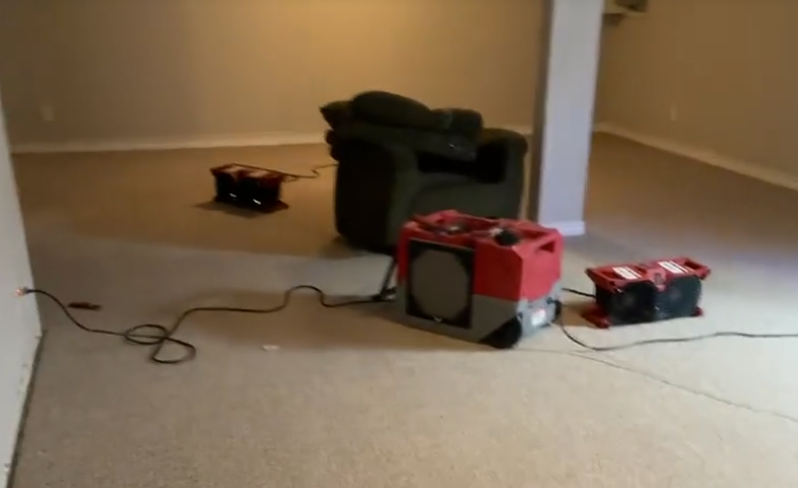
The biggest difference between water damage restoration vs. DIY cleanup is the depth of the work involved.
DIY cleanup usually focuses on removing visible water and drying surfaces. Professional restoration looks at the entire affected area, including places where moisture may be hidden.
A professional restoration process can include:
- Locating the source of the water.
- Assessing how far the moisture has traveled.
- Extracting standing water.
- Measuring moisture levels in affected materials.
- Setting up professional drying equipment.
- Monitoring the drying process.
- Removing materials that cannot be properly restored.
- Cleaning and treating affected areas.
This matters because water does not always stay where you first notice it.
For example, water from a leaking appliance may appear to be limited to the floor. However, moisture can travel underneath flooring and into nearby drywall or cabinets.
A professional assessment helps identify those hidden areas before they create additional problems.
3. Hidden Moisture Is One of the Biggest DIY Risks
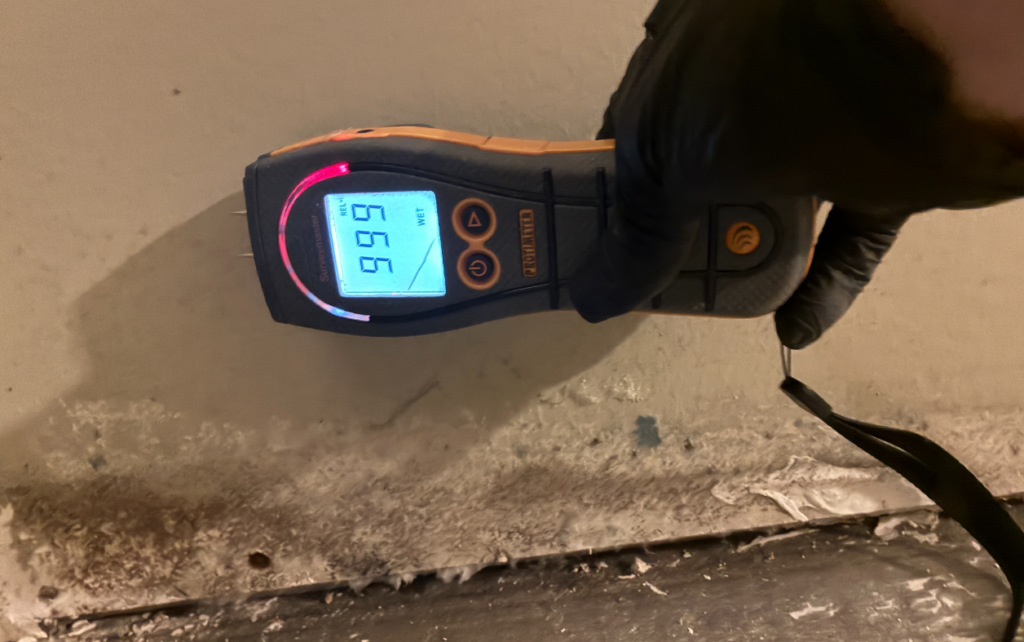
One of the most common mistakes homeowners make is assuming that an area is dry because it looks dry.
Unfortunately, water can hide in places that are difficult to see.
Moisture may remain:
- Beneath carpet and carpet padding.
- Under hardwood or laminate flooring.
- Behind drywall.
- Inside wall cavities.
- Under cabinets.
- Around baseboards.
- Inside insulation.
- Near HVAC components.
This is one of the biggest reasons water damage restoration vs. DIY cleanup should not be treated as simply a question of cost.
A homeowner may remove standing water and run a few household fans for several hours. The surface may feel dry, but moisture could still be trapped underneath.
Professional restoration teams use moisture detection tools to identify affected materials and determine whether additional drying is necessary.
The goal is not simply to make the room look dry. The goal is to restore the affected area to a properly dried condition.
People also read: Water Damage Restoration in Peoria: What to Do in the First 24 Hours
4. DIY Cleanup Can Become Risky When Standing Water Is Involved
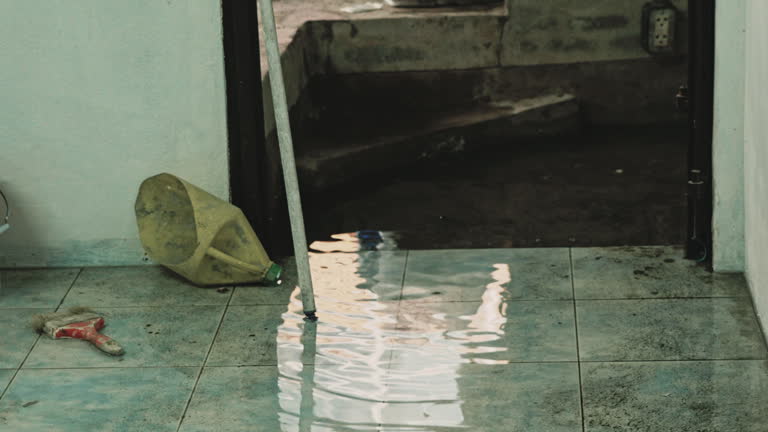
Standing water creates another major concern.
If water remains inside your home, you need to consider both the source of the water and what the water may have contacted.
Clean water from a supply line is different from water that has come through a sewer backup, toilet overflow, or contaminated flood source.
Potential concerns can include:
- Electrical hazards around outlets and appliances.
- Contaminated water.
- Slippery surfaces.
- Damaged flooring.
- Structural concerns.
- Exposure to bacteria or other contaminants.
Never enter standing water if you suspect an electrical hazard.
You should also avoid handling potentially contaminated water without proper protective equipment and procedures.
This is where professional restoration becomes especially important. The team can assess the type of water involved, determine the appropriate cleanup process, and use professional equipment to safely address the affected areas.
5. The Longer Water Sits, the More Damage It Can Cause
Time matters when dealing with water damage.
The longer moisture remains inside building materials, the greater the chance that those materials will deteriorate or develop secondary problems.
Water can cause:
- Swollen flooring.
- Stained drywall.
- Damaged baseboards.
- Warped wood.
- Deteriorated insulation.
- Musty odors.
- Mold growth.
- Damage to personal belongings.
A homeowner may think, “I’ll give it another day and see what happens.”
That delay can make restoration more difficult.
If water has spread beyond a small, easily controlled area, acting quickly gives you a better chance of limiting the damage.
If you’re already seeing signs of water damage, call PuroClean of Peoria at (309) 431-4003 for a fast response.
6. Do You Have the Right Equipment for Proper Drying?
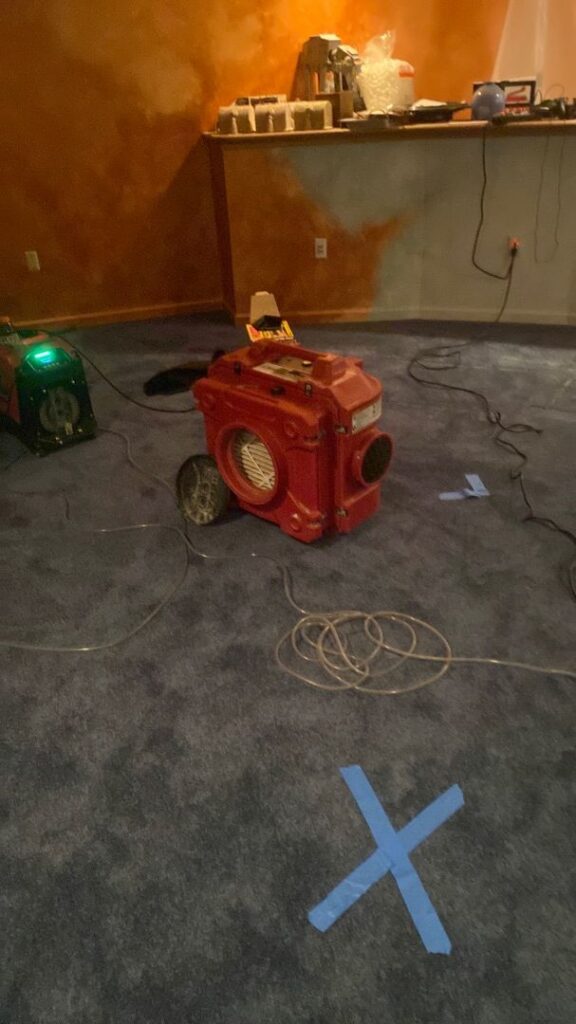
Another important factor in water damage restoration vs. DIY cleanup is equipment.
Household fans can move air around a room, but professional restoration equipment is designed specifically for water damage drying.
Professionals may use:
- Commercial air movers.
- Dehumidifiers.
- Moisture meters.
- Infrared technology.
- Professional extraction equipment.
- Specialized drying systems.
The equipment is only part of the solution, though.
Knowing where to place equipment and when to move or remove it also matters.
For example, placing a fan in the affected room may make the floor feel drier without addressing moisture trapped beneath the flooring.
Professional drying involves assessment, equipment placement, monitoring, and verification.
That process helps ensure that hidden moisture is not simply left behind.
7. Mold Is a Major Concern After Water Damage

Water damage and mold often go hand in hand when moisture is allowed to remain.
Mold does not need a visibly flooded room to become a concern. Persistent moisture in drywall, flooring, insulation, or other materials can create favorable conditions for growth.
Watch for signs such as:
- Musty odors.
- New discoloration.
- Dark or fuzzy spots.
- Damp materials.
- Peeling paint.
- Bubbling drywall.
- Persistent condensation.
If you notice these signs after a water incident, avoid simply painting over the affected area or cleaning the visible surface.
The moisture source needs to be addressed first.
If mold has developed, the affected materials may also require specialized cleaning or removal depending on the situation.
This is another area where professional assessment can help determine what needs to happen next.
8. Know When DIY Cleanup Is No Longer the Right Choice
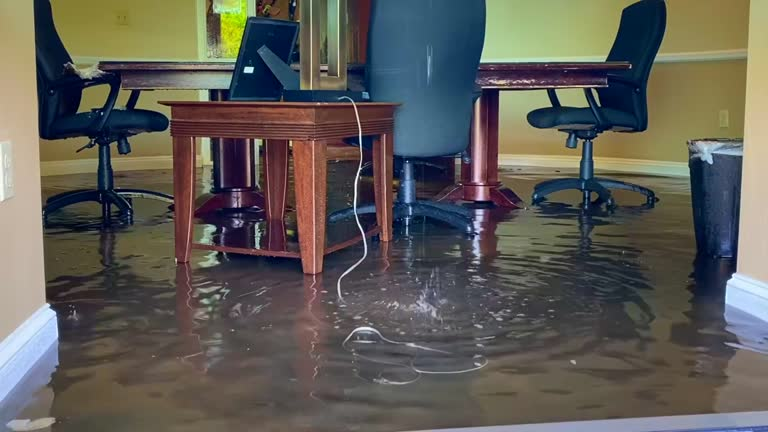
DIY cleanup can be useful for small incidents, but there are situations where professional help makes much more sense.
Consider calling a professional when:
- Water has affected multiple rooms.
- Standing water remains.
- Water has entered walls or ceilings.
- Flooring is buckling or swelling.
- The source of the water is unknown.
- Sewage or contaminated water is involved.
- You notice a musty odor.
- You suspect hidden moisture.
- Mold is already visible.
- You cannot adequately dry the affected area.
You should also consider professional restoration after significant storms or flooding.
Peoria-area properties can experience heavy rain and storm-related water problems. When large amounts of water enter a home, the damage can extend well beyond the area where water first appears.
Getting an assessment early can help identify problems before they spread.
9. Professional Restoration Goes Beyond Removing Water
A professional restoration company does more than pump water out of a room.
The process typically starts with an assessment of the damage and the source of the water. From there, the restoration team determines what materials are affected and what needs to happen to dry and restore the space.
Depending on the situation, restoration may involve:
- Inspection: The affected areas are evaluated to understand the extent of the damage.
- Water removal: Standing water is extracted using professional equipment.
- Moisture detection: Technicians check materials for hidden moisture.
- Drying: Air movers and dehumidification equipment help remove remaining moisture.
- Monitoring: Moisture levels are checked throughout the drying process.
- Cleaning: Affected areas and belongings may require cleaning and treatment.
- Restoration: Damaged materials are repaired or replaced when necessary.
This systematic approach is one of the biggest differences between water damage restoration vs. DIY cleanup
Instead of simply cleaning what you can see, professional restoration addresses the broader damage.
10. Choosing Between DIY Cleanup and Professional Restoration
So, which option is right for your home?
The answer depends on the size, source, and severity of the water damage.
A simple spill on a hard surface may not require a restoration company. But once water reaches porous materials, hidden spaces, multiple rooms, or electrical components, the situation becomes more complicated.
Ask yourself:
Where did the water come from?
Clean water from a small spill presents a different situation than sewage or floodwater.
How much water is involved?
A few cups of water are very different from several inches of standing water.
Where did the water go?
If it reached walls, flooring, cabinets, insulation, or ceilings, hidden moisture may be present.
Can you completely dry the affected materials?
If you cannot confidently answer yes, professional drying may be the better choice.
Are you noticing odors or visible damage?
Musty smells, discoloration, swelling, and mold growth are signs that the problem may be more than surface-level.
When in doubt, getting a professional assessment can help you make an informed decision before the damage gets worse.
Why Peoria Homeowners Choose Professional Water Damage Restoration
When water damage affects your Peoria home, you need more than someone to remove visible water.
You need a team that understands how moisture moves through a property and how to identify areas that may need additional attention.
PuroClean of Peoria provides professional water damage restoration services designed to help homeowners respond quickly when water damage occurs.
Our trained technicians can assess affected areas, remove standing water, identify moisture, and use professional drying equipment to help return your property to a safe and dry condition.
Fast action can also help reduce the potential for secondary damage.
If a pipe breaks, a washing machine overflows, a basement floods, or stormwater enters your property, don’t wait for the damage to become obvious everywhere.
Call PuroClean of Peoria at (309) 431-4003 for professional water damage restoration assistance.
Frequently Asked Questions
1. Is DIY cleanup safe for minor water damage?
It can be appropriate for a small amount of clean water that is quickly contained and completely dried. If water reaches walls, flooring, electrical components, or hidden areas, professional assessment may be safer.
2. Can I dry water damage with household fans?
Household fans can help move air, but they may not be enough to remove moisture trapped beneath flooring, inside walls, or within other materials. Professional equipment and moisture monitoring can provide a more thorough drying process.
3. How do I know if water is trapped behind drywall?
Signs can include bubbling paint, swelling, staining, soft drywall, musty odors, or changes in the material. Professional moisture detection equipment can also help identify moisture that is not visible.
4. When should I call a water damage restoration company?
Call a professional when water affects multiple areas, remains standing, enters walls or flooring, comes from a contaminated source, or cannot be completely dried with the equipment you have available.
5. Can water damage lead to mold?
Yes. Persistent moisture can create conditions that support mold growth. Addressing water damage quickly and thoroughly drying affected materials can help reduce the risk of secondary problems.
Final Thoughts: Know When DIY Cleanup Is Not Enough
Understanding water damage restoration vs. DIY cleanup can help you make better decisions when something goes wrong in your home.
A small spill may be manageable with towels and household equipment. But widespread water, hidden moisture, contaminated water, damaged materials, and persistent dampness require a more careful approach.
The most important thing is not simply getting rid of the water you can see. You also need to determine whether moisture has reached places you cannot see.
When you are unsure about the extent of the damage, professional help can save time and potentially prevent a much larger restoration problem.