


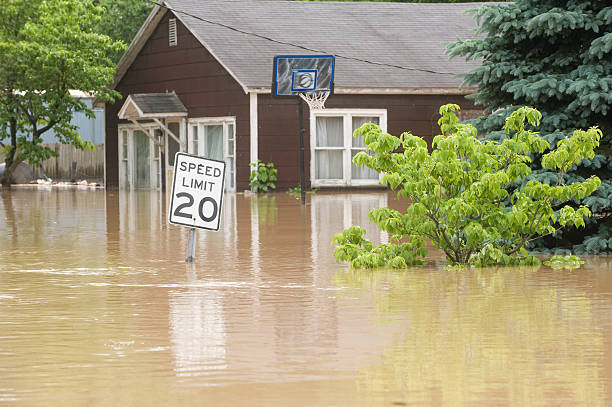
As a homeowner, avoid these 7 expensive mistakes after storm flood damage in miami. Expert advice from PuroClean — certified 24/7 emergency flood restoration serving Miami-Dade County. Call (954) 477-7007.
7 Costly Mistakes to Avoid After Storm Flood Damage in Miami
Miami is no stranger to storms. From tropical depressions and named hurricanes to the intense afternoon thunderstorms that lash Miami-Dade County every summer, flooding is a near-annual reality for homeowners across Brickell, Little Havana, Wynwood, Coral Gables, Hialeah, and beyond.
But when storm floodwaters enter your home, what you do in the next 24–72 hours is just as important as the storm itself.
Miami’s unique combination of flat topography, aging drainage infrastructure, sea-level proximity, and year-round humidity creates conditions where storm flood damage escalates faster and is more expensive to fix than almost anywhere else in the United States.
The wrong decisions in the immediate aftermath don’t just delay your recovery. They can double your repair costs, destroy your insurance claim, and put your family’s health at serious risk.
In this guide, PuroClean’s certified restoration specialists break down the 7 most costly mistakes Miami homeowners make after storm flooding and exactly what to do instead.
| Quick Answer: What are the biggest mistakes after storm flood damage in Miami? The 7 costliest mistakes Miami homeowners make after storm flood damage in miami are: delaying professional help beyond 24 hours, re-entering or restoring power before the property is safe, failing to document damage before starting cleanup, using household fans instead of industrial drying equipment, missing hidden moisture in walls, floors, and ceilings, underestimating how fast mould grows in Miami’s humidity, and hiring an unlicensed storm-chaser contractor. Each mistake can add thousands of dollars and serious health risks to your recovery. |
Why Storm Flood Damage in Miami Is a Unique Challenge in Miami
Miami sits at an average elevation of just 6 feet above sea level, making it one of the most flood-vulnerable major cities in the United States.
FEMA flood zone maps show large portions of Miami-Dade County including coastal neighbourhoods, low-lying inland areas, and waterfront communities classified as high-risk flood zones where storm surge, tidal flooding, and heavy rainfall can all contribute to property flooding within hours of a storm.
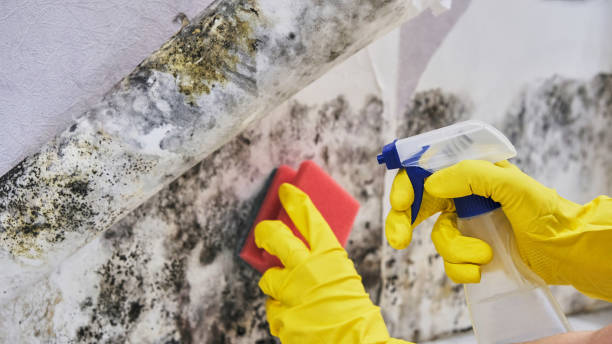
What makes Miami especially challenging for homeowners is the speed at which water damage escalates here.
Average annual temperatures above 77°F, year-round relative humidity between 70–80%, and the presence of organic building materials in older Miami homes create near-ideal conditions for mould growth from the moment floodwater enters a property.
This means the margin for error is smaller in Miami than almost anywhere else.
The 7 mistakes below are not just inconveniences in Miami’s climate, each one carries compounding consequences.
The 7 Costly Mistakes And What to Do in the event of Storm Flood Damage in Miami
| 1 Waiting More Than 24 Hours to Call a Restoration Professional |
| In Miami’s climate, the 24-hour window after storm flooding is not a guideline, it is a hard deadline. At average Miami temperatures and humidity levels, mould spores can begin colonising damp building materials in as little as 24–48 hours. Floodwater penetrates drywall, insulation, subfloors, cabinet bases, and wooden structural elements almost immediately. \ Every additional hour of delay widens the scope of damage and increases your total restoration bill. A water damage situation that costs $3,500 to resolve on day one can cost $20,000 or more if left untreated for four or five days especially once mould remediation is added to structural repairs. |
| What to do instead: Call a certified, 24/7 emergency restoration company the moment it is safe to make the call even before the storm has fully passed. Early intervention is the single most impactful decision you can make. PuroClean of Plantation responds to South Florida emergencies around the clock: (954) 477-7007. |
| 2 Re-Entering Your Home or Restoring Power Without a Safety Check |
| After a major storm floods a Miami home, the instinct to get back inside and restore power is understandable. But it is one of the most dangerous decisions you can make. Floodwater in Miami often qualifies as Category 2 or Category 3 water meaning it contains contaminants, sewage backflow, or chemical runoff from streets and storm drains. Entering a flooded property without proper protective equipment exposes you to serious pathogens. Restoring electricity while water remains in contact with outlets, flooring, or your electrical panel creates a direct electrocution risk. Miami’s older residential areas particularly in Hialeah, Little Havana, and parts of Miami Beach often have electrical infrastructure that is especially vulnerable to moisture intrusion. |
| What to do instead: Do not re-enter until local authorities confirm the property is structurally safe. Do not restore power until a licensed electrician has inspected your panel and wiring. Your restoration team can coordinate the safety assessment sequence as part of the overall recovery process. |
| 3 Starting Cleanup Before Documenting Damage for Your Insurance Claim |
| This mistake costs Miami homeowners thousands of dollars in lost insurance settlements every single year. Florida flood insurance whether through the National Flood Insurance Program (NFIP) or a private policy requires thorough, timestamped documentation of all damage before any cleanup or removal begins. Insurance adjusters in Miami-Dade are experienced at identifying insufficient documentation and will use gaps in your evidence to reduce or dispute your claim. Moving furniture, pulling up wet carpets, or bagging damaged items before photographing them can permanently compromise your right to full compensation. |
| What to do instead:Before touching anything, photograph and video every affected room from floor to ceiling. Document waterlines on walls, damaged flooring, destroyed contents, appliances, and any visible structural damage. Note the exact date and time. Create a written inventory of all damaged items with approximate values. PuroClean works directly with Miami insurance adjusters and can assist with documentation from the moment we arrive on site. |
| 4 Trying to Dry Out a Flooded Miami Home With Household Equipment |
| Box fans, portable dehumidifiers, and open windows are wholly inadequate for drying a flood-damaged home in Miami and in some cases they actively make the situation worse. Household fans move surface-level air. They do not extract moisture from inside wall cavities, beneath tile or hardwood floors, within insulation, or from cabinet structures. In Miami’s outdoor humidity levels of 75–80%, opening windows during drying can actually introduce more moisture than you remove. The false sense of progress created by household drying equipment is dangerous: surfaces appear dry while moisture continues to accumulate inside walls and floors, creating the perfect hidden conditions for mould growth. |
| What to do instead:Industrial air movers, commercial desiccant dehumidifiers, and specialised drying panels operate at a scale that household equipment cannot match. PuroClean uses thermal imaging and calibrated moisture meters to identify all affected areas, then applies the appropriate industrial drying system for each surface type including specialty processes for Miami’s common tile-over-concrete and wood-frame construction methods. |
| 5 Overlooking Hidden Moisture in Walls, Ceilings, and Under Floors |
| What you can see after storm flooding in Miami is rarely the full picture. Floodwater migrates fast and silently into areas that look completely dry on the surface. Common hidden moisture zones in Miami homes include: • Hollow-core interior walls and drywall cavities • Beneath ceramic tile, marble, and terrazzo (common in Miami construction) • Inside stucco exterior walls where water infiltrates through cracks • Ceiling voids from roof intrusion or upstairs water migration • Insulation behind kitchen and bathroom cabinetry • Concrete block wall interiors (a structural feature common in South Florida homes) Moisture trapped in these areas will not evaporate on its own. Left in place, it causes structural decay, persistent odours, warped flooring, and chronic mould all of which are far more expensive to remediate than they would have been to prevent. |
| What to do instead:Only certified technicians using thermal imaging cameras and precision moisture meters can reliably locate all affected areas in a flood-damaged Miami home. Do not assume an area is dry because it looks or feels dry. PuroClean performs a comprehensive on-site inspection using the latest detection technology before any drying process begins. |
| 6 Underestimating How Fast Mould Grows in Miami’s Climate |
| Miami’s average temperature and humidity create conditions that are essentially perfect for mould proliferation. While most restoration guidelines quote 24–48 hours as the mould growth window, in Miami during the summer months that window can be even shorter. Mould does not just grow on visible surfaces. In flood-damaged Miami homes, it grows inside wall cavities, beneath flooring, within HVAC ducts, and behind appliances often with no visible or olfactory signs until the infestation is extensive. By the time a musty smell becomes noticeable, mould is typically well-established. The health consequences are serious. Mould exposure can cause chronic respiratory issues, worsen asthma, trigger allergic reactions, and in the case of Stachybotrys (black mould) cause more severe neurological and immune effects. Miami families with children, elderly members, or anyone with respiratory conditions face elevated risk. |
| What to do instead: Treat mould prevention as a day-one priority, not an afterthought. Certified restoration technicians will assess for pre-existing mould on arrival, monitor moisture levels throughout the drying process, and apply EPA-registered antimicrobial treatments to at-risk surfaces. If active mould is found, professional remediation must be completed and verified before any structural repairs begin. |
| 7 Hiring an Unlicensed ‘Storm Chaser’ Contractor |
| After every major storm that affects Miami-Dade County, unlicensed contractors flood the area alongside the floodwaters. They knock on doors, offer rock-bottom prices, and promise fast turnaround times. It is one of the oldest post-disaster scams in Florida and it costs Miami homeowners millions of dollars every year. The consequences of hiring an unqualified contractor include: • Incomplete drying that leaves hidden moisture and triggers mould • Repairs that do not meet Miami-Dade building codes • Documentation that your insurer will not accept • Contractors who disappear before the job is complete or after being paid upfront • Work that a certified team must redo entirely at full cost to you Florida law requires restoration contractors to be licensed and bonded. Miami-Dade County has additional permitting requirements for post-flood repairs. Always verify credentials before anyone begins work on your property. |
| What to do instead: Verify IICRC certification, Florida contractor licensing, and insurance before signing anything. Ask for references from local Miami jobs specifically. PuroClean of Plantation is IICRC certified, EPA Lead-Safe certified, fully insured, and has a documented track record across South Florida. We work directly with your insurance company to ensure all documentation meets claim requirements. |
What Homeowners Should Do Immediately After Storm Flood Damage in Miami
If storm floodwaters have entered your Miami home, follow this sequence before anything else:
- Ensure everyone in the household is safe. Evacuate if instructed by authorities.
- Do not re-enter the property until structural safety is confirmed.
- Avoid contact with floodwater treat it as contaminated until assessed.
- Do not restore electricity until a licensed electrician clears the property.
- Photograph and video all visible damage before touching or moving anything.
- Call your insurance company to open a claim and note your claim number.
- Call PuroClean for immediate 24/7 emergency response: (954) 477-7007.
- Do not discard damaged items: many may be restorable, and all are part of your insurance documentation.

Frequently Asked Questions About Storm Flood Damage in Miami
How fast does mould grow after flooding in Miami?
In Miami’s average summer conditions temperatures above 80°F and humidity above 70% mould spores can begin colonising damp building materials within 24 hours of flood exposure, and active mould colonies can be established within 48 hours.
This is shorter than the national average due to Miami’s climate. Professional water extraction and drying within the first 24 hours is the most effective way to prevent mould growth.
Does insurance cover storm flood damage in Miami?
Standard homeowners insurance in Florida does not cover flooding caused by external storm surge or overland water.
Separate flood insurance through FEMA’s National Flood Insurance Program (NFIP) or a private carrier is required to cover this type of damage. Given Miami’s high-risk flood zone designations, flood insurance is mandatory for many mortgaged properties in Miami-Dade County.
PuroClean works with both NFIP and private flood insurers and can assist with documentation from the first day on site.
Is Miami floodwater safe to walk through?
No. Storm floodwater in Miami is typically classified as Category 2 (grey water) or Category 3 (black water), containing contaminants from street drains, sewage systems, and chemical runoff.
Direct skin contact should be avoided, and any affected surfaces that came into contact with floodwater must be properly disinfected with EPA-registered products by certified technicians before being considered safe.
How long does flood damage restoration take in Miami?
Initial water extraction typically takes 4–8 hours for a standard residential property. Structural drying takes 5–7 days with industrial equipment. If mould remediation is required, add 3–5 days.
Full structural repairs drywall, flooring, cabinetry typically take an additional 1–3 weeks depending on the extent of damage.
PuroClean provides a detailed timeline and regular updates throughout the process.
What neighbourhoods are most at risk of storm flood damage in miami?
Miami neighbourhoods with the highest flood risk include Miami Beach, Brickell, Coconut Grove, Little Havana, Hialeah, Opa-locka, Wynwood, and coastal areas of Coral Gables.
However, any low-lying Miami-Dade property can be affected by storm surge, tidal flooding, or drainage overflow during major weather events.
FEMA flood zone maps for Miami-Dade are available at floodmap.fema.gov.
Can I stay in my Miami home after storm flood damage in Miami?
In most cases, no — at least not during active restoration.
Flooded properties may have structural instability, contaminated water, electrical hazards, and rapidly developing mould. Most restoration professionals and insurance policies recommend temporary relocation during the active drying and remediation phase.
Your insurance policy may include Additional Living Expenses (ALE) coverage that pays for temporary accommodation while your home is being restored.
Why Homeowners Trust PuroClean for Restoration of Storm Flood Damage in Miami
When storm flooding strikes, Miami homeowners need a restoration team that understands the specific challenges of South Florida: the climate, the construction styles, the insurance landscape, and the speed at which damage escalates here. PuroClean of Plantation brings certified expertise and genuine compassion to every restoration — residential or commercial, large or small.
- IICRC Certified technicians — the highest professional standard in restoration
- EPA Lead-Safe Certified — safe handling of all building materials
- 24/7 emergency response across Miami-Dade, Broward, and South Florida
- Direct insurance coordination — we manage your claim communication from day one
- Full-service restoration: water extraction, structural drying, mould remediation, sewage cleanup, fire damage, and biohazard removal
- Proven track record across South Florida with hundreds of satisfied residential and commercial clients
- Transparent pricing with free on-site estimates — no hidden charges
| Are you dealing With Storm Flood Damage in Miami Right Now? Don’t wait: every hour matters in Miami’s climate. The sooner you call, the less it costs. Call PuroClean 24/7: (954) 477-7007 Or visit us for Free on-site estimate Insurance coordination IICRC certified Available 24/7 |
Every Hour After Storm Flood Damage in Miami Counts
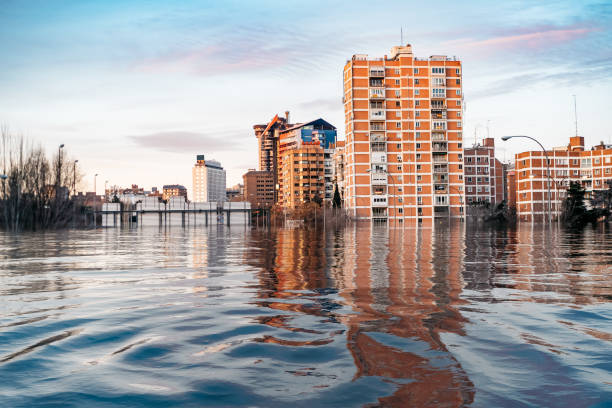
Storm flood damage in Miami is not a wait-and-see situation. The city’s climate, geography, and infrastructure make it one of the highest-risk environments in the United States for rapid damage escalation after a flood.
The seven mistakes above especially delaying professional help, skipping documentation, and hiring unlicensed contractors — are the difference between a manageable restoration and a catastrophic rebuild.
Acting fast, documenting thoroughly, and calling a certified restoration professional within the first hour gives your home and your family the best possible chance of a full, fast recovery.
PuroClean of Plantation’s certified technicians serve Miami and all of South Florida around the clock, bringing the expertise, equipment, and insurance knowledge that storm flood damage demands.
PuroClean of Plantation: (954) 477-7007 — Torchwood Ave., Plantation, FL 33324. Serving Miami, Miami-Dade County, Broward County, and South Florida 24 hours a day, 7 days a week.
Related reading for Miami homeowners:
- Storm Flood Damage in Miami: What Every Homeowner Must Know Before Hurricane Season Hits
- Miami Storm Flooding Recovery: Step-by-Step Guide From Extraction to Full Restoration
- Storm Flood Damage Insurance Claims in Miami: How to Document, File, and Win Your Claim
- After the Storm: How Miami Homeowners Can Prevent Mould Following Flood Damage
- Why Miami’s Flat Terrain Makes Storm Flood Damage Worse — and What Restoration Experts Say