


Table of Contents
Storm Flooding Cleanup in Fort Lauderdale: What Homeowners Need to Know After Heavy Storms
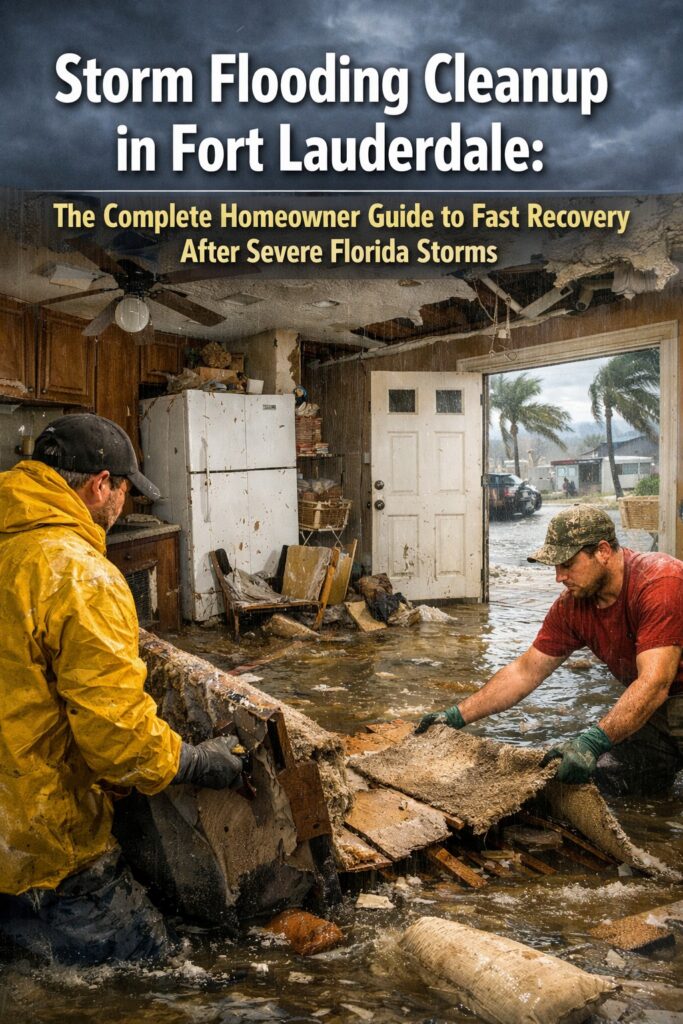
South Florida storms are becoming more intense, and homeowners across Broward County are experiencing the effects firsthand. Torrential rain, overwhelmed drainage systems, and storm surge can quickly flood homes and businesses. When this happens, storm flooding cleanup in Fort Lauderdale becomes an urgent priority to protect both property and health.
Fort Lauderdale’s coastal geography, combined with rising sea levels and frequent tropical weather systems, means even short storms can lead to significant water intrusion. Streets can flood in minutes and water can seep into homes through foundations, doors, and drainage systems.
Understanding the proper recovery process can make the difference between minor repairs and long term structural damage. This guide explains the risks, the steps to take immediately after flooding, and how professional restoration services help local residents recover quickly.
Why Storm Flooding Is Increasing in Fort Lauderdale
Fort Lauderdale has always faced seasonal storms, but recent weather patterns have intensified flooding events across South Florida.
Several factors contribute to the growing need for storm flooding cleanup in fort lauderdale:
1. Intense Rainfall Events
South Florida frequently experiences storms that drop several inches of rain in just a few hours. When rainfall exceeds the capacity of storm drains, water backs up into neighborhoods and properties.
2. High Water Tables
Because Fort Lauderdale sits close to sea level, the ground becomes saturated quickly. Once the soil cannot absorb additional water, flooding spreads across streets and into homes.
3. Aging Infrastructure
In some older neighborhoods, drainage systems were designed decades ago when rainfall patterns were less extreme.
4. Tropical Storms and Hurricanes
The Atlantic hurricane season runs from June through November, and even weaker storms can produce heavy rainfall that floods homes across Broward County.
These conditions mean homeowners must be prepared for flooding and understand how recovery works.
Storm Flooding Cleanup in Fort Lauderdale: The First 24 Hours Matter
The first day after a flood is critical. Quick action helps limit damage, prevent mold growth, and protect the structure of your property.
When homeowners delay storm flooding cleanup in Fort Lauderdale, moisture spreads into walls, flooring, and insulation. Within 24 to 48 hours mold can begin to grow in damp environments according to guidance from the Centers for Disease Control and Prevention. CDC flood safety guidance
Here are the most important steps to take immediately after flooding.
1. Ensure Safety Before Entering the Property
Floodwater can hide hazards such as damaged electrical wiring, structural issues, and contaminated water. Authorities recommend inspecting the structure carefully before entering.
According to FEMA, homeowners should check for structural damage and document losses before beginning cleanup.
2. Document Damage for Insurance
Take photographs and videos of:
- Flooded rooms
- Damaged furniture and belongings
- Water lines on walls
- Structural damage
Detailed documentation helps speed up insurance claims and disaster assistance programs.
3. Remove Standing Water Quickly
Standing water spreads through building materials quickly. Water extraction equipment is often needed to remove water trapped under flooring, carpets, and drywall.
4. Begin Drying Immediately
Drying the property quickly prevents microbial growth and structural deterioration. High powered air movers and dehumidifiers are commonly used during professional restoration.
Hidden Damage After Flooding
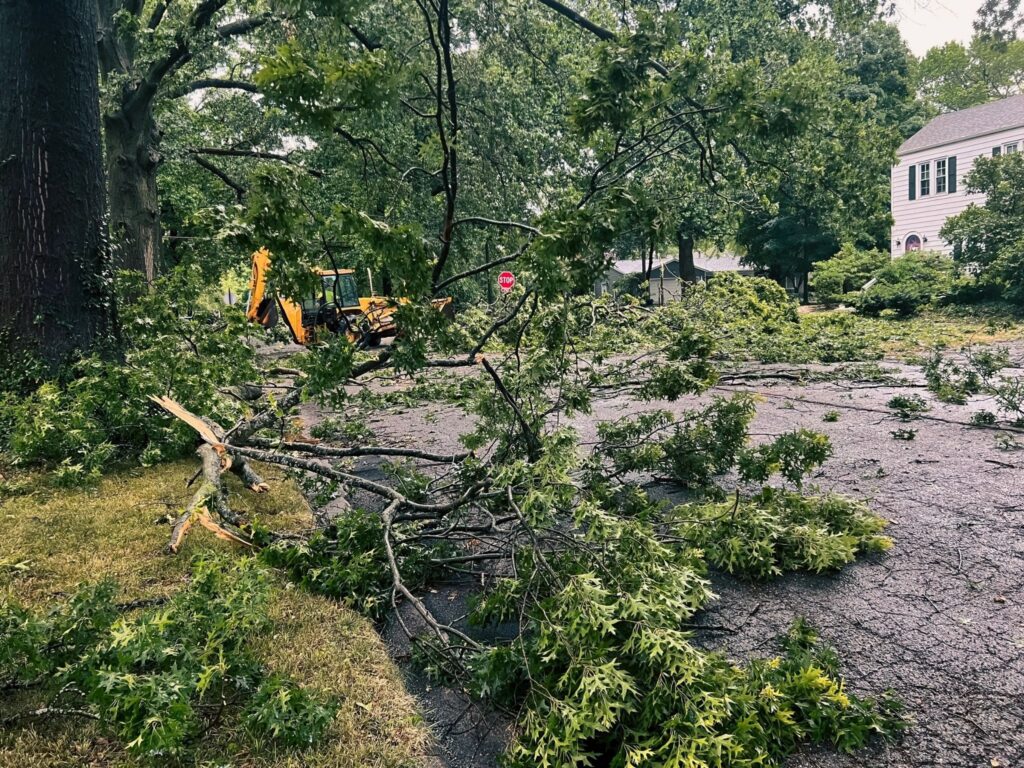
Many homeowners assume that once visible water is removed the problem is solved. Unfortunately, storm flooding often causes hidden damage that appears days or weeks later.
Proper storm flooding cleanup in Fort Lauderdale addresses these hidden risks.
Structural Moisture
Water can travel through:
- Wooden framing
- Drywall
- Insulation
- Subfloor materials
Even if surfaces look dry, moisture may remain trapped within building materials.
Mold Growth
Warm and humid Florida conditions create ideal conditions for mold growth. Floodwater introduces bacteria and organic materials that accelerate contamination.
Signs of mold after flooding include:
- Musty odors
- Dark spots on walls or ceilings
- Increased allergy symptoms
- Warped flooring
Professional moisture detection tools often identify hidden mold risks before they become visible.
Electrical Damage
Floodwater may damage wiring, outlets, and appliances. Electrical systems should always be inspected before power is restored.
Why DIY Flood Cleanup Often Fails
Many homeowners attempt to handle flood cleanup themselves using household fans and shop vacuums. While this approach may help with minor leaks, it is rarely effective after storm flooding.
Proper storm flooding cleanup in Fort Lauderdale typically requires specialized equipment and technical expertise.
Limited Water Extraction
Household tools cannot remove water trapped beneath:
- Hardwood flooring
- Tile subfloors
- Carpet padding
- Wall cavities
Professional extraction systems remove water deep within building materials.
Incomplete Drying
Without commercial drying equipment, moisture can remain trapped for weeks. This leads to mold growth and structural weakening.
Health Risks
Floodwater often contains bacteria, sewage contamination, and chemicals carried by storm runoff. Protective gear and sanitation procedures are necessary during cleanup.
The Professional Flood Restoration Process
Professional restoration companies follow a structured process designed to return properties to safe living conditions as quickly as possible.
The process used during storm flooding cleanup in Fort Lauderdale usually includes several stages.
Emergency Response
Rapid response teams arrive with pumps and extraction equipment to remove standing water immediately.
Moisture Inspection
Technicians use thermal cameras and moisture meters to locate hidden water inside walls and flooring.
Water Extraction
Industrial extraction machines remove thousands of gallons of water from carpets, floors, and structural materials.
Structural Drying
Large air movers and commercial dehumidifiers circulate air throughout the building to remove trapped moisture.
Cleaning and Sanitizing
Floodwater often carries bacteria and debris. Surfaces must be disinfected to ensure the property is safe.
Restoration and Repairs
Once the property is fully dry, repairs may include:
- Drywall replacement
- Flooring repair
- Cabinet restoration
- Structural repairs
Local Flood Risks in Broward County
Fort Lauderdale residents face unique flooding risks due to geography and climate patterns.
Some neighborhoods experience flooding more frequently due to:
- Low elevation
- Canal proximity
- Coastal storm surge
- Aging drainage infrastructure
During heavy rainfall events, many areas experience temporary street flooding that can spread into garages and ground level rooms.
As a result, the demand for storm flooding cleanup in fort lauderdale increases significantly during the summer rainy season and during tropical weather events.
Preventing Future Flood Damage
While storms cannot be controlled, homeowners can reduce the impact of future flooding by taking preventative steps.
Improve Drainage
Ensure gutters and downspouts direct water away from the foundation.
Install Flood Barriers
Door barriers and sandbags can reduce water intrusion during severe storms.
Seal Foundation Cracks
Small cracks allow water to seep into homes during heavy rainfall.
Install a Sump Pump
Homes in flood prone areas benefit from sump pumps that remove water from basements and crawl spaces.
Elevate Electrical Systems
Electrical panels and outlets located near the floor should be elevated when possible.
Community Awareness and Preparedness
Local authorities continue working to improve stormwater management across Broward County, but residents must also prepare for heavy rainfall events.
Preparedness plans should include:
- Emergency contact numbers
- Insurance documentation
- Restoration service contacts
- Evacuation routes
When storms strike, preparation helps homeowners respond quickly and reduce losses.
In recent years, the demand for storm flooding cleanup in Fort Lauderdale has grown as extreme rainfall events become more common across South Florida.
Homeowners who act quickly after flooding can significantly reduce long term damage and restoration costs.
Choosing the Right Restoration Professionals
After a flood, selecting experienced restoration specialists is essential for protecting your property.
Professional teams provide:
- Rapid emergency response
- Industrial water extraction equipment
- Moisture detection technology
- Mold prevention treatments
- Full property restoration services
Companies with experience handling large scale water damage events understand the unique challenges associated with South Florida flooding.
Among the trusted providers serving Broward County is PuroClean of Plantation, known for helping homeowners recover after water disasters, storm flooding, and mold contamination.
Their trained technicians use advanced drying technology to ensure properties are restored safely and efficiently.
When to Call for Emergency Flood Cleanup
Not all flooding situations are the same. Some require immediate professional intervention.
Call experts immediately if:
- Water enters multiple rooms
- Flooring begins to buckle
- Electrical systems are affected
- Floodwater contains sewage or debris
- Mold odor appears after flooding
Quick professional intervention reduces both health risks and structural damage.
For many homeowners, professional storm flooding cleanup in Fort Lauderdale becomes essential to prevent long term problems such as mold infestations and structural deterioration.
Restoring Homes and Peace of Mind
Flooding can be one of the most stressful experiences a homeowner faces. Water spreads quickly, damages personal belongings, and creates uncertainty about the safety of a home.
However, with the right response strategy and experienced professionals, recovery is possible.
By acting quickly, documenting damage, and using proper restoration methods, homeowners can protect their property and restore safe living conditions.
Local restoration experts like PuroClean of Plantation continue to help residents across Broward County recover from severe storms and unexpected flooding events.
Call for Immediate Help
If your home has been affected by flooding, fast action is critical. Professional restoration teams can quickly assess damage, remove water, and prevent mold growth before the problem worsens.
For trusted help with storm flooding cleanup in fort lauderdale, contact the experienced team today.
Call now for emergency service: (954) 477-7007
Rapid response can protect your property, reduce repair costs, and help your family return to normal life as quickly as possible.
Instagram | Facebook | Twitter(X) | Linkedin