


Storm season leaves homes vulnerable to hidden mold for weeks. Discover 8 key Signs of hidden mold after a storm in Palm Beach and how to respond before damage spreads. Expert mold remediation by PuroClean. Call (954) 477-7007.
Signs of Hidden Mold After a Storm in Palm Beach and What to Do
Palm Beach is known for its coastal beauty and prestigious properties.
It is also one of South Florida’s most storm-exposed communities, sitting directly on the Atlantic coastline and facing the full force of hurricane-season weather systems that often intensify as they travel across warm ocean water before making landfall.
When storms hit Palm Beach, the damage to luxury homes and condominiums is not always immediately visible.
In fact, some of the most significant storm-related damage in this area hides behind walls, beneath flooring, and inside roof cavities where moisture lingers long after the rain stops.
That hidden moisture leads to hidden mold. And in Palm Beach’s warm, coastal climate, the timeline between water intrusion and an established mold colony is measured in hours, not days.
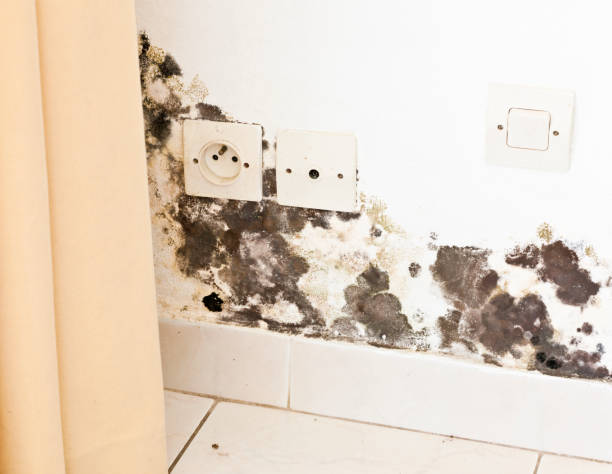
Why Palm Beach Properties Face Unique Signs of hidden mold after a storm in Palm Beach
Several features of Palm Beach’s construction landscape and environment make post-storm mold particularly challenging:
- Proximity to the ocean means ambient humidity rarely drops below 65 to 75 percent, giving mold spores ideal baseline conditions even between rain events
- Many Palm Beach properties feature custom millwork, high-end cabinetry, and architectural details built from porous wood and composite materials, all of which absorb moisture readily
- Older estate properties often have complex roof lines, dormers, and multiple penetrations that provide more potential water entry points
- Landscaped grounds and mature tree canopies can slow sunlight from reaching walls and foundations, keeping surfaces cooler and more conducive to moisture retention
- High-rise and oceanfront condos face wind-driven rain at elevation, which can penetrate window seals and curtain walls in ways that ground-level flooding does not
Property Value Protection: In Palm Beach, unaddressed mold does not just affect health. It directly impacts property values, insurance renewal, and the ability to pass a pre-sale inspection. Early remediation protects the asset.
8 Signs of Hidden Mold After a Storm in Palm Beach
1. Musty or Damp Odor in Enclosed Spaces
The earliest and most reliable indicator of hidden mold is smell. In Palm Beach homes, this odor is most detectable in spaces with limited airflow: walk-in closets, pantries, wine cellars, guest suites with closed doors, and utility rooms.
If your property has been professionally cleaned and you still detect a musty or earthy smell concentrated in specific rooms, do not assume it is residual dampness. It is almost certainly microbial activity from a mold colony feeding on moisture inside a wall, ceiling, or floor assembly.
2. Water Staining on Ceilings and Upper Walls
Yellow-brown ring stains or irregular discoloration appearing on ceilings after a storm trace the path that water took through your roof assembly. Even if these areas feel dry now, the material through which that water traveled insulation, roof decking, drywall held moisture long enough for mold to begin.
In Palm Beach’s older Mediterranean-style and Spanish Colonial properties, roof systems often include barrel tile over felt and wood decking. When storms compromise this assembly, water can travel laterally inside the roof system before dropping to the ceiling, producing stains far from the actual entry point.
3. Paint That Bubbles, Blisters, or Peels
Paint is a relatively vapor-permeable material. When moisture accumulates behind a painted wall, the vapor pressure eventually causes the paint film to separate from the substrate. Blistering, bubbling, or peeling paint that appears days to weeks after a storm is a reliable sign that moisture is still present behind it.
In Palm Beach properties with plaster walls, a variation of this Signs of hidden mold after a storm in Palm Beach appears as hairline cracks or soft, powdery sections developing in areas that were previously sound. Plaster absorbs moisture and, when combined with mold growth behind it, can begin to deteriorate in ways that look more like age than storm damage.
4. Flooring Changes: Softness, Gaps, or Buckling
High-end flooring materials including hardwood, engineered wood, marble, and natural stone can all signal moisture problems. Hardwood cups or warps. Engineered wood delaminates at seams. Natural stone tiles may crack at grout lines as the mortar bed or subfloor beneath shifts from moisture.
In Palm Beach’s oceanfront and Intracoastal properties, flooding events also allow saltwater to infiltrate flooring systems. Saltwater increases the speed of material breakdown and mold proliferation compared to fresh water intrusion.
5. Changes in Indoor Air Quality Noticed by Residents or Guests
Palm Beach residents who spend time between this property and others may notice they feel better when away from a home that has had storm water intrusion.
Persistent fatigue, eye irritation, headache, or a scratchy throat that resolves when leaving the property are classic patterns of low-level mold exposure.
Guests staying in affected properties may report these symptoms after even a brief stay.
Because guests are not habitually exposed, their reactions can actually be more obvious than those of permanent residents who have gradually acclimated to background mold exposure.
When multiple people experience unexplained health symptoms in a property after a storm, professional air quality and mold testing should take priority over any cosmetic repairs.
6. Condensation or Moisture on Interior Surfaces
Surfaces that feel cold or damp to the touch, or that develop visible condensation even when the AC is running, indicate that indoor humidity levels are elevated well beyond normal.
This often occurs after storm events push large amounts of moist air into wall cavities through damaged building envelopes.
In Palm Beach’s oceanfront high-rises, look specifically at the interior faces of exterior glazing, the walls adjacent to sliding balcony doors, and ceiling areas near the building envelope transitions.
These are the zones where wind-driven moisture most commonly breaches the building.
7. Rust or Deterioration on Metal Fixtures and Hardware
Elevated moisture levels cause accelerated corrosion on metal elements inside the property.
When you notice rust spots on cabinet hinges, tarnishing on brass or chrome fixtures, or rust around pipe connections significantly faster than normal, the surrounding environment has sustained moisture levels that also support mold growth.
In Palm Beach kitchens and butler’s pantries with custom cabinetry, the first sign of a hidden moisture problem is often rust or mildew appearing on interior cabinet hardware before any visible mold growth appears on the cabinet faces.
8. Soft or Compromised Structural Elements
Baseboards that feel soft to the touch, door frames that stick or will not close cleanly, and window trim that has developed a spongy texture have all absorbed moisture beyond their tolerance. These are late-stage visual signs that the surrounding structure has been wet long enough to support mold and possibly structural deterioration.
In Palm Beach estate properties with extensive millwork and wood-framed interior elements, this sign requires immediate professional assessment. Mold removal from custom woodwork and millwork requires specialized techniques that standard remediation crews may not have.
Priority Inspection Areas for Signs of hidden mold after a storm in Palm Beach Properties
- Barrel tile roof systems and the wood decking beneath them
- Interior soffits and covered exterior loggia ceilings that faced storm wind
- The wall cavity behind all exterior-facing windows and doors
- Mechanical rooms housing HVAC equipment, especially condensate pans and drain lines
- Wine rooms, temperature-controlled storage areas, and any space with separate climate control
- Pool equipment rooms and pump house enclosures with connections to main residence
- Elevator shafts and mechanical spaces in multi-story properties
- Crawl spaces and under-building garages in properties on elevated foundations
What Not to Do After Suspecting Signs of hidden mold after a storm in Palm Beach Property

- Do not attempt surface cleaning with household products. Consumer-grade mold sprays address surface appearance, not the colony living inside the material.
- Do not have contractors begin cosmetic repairs before mold testing. Painting, re-flooring, or millwork replacement over active mold growth is a temporary and expensive fix.
- Do not delay calling professionals while waiting to see if symptoms resolve. Mold does not resolve on its own in Palm Beach’s coastal climate.
- Do not assume your HVAC is safe to run without inspection. An HVAC system pulling air through a mold-affected zone spreads spores throughout the entire property.
The Correct Response Sequence for Various Signs of hidden mold after a storm in Palm Beach Homes
- Document all storm and post-storm damage thoroughly with photographs and video.
- Contact a certified mold remediation company within 48 hours of water intrusion. IICRC certification is the professional benchmark to look for.
- Notify your insurance provider promptly. High-value property policies often have specific timelines for reporting storm-related damage.
- Ask for a full moisture mapping inspection before any remediation begins. Thermal imaging identifies all affected areas, not just the obvious ones.
- Confirm post-remediation clearance testing is part of the scope. A Palm Beach property is not genuinely safe until air quality testing confirms it.
PuroClean of Plantation serves Palm Beach properties with the same IICRC-certified standards used on commercial and high-value residential jobs. We use non-invasive thermal imaging to locate all mold before opening a single wall.
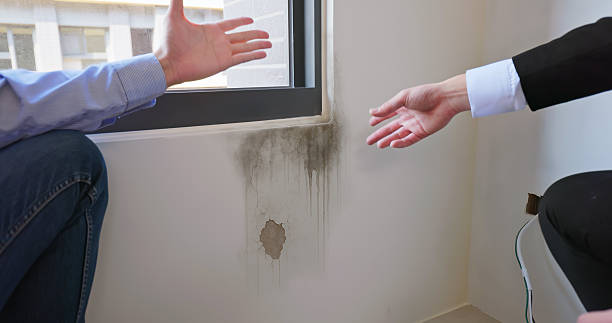
Protect Your Property Long-Term against Signs of hidden mold after a storm in Palm Beach
The investment in a Palm Beach property deserves the same level of professionalism in storm recovery as it does in construction and design. Hidden mold that goes unaddressed does not stay hidden. It degrades materials, reduces indoor air quality, and surfaces eventually on inspection reports and insurance renewals at the worst possible moment.
The most Palm Beach-specific advice is this: do not let the absence of obvious damage lead you to skip a professional assessment after any storm event. The properties that maintain their condition and value through South Florida’s storm seasons are the ones whose owners act quickly and correctly when water enters.

Need mold assessment in Palm Beach? PuroClean of Plantation is available 24/7 with IICRC-certified technicians and thermal imaging equipment.
Call PuroClean of Plantation 24/7: (954) 477-7007