 PuroClean of Plymouth Meeting
Table of Contents
- The Hidden Crisis of Water Damage in Kulpsville Homes | Water Damage Restoration In Kulpsville
- Sign 1: Persistent Musty Odors and Strange Smells
- Sign 2: Visible Discoloration and Water Stains
- Sign 3: Warped Flooring and Structural Changes
- Sign 4: Peeling Paint and Deteriorating Surfaces
- Sign 5: Unexplained Water Bill Increases
- Understanding the Dangers of Delayed Response
- The Science Behind Water Damage Progression
- Health Risks Associated with Water Damage
- How Professional Detection Reveals Hidden Damage
- The Complete Restoration Process Explained
- Working with Insurance for Water Damage Claims
- Selecting Qualified Restoration Professionals
- Long-Term Prevention Strategies for Kulpsville Homes
- Conclusion
Water damage restoration in Kulpsville becomes necessary when you notice five critical warning signs: musty odors indicating hidden moisture or mold growth; visible water stains on ceilings, walls, or floors; warped or buckling flooring materials; peeling paint or wallpaper; and unexplained increases in water bills suggesting hidden leaks. Immediate professional intervention prevents structural damage, mold proliferation, and health hazards. PuroClean of Plymouth Meeting offers 24/7 emergency response to Kulpsville residents, providing comprehensive assessment, advanced moisture detection, and certified restoration services that protect your property value and family’s wellbeing.
The Hidden Crisis of Water Damage in Kulpsville Homes | Water Damage Restoration In Kulpsville
Kulpsville homeowners face unique water damage challenges due to the area’s specific environmental and structural characteristics. This Montgomery County community experiences diverse weather patterns that stress residential plumbing systems and building envelopes throughout the year.
Many Kulpsville properties were constructed during periods when building codes and waterproofing standards differed significantly from modern practices. These older homes contain vulnerabilities that newer construction avoids, making vigilant monitoring essential for property protection.
Water damage often begins silently, hidden within wall cavities, beneath flooring, or above ceilings. By the time visible signs appear, significant damage may already exist. Understanding early warning signs enables intervention before minor issues escalate into major restoration projects.
The financial impact of undetected water damage extends far beyond immediate repair costs. Property value depreciation, increased insurance premiums, and health-related expenses compound the initial damage, making early detection and professional water damage restoration in Kulpsville a critical investment in your property’s future.
Sign 1: Persistent Musty Odors and Strange Smells
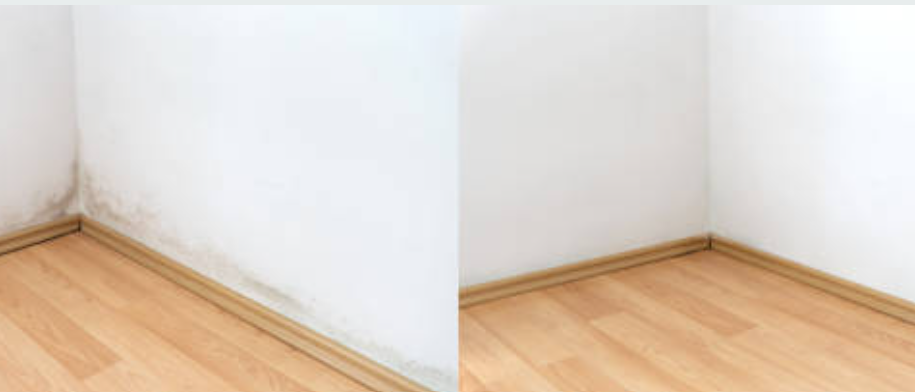
Your nose often detects water damage before your eyes. Persistent musty odors signal microbial growth resulting from sustained moisture exposure, even when visible mold remains absent.
These distinctive smells result from microbial volatile organic compounds (MVOCs) released during mold and bacterial growth. Different organisms produce different odors; some smell earthy or mushroom-like, while others create more pungent, unpleasant scents.
Odors concentrated in specific areas; basements, bathrooms, laundry rooms, or beneath sinks; indicate localized moisture problems requiring investigation. Widespread odors throughout your home suggest more extensive hidden water damage affecting multiple building cavities.
Professional water damage restoration in Kulpsville begins with comprehensive odor source identification. Technicians use moisture meters and thermal imaging to locate hidden moisture feeding microbial growth, addressing root causes rather than masking symptoms with air fresheners.
Ignoring musty odors allows continued microbial proliferation that damages building materials and threatens respiratory health. Mold spores, bacteria, and fungi thrive in moisture-rich environments, releasing allergens and potential toxins into your home’s air.
Early intervention prevents minor mold issues from becoming extensive remediation projects. Professional assessment determines whether odors indicate simple moisture problems or require comprehensive mold remediation in King of Prussia area protocols.
Sign 2: Visible Discoloration and Water Stains
Water stains announce moisture problems in unmistakable visual terms. Ceiling stains often appear as irregular yellowish, brownish, or rust-colored rings indicating leaks from above; whether from roof penetration, plumbing failures, or HVAC condensation issues.
Wall discoloration patterns reveal water’s migration path through building materials. Stains emanating from baseboards suggest foundation leaks or flooding, while mid-wall stains indicate plumbing failures within wall cavities.
Fresh water stains appear darker and feel damp to touch, while older stains dry into lighter discoloration. However, dry stains don’t mean resolved problems; moisture may have migrated deeper into materials or the source could be intermittent.

Ceiling stains accompanied by sagging drywall indicate significant water accumulation overhead. This situation presents structural risks and potential ceiling collapse hazards requiring immediate professional intervention.
Professional assessment determines whether visible staining represents isolated incidents or ongoing problems. Advanced moisture detection reveals the full extent of damage beyond visible indicators, preventing incomplete repairs that lead to recurring issues.
Similar concerns addressed in water damage restoration in Center Square tips apply equally to Kulpsville properties, as these neighboring communities share construction characteristics.
Sign 3: Warped Flooring and Structural Changes
Flooring changes announce significant moisture problems affecting structural elements. Hardwood floors showing cupping (edges higher than centers), crowning (centers higher than edges), or buckling indicate substantial moisture absorption.
Laminate flooring responds dramatically to water exposure, swelling at seams and edges while losing its smooth appearance. These changes occur rapidly with acute water exposure or gradually with chronic moisture problems.
Carpet bubbling, wrinkling, or developing soft spots signals water damage to padding and subflooring beneath. Walking on affected carpeting may produce squishing sounds or release water from saturated padding.
Tile floors developing loose tiles, grout cracking, or lippage (uneven tile heights) suggest moisture compromising the substrate. Water infiltrating beneath tiles damages adhesives and promotes microbial growth in dark, moist conditions.
Structural floor changes extend beyond aesthetic concerns. Water-damaged subflooring loses load-bearing capacity, creating safety hazards and potentially leading to floor system failure. Moisture-weakened floor joists may sag or crack, requiring extensive reconstruction.
Professional evaluation determines whether flooring changes result from surface water exposure or indicate deeper structural saturation. Early intervention often allows material salvage, while delayed response necessitates complete replacement.
Sign 4: Peeling Paint and Deteriorating Surfaces
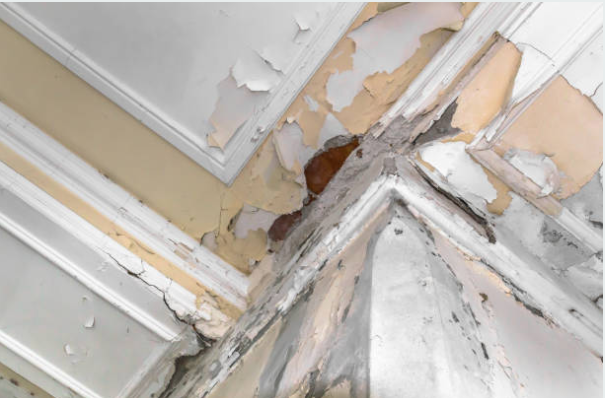
Paint serves as your home’s protective skin; when it fails, underlying problems demand attention. Peeling, bubbling, or flaking paint indicates moisture pushing through from behind, overwhelming paint’s adhesion.
Interior paint bubbling suggests water migrating through walls from plumbing leaks, exterior water intrusion, or condensation within wall cavities. These bubbles contain water or moisture vapor seeking escape routes through your wall’s surface.
Wallpaper peeling at seams or developing bubbles follows similar moisture-driven patterns. Wallpaper paste loses adhesion when wet, and prolonged moisture exposure promotes mold growth between wallpaper and wall surfaces.
Exterior paint problems often precede interior water damage. Peeling or blistering exterior paint indicates moisture escaping through walls, suggesting inadequate vapor barriers or water intrusion from failed weather barriers.
Caulking failures around tubs, showers, windows, and doors create water intrusion pathways. Cracked, missing, or deteriorated caulk allows water penetration into wall cavities, where damage progresses invisibly.
Addressing surface deterioration requires fixing underlying moisture sources, not just repainting. Professional water damage restoration in Kulpsville identifies root causes, eliminates moisture problems, and restores surfaces properly to prevent recurrence.
Sign 5: Unexplained Water Bill Increases
Your water bill tells stories about your plumbing system’s health. Sudden increases without corresponding usage changes signal hidden leaks wasting water and potentially causing extensive damage.
Small continuous leaks add up dramatically over billing cycles. A toilet flapper leak wastes hundreds of gallons daily, while a pinhole pipe leak can release thousands of gallons monthly; all while damaging surrounding materials.
Seasonal bill variations help identify outdoor irrigation leaks, while consistent increases suggest indoor plumbing failures. Comparing current bills to previous years’ same-period bills reveals abnormal patterns requiring investigation.
Hidden leaks often occur in inaccessible locations; beneath concrete slabs, within wall cavities, or underground between the main and your home. These leaks cause extensive damage before producing visible signs.
Professional leak detection uses acoustic sensors, thermal imaging, and tracer gases to locate hidden leaks without destructive investigation. This technology pinpoints problems precisely, minimizing repair invasiveness and costs.
Monitoring water meter activity reveals leaks even when bills haven’t arrived yet. Turn off all water-using devices and appliances; if your meter continues registering flow, leaks exist somewhere in your system.
Understanding sink overflow causes helps prevent one common source of water damage that many homeowners overlook until serious problems develop.
Understanding the Dangers of Delayed Response
Time transforms minor water incidents into major disasters. Within 24 hours of water exposure, materials begin deteriorating and microbial growth initiates on damp surfaces.
Structural damage accelerates exponentially with delayed response. Wood structural elements absorb moisture, swell, lose strength, and begin rotting. Drywall saturates, loses integrity, and requires replacement rather than simple drying.
Mold proliferation begins within 48 hours of water exposure. Once established, mold colonies spread rapidly, releasing spores throughout your home and requiring expensive remediation beyond basic water damage restoration in Kulpsville services.
Electrical hazards intensify as water contacts wiring, outlets, and electrical panels. Water and electricity create dangerous combinations that threaten life safety and can cause fires even after visible water disappears.
Health risks multiply with exposure duration. Contaminated water harbors bacteria, viruses, and parasites that cause illness. Even clean water becomes contaminated as it dissolves chemicals from building materials and absorbs pollutants.
Financial impacts compound through secondary damage. Initial water extraction might cost hundreds of dollars, while delayed response requiring mold remediation and structural repairs can cost tens of thousands.
Insurance complications arise when delayed response allows preventable damage to occur. Policies typically cover sudden, accidental water damage but may deny claims for damage resulting from negligent maintenance or delayed response to known problems.
The Science Behind Water Damage Progression
Understanding water behavior in building materials helps appreciate professional restoration’s importance. Water follows gravity and capillary action, migrating through porous materials far beyond initial contact points.
Different materials absorb water at different rates and capacities. Drywall and insulation absorb water readily and hold it tenaciously, while non-porous materials like metal and glass shed water quickly.
Evaporation rates depend on temperature, humidity, airflow, and material properties. Professional restoration manipulates these variables, creating optimal drying environments that natural conditions cannot replicate.
Water categories classify contamination levels and required cleaning protocols. Category 1 (clean water from supply lines) poses minimal health risks, while Category 3 (sewage, flooding) requires extensive sanitization and safety precautions.
Damage classes rate severity based on evaporation rates and affected materials. Class 1 involves minimal absorption and small areas, while Class 4 includes specialty drying situations like hardwood floors, plaster, or concrete requiring extended drying times.
Moisture content measurement provides objective restoration progress tracking. Materials have specific moisture content standards; exceeding these indicates incomplete drying requiring continued treatment.
Professional protocols based on established science ensure complete restoration. Industry standards developed through decades of research guide qualified technicians toward effective, efficient restoration outcomes.
Health Risks Associated with Water Damage
Water damage creates numerous health hazards requiring professional remediation. Mold exposure triggers allergic reactions, respiratory problems, and in immunocompromised individuals, serious infections.
Bacterial contamination from flooding or sewage backups introduces pathogens causing gastrointestinal illness, skin infections, and more serious diseases. Category 3 water requires protective equipment and specialized sanitization procedures.
Volatile organic compounds released from wet building materials, microbial growth, and chemical reactions create indoor air quality problems. These compounds cause headaches, dizziness, respiratory irritation, and long-term health effects.
Structural instability from water-damaged building elements creates physical injury risks. Weakened floors, ceilings, and stairs may collapse without warning, causing serious injuries to occupants.
Electrical hazards persist long after visible water disappears. Moisture within electrical systems creates shock and fire risks requiring professional electrical inspection and possible component replacement.
Vulnerable populations; children, elderly, and those with respiratory conditions or compromised immune systems; face elevated risks from water damage exposures. Professional restoration protects these individuals through thorough remediation and sanitization.
Mental health impacts accompany physical risks. The stress of property damage, displacement during restoration, and financial concerns creates anxiety and depression requiring recognition and support.
How Professional Detection Reveals Hidden Damage
Professional moisture detection technology sees what human inspection misses. Thermal imaging cameras visualize temperature differences indicating moisture presence behind surfaces without invasive investigation.
Infrared technology detects evaporative cooling from wet materials, appearing as cooler spots on thermal images. This non-destructive evaluation maps moisture distribution throughout affected areas.
Moisture meters quantify water content in materials with precision impossible through visual inspection. Pin-type meters penetrate surfaces for depth readings, while non-invasive meters scan without causing damage.
Hygrometers measure environmental relative humidity, revealing atmospheric moisture levels that indicate drying progress and identify areas requiring continued treatment.
Thermal hygrometers combine temperature and humidity measurement, calculating dew point and vapor pressure; critical factors in preventing condensation and optimizing drying strategies.
Borescopes allow visual inspection within wall cavities, beneath floors, and above ceilings without extensive demolition. These fiber-optic cameras reveal hidden damage, guiding precise repair approaches.
Moisture mapping documents water distribution patterns, tracking migration through building assemblies and identifying source locations. These maps guide restoration planning and insurance documentation.
Professional expertise interprets equipment readings accurately. Technology provides data; experienced technicians translate that data into effective restoration strategies protecting your property.
Resources about emergency water damage mitigation explain how rapid professional intervention minimizes hidden damage before it becomes extensive.
The Complete Restoration Process Explained
Professional water damage restoration in Kulpsville follows systematic protocols ensuring thorough, effective remediation. The process begins with emergency contact and rapid deployment to your property.
Initial assessment evaluates safety hazards, water source, damage extent, and required resources. Technicians classify water category and damage class, establishing restoration scope and timeline.
Water extraction removes standing water using powerful truck-mounted and portable equipment. Industrial extractors remove thousands of gallons hourly, preventing continued absorption into materials.
Moisture detection using advanced equipment maps full damage extent, including hidden moisture. This comprehensive evaluation prevents incomplete drying that causes future problems.
Controlled drying employs industrial air movers and dehumidifiers, creating optimal environments for rapid, complete moisture removal. Equipment placement follows scientific principles maximizing efficiency.
Cleaning and sanitization eliminate contaminants introduced by water damage. Antimicrobial treatments prevent mold growth while protecting occupant health and safety.
Restoration and reconstruction return your property to pre-damage condition. Minor repairs might involve simple drywall replacement, while extensive damage requires comprehensive reconstruction.
Final inspection verifies complete moisture removal and proper restoration. Documentation provides insurance evidence and warranty support for completed work.
Throughout the process, communication keeps you informed about progress, expected timelines, and any changes in project scope. Professional companies prioritize customer satisfaction through transparent, consistent updates.
For homeowners in neighboring communities, similar processes apply; learn more through resources about water damage restoration in Ambler proven steps and water damage restoration in Abington every steps.
Working with Insurance for Water Damage Claims
Insurance coverage for water damage depends on cause, timing, and policy specifics. Most homeowner policies cover sudden, accidental water damage while excluding gradual damage from maintenance neglect.
Immediate notification to your insurance company starts the claims process. Delays can jeopardize coverage, so contact your insurer as soon as you discover damage.
Documentation proves essential for successful claims. Photograph and video all damage before any cleanup, capturing comprehensive evidence for adjusters.
Professional restoration companies often provide Insurance Assistance, coordinating directly with adjusters and claims processors. This service eliminates confusion about coverage, approved repairs, and payment procedures.
PuroClean’s Certified Priority Response (CPR) Program employs strict certification standards and clear protocols earning insurance company trust. Pre-approved scopes prevent coverage disputes while controlling costs through efficient restoration.
Understanding your policy’s terms prevents claim surprises. Review coverage limits, deductibles, exclusions, and special conditions before damage occurs. Many policies exclude flood damage, requiring separate flood insurance.
Claims adjusters evaluate damage and determine covered repairs. Professional restoration estimates help ensure adjusters understand full restoration requirements, preventing underpayment.
Keep detailed records of all expenses related to water damage. Temporary housing, meals, emergency repairs, and other costs may qualify for reimbursement under additional living expense coverage.
Selecting Qualified Restoration Professionals
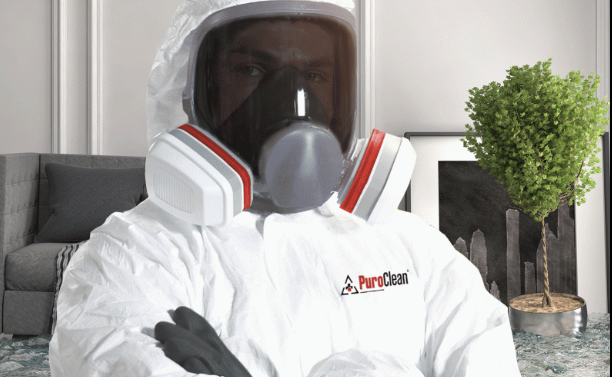
Choosing the right water damage restoration in Kulpsville provider determines restoration success and stress levels. Certification from recognized organizations like IICRC demonstrates technicians possess proper training and follow industry standards.
Local experience matters significantly. Companies serving Kulpsville understand regional construction methods, local climate challenges, and area building codes affecting restoration approaches.
True 24/7 emergency availability ensures rapid response when disaster strikes. Companies with actual emergency crews, not just answering services, provide immediate intervention minimizing damage.
Comprehensive capabilities eliminate coordination headaches. Single-source providers handling everything from water extraction through final reconstruction offer seamless project management and clear accountability.
Advanced equipment indicates professional commitment to quality. Industrial-grade air movers, dehumidifiers, moisture detection tools, and cleaning equipment enable thorough, efficient restoration.
Reviews and references reveal company reputation and customer satisfaction. Research thoroughly, checking multiple review platforms and requesting references from similar projects.
Transparent pricing prevents financial surprises. Reputable companies provide detailed estimates explaining costs and processes, avoiding vague pricing that leads to disputes.
PuroClean of Plymouth Meeting serves Kulpsville and surrounding communities including Abington, Ambler, Blue Bell, Center Square, Fort Washington, Harleysville, Horsham, Plymouth Meeting, Maple Glen, Montgomeryville, North Wales, Prospectville, Roslyn, Schwenksville, Skippack, Spring House, Spring Mount, Willow Grove, and Woxall.
Understanding professional mold removal cost in Montgomery County helps budget for potential additional services when water damage includes mold growth.
Long-Term Prevention Strategies for Kulpsville Homes
Prevention requires less investment than restoration. Regular maintenance catches problems before they cause damage, protecting property value and family wellbeing.
Annual plumbing inspections identify developing issues. Professional plumbers detect corrosion, failing connections, and aging components before catastrophic failures occur.
Replace appliance supply hoses every five years, regardless of appearance. Rubber hoses deteriorate internally before showing external damage; braided stainless steel hoses offer superior failure resistance.
Maintain proper grading around your foundation, ensuring ground slopes away from your home. Water pooling against foundations creates hydrostatic pressure forcing water through cracks and porous materials.
Clean gutters and downspouts seasonally, removing debris that causes overflows. Extend downspouts at least five feet from your foundation, directing water away from your home.
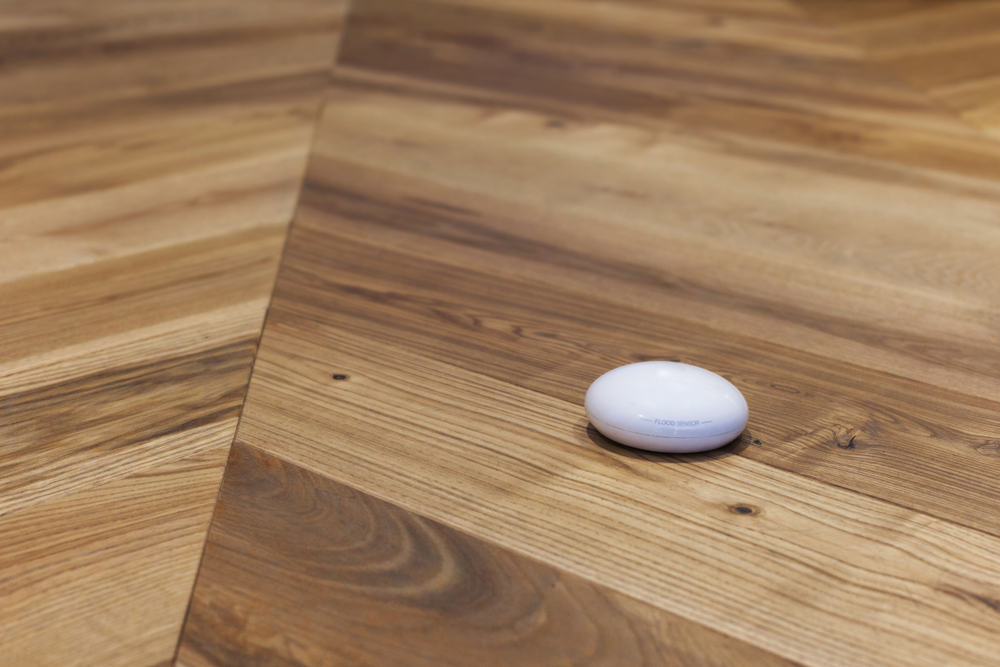
Install water detection alarms near water heaters, under sinks, near washing machines, and in basements. These inexpensive devices provide early warning enabling intervention before significant damage occurs.
Know your home’s main water shut-off location and ensure all household members understand shutdown procedures. Quick action during plumbing failures minimizes water release and damage.
Insulate pipes in unheated spaces, protecting against freeze damage during winter cold snaps. Even brief exposure to below-freezing temperatures can burst unprotected pipes.
Consider smart home water monitoring systems that automatically shut off water when unusual flow patterns indicate leaks. These systems provide protection even when you’re away from home.
Schedule professional inspections for vulnerable areas like basements, crawl spaces, and attics. Regular reviews catch hidden problems before they become emergencies.
Additional prevention strategies detailed in guides about damage restoration in Royersford and 5 proven methods for water damage restoration in Harleysville apply equally to Kulpsville properties.
Understanding asbestos abatement considerations proves important for older Kulpsville homes where water damage restoration may encounter hazardous materials requiring specialized handling.
Conclusion
Recognizing the five critical warning signs requiring water damage restoration in Kulpsville; persistent musty odors, visible water stains, warped flooring, peeling paint, and unexplained water bill increases; enables early intervention that protects your property, health, and finances.
Water damage rarely announces itself dramatically. Instead, it whispers through subtle signs that homeowners often overlook or dismiss until major problems develop. Vigilance and prompt professional response transform potential disasters into manageable restoration projects.
Professional water damage restoration in Kulpsville provides comprehensive solutions addressing visible damage and hidden moisture that causes future problems. Advanced detection technology, industrial drying equipment, and certified expertise ensure thorough restoration protecting your investment.
Understanding restoration processes, insurance procedures, and prevention strategies empowers informed decision-making when water damage occurs. Knowledge combined with qualified professional assistance produces optimal outcomes minimizing stress and costs.
PuroClean of Plymouth Meeting stands ready 24/7 to respond to water damage emergencies throughout Kulpsville and surrounding Montgomery County communities. Our certified technicians bring advanced equipment, proven expertise, and genuine care for your property’s restoration.
Located at 1609 Ridgeway Rd, Havertown, PA 19083, we serve both residential and commercial properties, working with homeowners, property managers, and insurance agents to deliver efficient, cost-effective restoration services.
Prevention remains your best protection against water damage. Regular maintenance, early detection systems, and prompt response to warning signs minimize risks and preserve your property’s value and your family’s safety.

 PuroClean of Plymouth Meeting