


Table of Contents
Water damage restoration in Harleysville involves a comprehensive multi-phase approach including immediate emergency response, water extraction, structural drying, antimicrobial treatment, and complete restoration. Professional restoration requires IICRC-certified technicians using thermal imaging, moisture meters, industrial dehumidifiers, and air movers to detect hidden moisture and ensure thorough drying. The process typically takes 3-7 days depending on damage severity, water category, and affected materials. Harleysville property owners should seek restoration companies offering 24/7 emergency services, direct insurance billing, and local expertise to minimize damage costs and ensure complete property recovery.
hy Harleysville Properties Are Vulnerable to Water Damage | Water Damage Restoration In Harleysville
Harleysville’s unique geographic and climatic characteristics create specific water damage vulnerabilities that property owners must understand. The area’s location in Montgomery County, combined with its mix of historic and modern construction, presents distinct challenges for water damage prevention and restoration.
The region experiences significant seasonal temperature variations, creating freeze-thaw cycles that stress plumbing systems and building materials. Winter temperatures regularly drop below freezing, causing pipes in unheated spaces to freeze and potentially burst. When temperatures rise, the thawing process can reveal hidden damage that accumulated during cold months. This cyclical stress contributes to plumbing failures that require immediate water damage restoration in Harleysville.
Harleysville’s housing stock includes numerous properties built before modern building codes established current waterproofing standards. These older homes often have basement foundation issues, outdated plumbing systems, and insufficient drainage solutions. While charming and well-constructed in many respects, these properties require additional vigilance regarding water damage prevention.
Storm water management presents ongoing challenges for Harleysville properties. Heavy rainfall events, increasingly common due to changing climate patterns, can overwhelm drainage systems and cause surface water to accumulate near foundations. Properties in low-lying areas face higher flooding risks during severe weather events.

The local water table and soil composition affect how water behaves around foundations. Clay-heavy soils common in the Harleysville area retain moisture, creating hydrostatic pressure against foundation walls. This pressure can force water through foundation cracks, causing chronic basement moisture problems that escalate into significant water damage without proper intervention.
Recognizing the Early Warning Signs of Water Damage
Early detection dramatically improves water damage restoration outcomes and reduces costs. Property owners who recognize warning signs can act quickly, preventing minor issues from becoming major disasters requiring extensive water damage restoration in Harleysville.
Musty odors often provide the first indication of hidden water problems. These smells result from mold growth, which begins within 24-48 hours of water exposure. If you notice persistent musty odors, particularly in basements, bathrooms, or near plumbing fixtures, investigate immediately. The source might be a slow leak causing hidden damage behind walls or under floors.
Discoloration and staining on walls, ceilings, or floors signal water infiltration. Water stains typically appear as yellowish or brownish patches, often with darker edges. Ceiling stains directly below bathrooms or plumbing fixtures indicate leaking pipes or fixtures. Wall stains near windows or along exterior walls suggest roof leaks or exterior water penetration.
Changes in wall or floor texture indicate moisture damage. Paint or wallpaper that bubbles, peels, or appears loose suggests water behind the surface. Warped or buckling hardwood floors, curling vinyl tiles, or soft spots in flooring all point to moisture problems requiring professional assessment.
Increased utility bills without corresponding usage changes can indicate hidden water leaks. A continuously running toilet, underground pipe leak, or slow plumbing leak wastes significant water over time. Monitor your water bills for unexplained increases; a sudden spike often indicates a leak requiring immediate attention.
Visible mold growth anywhere in your property demands immediate action. While small amounts of mold in naturally humid areas like bathrooms aren’t unusual, extensive growth or mold in unexpected locations indicates moisture problems. Never ignore mold; it signals water damage and poses health risks. Professional mold remediation services can address both the mold and underlying moisture issues.
Sounds of running water when fixtures are off indicate hidden leaks. If you hear water flowing through pipes when everything is turned off, you likely have a leak somewhere in your system. Shut off the main water supply and contact a plumber immediately to locate and repair the leak.
Understanding Different Categories of Water Damage
Water damage classification helps restoration professionals determine appropriate treatment methods and safety precautions. Understanding these categories helps property owners recognize the seriousness of different water damage scenarios requiring water damage restoration in Harleysville.
Category 1: Clean Water
Clean water originates from sanitary sources like broken water supply lines, tub or sink overflows (without contaminants), or rainwater that hasn’t contacted contaminated surfaces. While Category 1 water starts clean, it can degrade to Category 2 if left standing or if it contacts contaminated materials. Clean water damage still requires prompt professional restoration to prevent mold growth and material damage, but it poses minimal health risks during cleanup.
Category 2: Gray Water
Gray water contains significant contamination that could cause discomfort or illness if consumed or contacted. Sources include washing machine overflow, dishwasher leaks, toilet overflow with urine (no feces), and sump pump failures. Gray water may contain bacteria, detergents, or other chemicals. Restoration requires more extensive precautions and antimicrobial treatment. Category 2 water degrades to Category 3 within 48 hours.
Category 3: Black Water
Black water is grossly contaminated and poses serious health risks. Sources include sewage backups, flooding from rivers or streams, toilet overflow with feces, and any standing water that has supported microbial growth. Black water contains harmful bacteria, fungi, viruses, and parasites. Restoration requires extensive safety equipment, specialized cleaning protocols, and often material disposal rather than cleaning. Never attempt DIY cleanup of black water damage; professional services are essential for safety.
Understanding water categories helps explain why professional restoration costs vary. Category 1 water damage caught early might cost a few thousand dollars to remediate. Category 3 water damage often costs significantly more due to safety requirements, disposal needs, and extensive sanitization protocols.
The Hidden Costs of Delayed Water Damage Restoration In Harleysville
Postponing professional water damage restoration creates cascading problems that exponentially increase costs and complications. Understanding these hidden costs motivates quick action when water damage occurs in your Harleysville property.
Structural damage accelerates rapidly after water exposure. Wood framing members that contact water begin swelling immediately, potentially causing dimensional changes that affect structural integrity. Prolonged exposure leads to wood rot, requiring replacement of support members rather than simple drying. What might have been a $3,000 restoration project within 24 hours can escalate to $15,000 or more after a week of delay.
Mold remediation adds substantial costs to delayed restoration projects. Preventing mold growth costs nothing beyond proper drying. Remediating established mold growth can add $2,000-$10,000 or more to restoration costs, depending on affected area size and contamination extent. Some insurance policies have limited mold coverage, potentially leaving property owners responsible for these costs.
Secondary water damage extends far beyond the initial affected area. Water wicks through porous materials, traveling along wall cavities, through insulation, and across flooring systems. A bathroom leak ignored for days can damage adjoining rooms, floor levels, and even compromise entire structural systems. This spreading damage requires more extensive restoration than the original problem.
Health impacts from delayed restoration create both direct and indirect costs. Mold exposure can trigger respiratory problems, allergic reactions, and other health issues requiring medical treatment. Some individuals develop chronic sensitivity to mold, creating ongoing health management needs. Additionally, living in a damaged property during extended restoration periods creates stress and potential temporary housing costs.
Insurance complications frequently arise from delayed restoration. Most policies require prompt action to mitigate damage. Delays in reporting water damage or beginning restoration can provide insurers grounds for reducing or denying claims. Some policies have specific timeframe requirements for water damage notification; missing these deadlines can void coverage entirely.
Property value depreciation results from inadequate restoration or delayed intervention. Properly restored properties maintain their value; properties with hidden water damage, lingering odors, or visible water damage evidence lose value significantly. Disclosure requirements during property sales mandate revealing water damage history, and buyers typically negotiate substantial price reductions for properties with damage history.
How Professional Equipment Makes a Difference in Restoration
The equipment gap between professional water damage restoration in Harleysville and DIY attempts dramatically impacts outcomes. Understanding professional equipment capabilities helps property owners appreciate the value of professional services.
Industrial water extractors remove hundreds of gallons per minute, compared to shop vacuums that remove a few gallons. This extraction speed prevents water from penetrating deeper into materials and reduces overall drying time. Professional extractors use powerful vacuum systems with specialized wands designed for different surface types, from carpets to hardwood floors to concrete.
Commercial-grade dehumidifiers far exceed consumer models in moisture removal capacity. A typical home dehumidifier removes 50-70 pints daily; industrial models remove 150-200+ pints daily. Professional restoration companies deploy multiple units strategically throughout affected areas, creating optimal drying conditions regardless of ambient humidity or temperature. Desiccant dehumidifiers, which work differently than refrigerant models, excel in colder conditions and achieve lower target humidity levels.
Air movers create critical air circulation that accelerates evaporation. These high-velocity fans move thousands of cubic feet per minute across wet surfaces, promoting rapid moisture evaporation. Professional technicians position air movers strategically based on psychrometric calculations, ensuring efficient drying without causing additional damage.
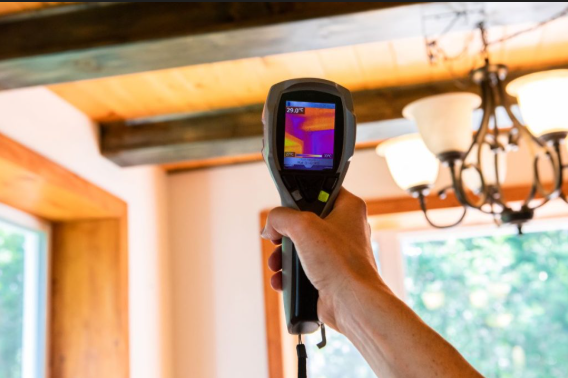
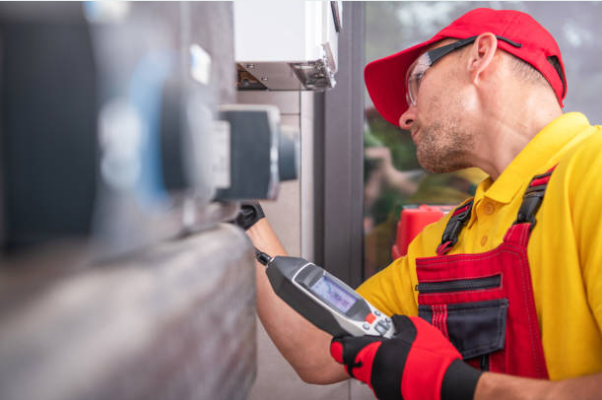
Moisture detection equipment enables comprehensive assessment that’s impossible without professional tools. Thermal imaging cameras detect temperature variations indicating hidden moisture behind walls, ceilings, and floors. Moisture meters provide precise readings of material moisture content, allowing technicians to track drying progress objectively. Hygrometers measure ambient humidity, helping technicians adjust equipment for optimal performance.
Specialized cleaning equipment ensures proper sanitization and deodorization. Truck-mounted extraction systems provide superior cleaning for carpets and upholstery. Air scrubbers with HEPA filtration remove airborne contaminants released during restoration. Hydroxyl generators and ozone machines eliminate persistent odors at the molecular level, rather than simply masking them.
The cost of owning and maintaining this equipment portfolio represents a significant investment that professional companies make to serve their clients effectively. When you hire professional water damage restoration in Harleysville, you’re accessing hundreds of thousands of dollars in specialized equipment without capital investment.
Seasonal Water Damage Challenges Specific to Harleysville
Harleysville’s distinct seasons create unique water damage risks throughout the year, requiring adapted prevention strategies and restoration approaches for different times of year.
Winter Challenges: Freeze and Burst Pipe Season
Winter presents Harleysville’s most severe water damage risks. Frozen pipes in exterior walls, unheated crawl spaces, and attics can burst when expanding ice stresses pipe materials beyond their limits. The subsequent thaw releases significant water volumes into building cavities. Prevention includes maintaining adequate heating, insulating vulnerable pipes, and allowing faucets to drip during extreme cold. Ice dams on roofs create another winter challenge, forcing water under shingles and into attic spaces. Proper attic insulation and ventilation prevent ice dam formation.
Spring Challenges: Heavy Rainfall and Snowmelt
Spring combines snowmelt with heavy rainfall, creating substantial water management challenges. Gutters and downspouts must handle increased water volumes while ground saturation reduces soil absorption capacity. Basement flooding risks peak during spring as groundwater levels rise and surface water accumulates near foundations. Sump pumps face their highest demand; failure during spring storms can cause extensive basement flooding requiring professional cleanup.
Summer Challenges: Storm Damage and HVAC Issues
Summer storms can produce intense rainfall overwhelming drainage systems. High humidity levels slow drying processes, complicating restoration efforts. Air conditioning systems generate condensation; drain line clogs or pan leaks can cause significant water damage. Regular HVAC maintenance prevents these issues. Summer also brings risks of property damage during storms that can affect roofing and exterior water management systems.
Fall Challenges: Preparation for Winter
Fall requires preparing properties for winter challenges ahead. Clean gutters of leaves and debris, inspect roofing for damage, and ensure proper drainage before winter freezing. Test sump pumps and backup systems. Service heating systems to ensure they’ll maintain adequate temperatures during winter. Fall preparation prevents many winter water damage incidents.
Professional water damage restoration in Harleysville accounts for these seasonal variations, adapting techniques and equipment deployment to match seasonal conditions and their specific challenges.
The Role of Certified Technicians in Successful Restoration | Water Damage Restoration In Harleysville
Certification and training distinguish professional restoration technicians from well-meaning but under-qualified service providers. Understanding what certified technicians bring to water damage restoration in Harleysville helps property owners make informed hiring decisions.
IICRC (Institute of Inspection, Cleaning and Restoration Certification) represents the industry’s gold standard for restoration professional certification. IICRC certification requires comprehensive training in water damage restoration science, including understanding psychrometry, moisture dynamics, structural drying, antimicrobial treatment, and proper documentation. Technicians must pass rigorous examinations demonstrating mastery of restoration principles.
Certified technicians understand building science beyond surface-level knowledge. They comprehend how water moves through different building materials, how various materials respond to water exposure, and which materials can be saved versus which require replacement. This knowledge prevents both under-remediation (leaving hidden moisture) and over-remediation (unnecessary material removal).
Equipment operation expertise ensures optimal restoration outcomes. Professional equipment requires skilled operation; simply owning industrial dehumidifiers doesn’t guarantee effective use. Certified technicians understand equipment placement strategies, when to use different equipment types, and how to adjust operations based on monitoring data. They make real-time decisions based on psychrometric principles, adjusting equipment configurations to maximize efficiency.
Documentation skills protect property owners during insurance claims. Certified technicians create detailed damage assessments, equipment logs, moisture readings, and photographic documentation that insurance adjusters require. Poor documentation can jeopardize claims; professional documentation supports fair claim settlements.
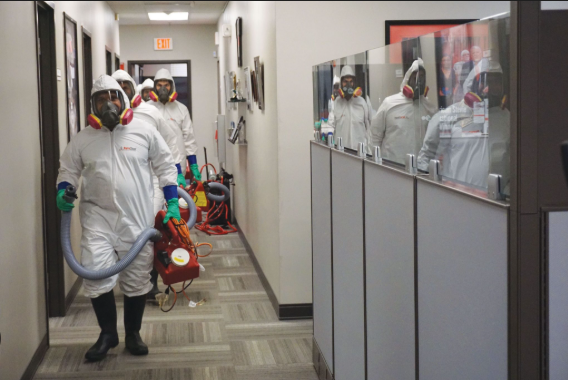
Safety protocol knowledge protects both technicians and property occupants. Water damage restoration involves electrical hazards, structural instability risks, and potential exposure to contaminated water and mold. Certified technicians follow established safety protocols, use appropriate personal protective equipment, and recognize when situations require additional expertise or equipment.
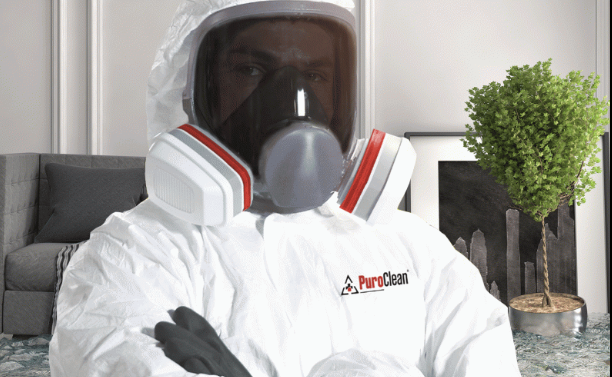
Continuing education requirements ensure certified technicians stay current with industry advances. Restoration technology, techniques, and standards evolve continuously. IICRC requires continuing education for certification renewal, ensuring technicians maintain knowledge of current best practices and emerging technologies.
Navigating the Insurance Claims Process Effectively | Water Damage Restoration In Harleysville
Insurance claims for water damage can feel overwhelming, but understanding the process and working with experienced restoration companies simplifies the experience and improves outcomes for Harleysville property owners.
Immediate notification to your insurance carrier is essential. Most policies require prompt notification of losses. Even if you’re unsure whether damage meets your deductible, report the incident. Failure to report promptly can jeopardize coverage. Document the damage with photos and videos before any cleanup to provide evidence for adjusters.
Understanding coverage and exclusions prevents surprise denials. Standard homeowners policies typically cover sudden and accidental water damage (burst pipes, appliance failures) but exclude gradual damage from maintenance failures or flooding from external water sources. Flood insurance requires separate policies. Review your policy or discuss coverage with your agent to understand what’s covered.
Professional restoration companies familiar with insurance processes provide invaluable assistance. They communicate directly with adjusters, provide detailed estimates, and explain damage in industry-standard terminology that adjusters understand. Companies offering programs like Certified Priority Response have established relationships with major insurance carriers, streamlining the approval process.
Emergency mitigation services are typically covered even before full claim approval. Insurance policies generally require policyholders to prevent additional damage. Emergency water extraction, initial drying, and securing the property against further damage usually receive immediate approval, allowing restoration to begin while the full claim processes.
Adjuster inspections determine claim settlements. Insurance adjusters assess damage, verify coverage, and determine claim values. Having professional restoration company representatives present during inspections ensures accurate damage assessment. Restoration professionals can point out hidden damage and explain why certain repairs are necessary.
Depreciation versus replacement cost affects claim settlements. Actual Cash Value policies pay depreciated value of damaged materials. Replacement Cost policies pay full replacement cost but often require you to complete repairs before receiving full payment. Understand which coverage type your policy provides to avoid financial surprises.
Supplemental claims address damage discovered during restoration. Sometimes hidden damage becomes apparent only after restoration begins. Professional restoration companies document newly discovered damage and coordinate supplemental claims with adjusters, ensuring comprehensive coverage of all damage.
Long-Term Property Protection After Water Damage
Successfully completing water damage restoration in Harleysville creates an opportunity to implement improvements that prevent future incidents and enhance property resilience against water damage.
Upgraded plumbing systems reduce future leak risks. If water damage resulted from aging plumbing, consider comprehensive repiping during restoration. Modern PEX or copper piping systems offer superior reliability compared to galvanized or polybutylene pipes. Replacing angle stops, supply lines, and fixture connections during restoration prevents future failures in these common problem areas.
Enhanced waterproofing protects vulnerable areas. If basement water infiltration caused damage, invest in comprehensive basement waterproofing during restoration. Solutions include interior drainage systems, sump pump installations with battery backup, exterior waterproofing membranes, and foundation crack repairs. These investments provide long-term protection against recurring basement water problems.
Improved drainage systems direct water away from foundations effectively. Restoration presents opportunities to extend downspouts, regrade landscapes for proper drainage, and install French drains or dry wells to manage surface water. Preventing water accumulation near foundations eliminates a primary water damage source.
Water detection and automatic shutoff systems provide early warning and protection. Install leak detection sensors near water heaters, under sinks, near washing machines, and in basements. Advanced systems connect to automatic shutoff valves that stop water flow when leaks are detected, preventing catastrophic damage when you’re away from home. Understanding common sink overflow causes can help you place sensors strategically.
Regular maintenance schedules prevent many water damage incidents. Create inspection routines for vulnerable systems; check supply lines quarterly, test sump pumps monthly, inspect roofs annually, and maintain gutters semi-annually. Professional plumbing inspections every few years identify developing problems before they cause damage.
Documentation and preparedness facilitate rapid response to future incidents. Maintain photos of your restored property as a “pre-loss” baseline. Keep restoration company contact information readily available. Know your main water shutoff location and ensure all household members understand how to use it. Preparation enables quick action if water damage occurs again.
Choosing Between DIY and Professional Restoration Services
Property owners facing water damage often debate attempting DIY restoration versus hiring professionals. Understanding the realistic capabilities and limitations of DIY approaches helps make informed decisions about water damage restoration in Harleysville.
When DIY Might Be Appropriate
Very minor water damage from clean sources might be manageable DIY. If you’ve caught a small leak immediately, extracted water promptly with household tools, and affected materials are minimal (small carpet area, non-porous flooring), DIY drying might succeed. However, even seemingly minor damage often has hidden components requiring professional assessment.
When Professional Service Is Essential
Professional water damage restoration in Harleysville becomes essential in most scenarios. Category 2 or 3 water requires professional handling due to contamination. Any damage affecting building materials (drywall, wood framing, insulation) needs professional drying to prevent mold growth and structural damage. Damage extending beyond one small room, affecting valuable contents, or involving hardwood floors, carpeting, or basement areas all require professional services.
The True Cost Comparison
DIY restoration appears cheaper initially but often costs more ultimately. Renting equipment (if available locally) for adequate duration costs hundreds of dollars. Improper drying leads to mold growth, requiring expensive remediation. Structural damage from inadequate drying requires extensive repairs. Insurance complications from improper restoration can result in reduced claim payments or denial.
Professional restoration provides guaranteed results, typically within 3-7 days. Technicians monitor progress with precision instruments, adjusting equipment based on data rather than guesswork. Professional services include documentation supporting insurance claims. Companies stand behind their work, addressing any issues that emerge post-restoration.
Equipment Access Gap
Consumer equipment cannot match professional capabilities. Home dehumidifiers and fans cannot create the drying conditions industrial equipment achieves. Without moisture meters and thermal imaging, you cannot verify complete drying or detect hidden moisture. This equipment gap alone typically makes professional restoration the more effective choice.
Time and Effort Investment
DIY restoration demands full-time attention for days or weeks. Managing equipment, monitoring progress, coordinating with insurance, and performing physical cleanup requires substantial time investment. Professional services handle everything while you maintain normal routines.
For most water damage scenarios in Harleysville properties, professional restoration provides superior outcomes, faster completion, and ultimately better value than DIY attempts. The decision to hire professionals typically proves wise both immediately and long-term.
Conclusion
Water damage restoration in Harleysville requires understanding the unique vulnerabilities of local properties, recognizing early warning signs, and responding quickly with professional expertise. The complexity of effective restoration from assessing damage categories to deploying industrial equipment, managing insurance claims, and ensuring complete structural drying; exceeds DIY capabilities in most situations.
Seasonal challenges in Harleysville create year-round water damage risks requiring adapted prevention strategies and specialized restoration approaches. Winter freeze-thaw cycles, spring flooding, summer storm damage, and fall preparation all demand attention and proactive management. Understanding these seasonal patterns helps property owners implement timely preventive measures and recognize when professional intervention is necessary.
The science of water damage restoration involves precise moisture management, comprehensive contamination control, and systematic documentation that protects your insurance claim and property value. Certified technicians bring essential expertise in building science, equipment operation, and industry protocols that ensure thorough restoration without over-remediation or hidden moisture problems that create future issues.
Professional water damage restoration in Harleysville provides value beyond immediate damage repair. Working with experienced restoration companies grants access to industrial equipment, insurance expertise, and proven processes that minimize disruption and maximize outcomes. The relationship between quick response and successful restoration cannot be overstated; every hour of delay compounds damage severity and restoration costs.
Long-term property protection following water damage involves strategic improvements that enhance resilience against future incidents. Upgraded plumbing systems, enhanced waterproofing, improved drainage, and monitoring technology transform restoration projects into opportunities for meaningful property improvement. These investments protect your property value and provide peace of mind.
When water damage affects your Harleysville property, you need a restoration partner combining technical expertise, advanced equipment, and genuine commitment to your satisfaction. PuroClean of Lansdale serves Harleysville and surrounding communities with certified professionals ready to respond 24/7. Their comprehensive approach addresses immediate damage while implementing solutions that protect against future incidents.
Don’t gamble with your property’s integrity or your family’s health when water damage strikes. Professional restoration services provide the expertise, equipment, and efficiency necessary for complete recovery. Connect with PuroClean of Lansdale on Facebook, Instagram, LinkedIn, and X (Twitter) for ongoing tips and insights about property protection.
For comprehensive information about emergency water damage mitigation, damage restoration services, or environmental hazard remediation including asbestos abatement, visit PuroClean’s comprehensive resource library.
Protect your Harleysville property today; contact PuroClean of Lansdale at (267) 834-5900 for immediate emergency response or schedule your free property assessment.
Contact Information
PuroClean of Lansdale 2033 Lucon Rd, Bldg. Rear Schwenksville, PA 19473