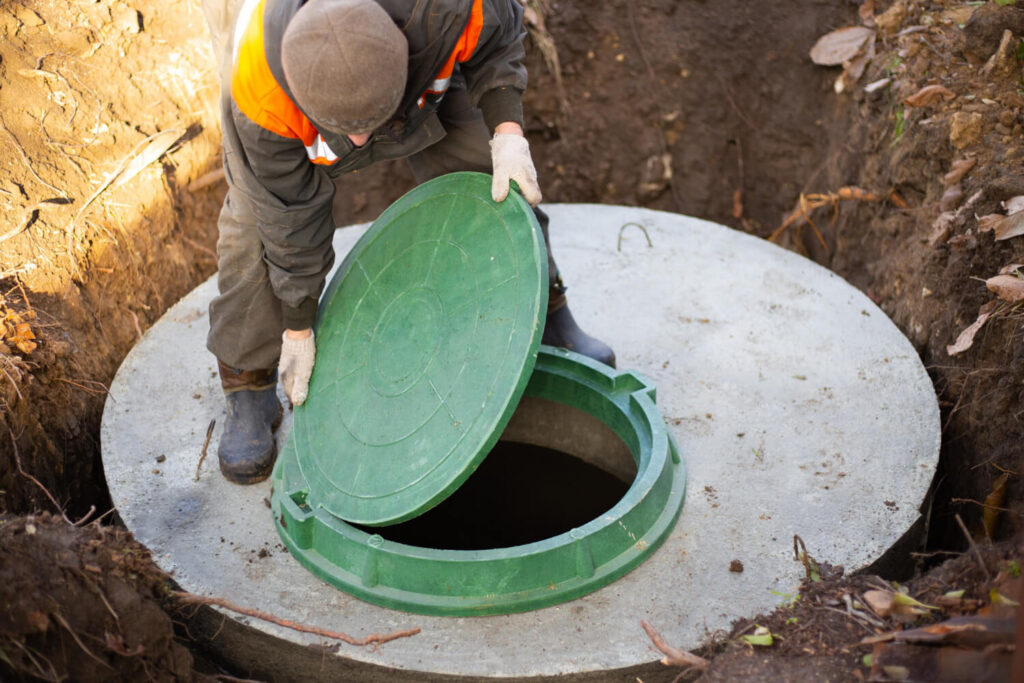
A sewage backup is one of the most unpleasant and potentially hazardous problems a property owner can face. When wastewater flows back into a home or commercial building, it can contaminate floors, walls, furniture, and personal belongings. Beyond the visible mess, sewage may contain harmful bacteria, viruses, and other contaminants that create serious health concerns.
Understanding what causes sewage backups, recognizing the risks, and knowing when to seek professional help can make a significant difference in protecting your property and the people inside it. Professional sewage cleanup helps address contamination safely and reduces the risk of additional damage.
What Causes a Sewage Backup?
Sewage backups can happen for several reasons, and the problem is not always immediately obvious. In some cases, a blockage develops gradually before wastewater begins entering the property. Common causes include:
- Blocked sewer lines: Grease, food waste, paper products, and other materials can accumulate inside pipes and restrict wastewater flow.
- Tree root intrusion: Tree roots may grow into underground sewer lines through small cracks or damaged joints, eventually causing blockages.
- Damaged or aging pipes: Corrosion, shifting soil, and deteriorating plumbing connections can interfere with proper drainage.
- Heavy rainfall and flooding: Excessive rain can overwhelm municipal sewer systems, allowing wastewater to back up into connected properties.
- Improper disposal of waste: Flushing items that do not break down easily can contribute to clogged pipes and sewer line obstructions.
Identifying the source of a backup is important because cleaning the affected area alone will not prevent the problem from happening again.

Health Risks Associated With Sewage Exposure
Sewage is considered contaminated water because it can contain microorganisms and harmful substances from human waste and other sources. Direct contact with contaminated water or surfaces may expose people to pathogens.
Potential health concerns include:
- Gastrointestinal illness: Exposure to certain bacteria, viruses, or parasites may cause nausea, vomiting, diarrhea, and stomach discomfort.
- Skin irritation and infections: Contact with contaminated water can irritate the skin and may increase the risk of infection, particularly through open cuts or wounds.
- Respiratory concerns: Contaminated materials and airborne particles disturbed during improper cleanup may create additional exposure risks.
- Cross-contamination: Walking through affected areas or using contaminated cleaning equipment can spread sewage residue to other rooms and surfaces.
Children, older adults, and people with weakened immune systems may be more vulnerable to infections. For this reason, it is important to keep people and pets away from contaminated areas until proper cleanup and disinfection have been completed.
Warning Signs of a Sewage Backup
Recognizing the early signs of a sewage problem can help property owners respond before contamination spreads. Some common warning signs include:
- Unpleasant sewage or rotten-egg odors coming from drains
- Toilets, sinks, or bathtubs draining slowly
- Gurgling sounds coming from plumbing fixtures
- Water backing up into floor drains or lower-level bathrooms
- Multiple drains becoming clogged at the same time
- Wastewater appearing around toilets, sinks, or basement drains
If several plumbing fixtures begin showing problems simultaneously, the issue may involve the main sewer line rather than a single drain. Contacting a qualified plumbing professional can help identify and address the source.
What Should You Do After a Sewage Backup?
Taking the right precautions can reduce exposure and help limit property damage. If sewage enters your home or business, consider the following steps:
1. Keep People and Pets Away
Avoid entering contaminated areas unnecessarily. Do not allow children or pets to walk through affected rooms or come into contact with wastewater.
2. Avoid Direct Contact With Sewage
Do not touch contaminated water, flooring, furniture, or other materials without appropriate protection. Avoid attempting to remove sewage using ordinary household cleaning supplies.
3. Be Careful Around Electrical Systems
If water has reached outlets, appliances, or electrical equipment, stay out of the affected area. Do not touch electrical devices while standing in water. Have a qualified professional assess the situation before power is restored.
4. Address the Source of the Backup
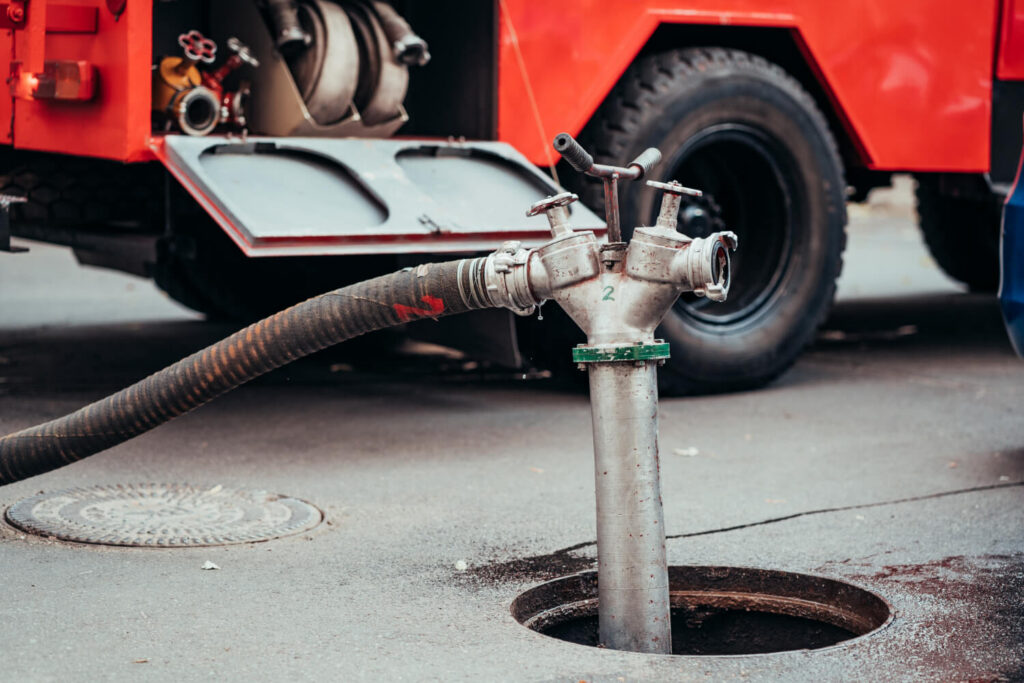
A plumber may need to inspect the sewer line, identify the blockage, and complete the necessary repairs. Resolving the underlying plumbing problem is essential before restoration work can proceed.
5. Contact a Professional Cleanup Team
Sewage contamination requires more than basic cleaning. Professional restoration technicians can assess the affected areas, remove contaminated materials when necessary, clean and disinfect salvageable surfaces, and address moisture that could contribute to further damage.
For additional guidance on handling contaminated properties, read our article about the essential steps in professional biohazard cleanup.
Why Professional Sewage Cleanup Is Important
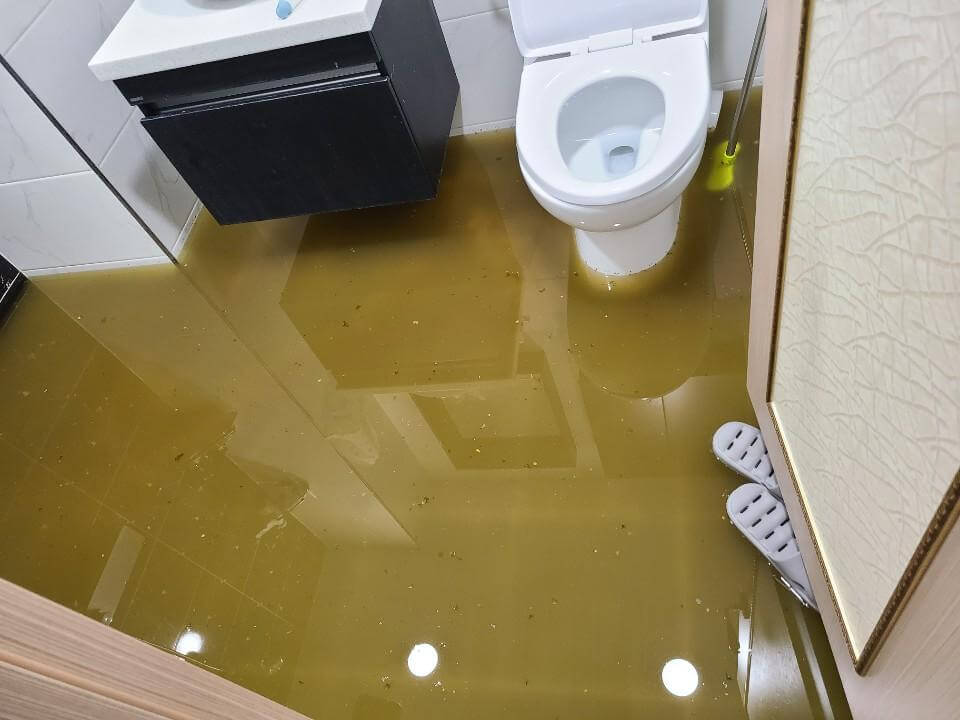
Cleaning up sewage without the right equipment, protective measures, and procedures can expose occupants to harmful contaminants. Even after visible wastewater has been removed, contaminated residue may remain on porous materials, behind baseboards, or in other difficult-to-reach areas.
Professional sewage cleanup typically involves several important stages:
- Damage assessment: Technicians inspect the property to determine how far the contamination has spread and which materials are affected.
- Water and waste removal: Standing wastewater and contaminated debris are removed using appropriate equipment and safety procedures.
- Removal of unsalvageable materials: Porous materials that cannot be adequately cleaned may need to be removed and disposed of properly.
- Cleaning and disinfection: Remaining affected surfaces are cleaned and treated with appropriate products to address contamination.
- Drying and moisture control: Professional drying equipment helps remove excess moisture and reduce the possibility of secondary damage.
- Final inspection: The affected areas are evaluated to determine whether additional cleaning, drying, or restoration work is necessary.
If sewage exposure has affected a larger area or involved contaminated materials, professional assessment is especially important. You can also learn more about compassionate and professional biohazard cleanup.
Can Sewage Backup Cause Long-Term Property Damage?
Yes. If wastewater is not removed and the affected materials are not properly addressed, sewage backups can lead to more extensive property damage.
Contaminated water may soak into carpets, drywall, insulation, wood flooring, and other building materials. Prolonged moisture can weaken certain structural components and create conditions that support mold growth.
In some situations, restoration may involve removing damaged materials, drying the structure, and repairing affected areas. Understanding the water damage restoration process can help property owners understand why proper assessment and drying are important after water-related incidents.
The longer contaminated materials remain untreated, the greater the potential for additional damage and more extensive repairs.
Protect Your Property With Professional Sewage Cleanup
A sewage backup should never be treated as an ordinary plumbing inconvenience. Contaminated wastewater can create health risks, damage building materials, and affect multiple areas of a property. Prompt action, appropriate safety precautions, and professional cleanup are essential for addressing the problem properly.
PuroClean of Richmond provides professional property restoration services to help homeowners and businesses recover from unexpected damage. If your property has experienced a sewage backup, contact PuroClean of Richmond to discuss the situation and determine the appropriate cleanup and restoration steps.