


As temperatures change throughout the fall, homeowners in Richmond, VA, should prepare their properties for cooler weather, seasonal rain, and potential moisture problems. Small maintenance issues that go unnoticed can lead to water intrusion, damaged building materials, and mold growth. Taking preventive steps before winter arrives can help protect your home and reduce the risk of costly restoration work.
PuroClean of Richmond helps property owners address water damage, mold concerns, fire damage, and other property emergencies. Although not every incident can be prevented, regular inspections and timely repairs can help homeowners identify vulnerabilities before they become more serious problems.
Why Fall Maintenance Matters for Richmond Homes
Fall weather can bring fluctuating temperatures, rain, falling leaves, and increased moisture around residential properties. Gutters may become clogged, roof drainage can be obstructed, and small exterior gaps may allow water to enter during storms.
Inside the home, cooler weather can also change how moisture accumulates. Condensation may develop around windows, plumbing pipes, and other cold surfaces. Areas with poor ventilation or a history of leaks deserve particular attention.
A seasonal inspection gives homeowners an opportunity to identify visible concerns and address them before colder weather makes repairs more difficult.
1. Inspect Your Roof for Signs of Damage
Your roof is one of the primary barriers protecting your home from rain and moisture. Missing shingles, damaged flashing, loose roofing materials, and deteriorated seals around roof penetrations can create openings for water.
From the ground, look for visibly displaced shingles, sagging areas, or debris collecting on the roof. Inside, check ceilings and upper walls for water stains, peeling paint, or discoloration that could indicate a leak.
If you notice signs of roof damage, arrange for a qualified roofing professional to evaluate the problem. Addressing roof leaks early can help prevent moisture from reaching insulation, drywall, and other interior materials.
2. Clean Gutters and Check Downspouts
Leaves and other debris can accumulate in gutters during the fall, preventing rainwater from draining properly. When water overflows, it may collect near the foundation or enter areas around windows, doors, and exterior walls.
Make sure gutters are clear and downspouts direct water away from the home. Look for loose gutter sections, visible leaks, and areas where water pools close to the foundation after rainfall.
If water repeatedly enters your basement or crawl space, consider whether exterior drainage problems may be contributing to the issue. Persistent water intrusion should be assessed rather than treated as a normal seasonal occurrence.
3. Check Plumbing and Water-Using Appliances
Plumbing leaks can develop in any season, and small drips may go unnoticed behind appliances, under sinks, or inside cabinets. Before winter, inspect visible pipes, supply lines, faucets, and connections around washing machines, dishwashers, and refrigerators.
Look for damp cabinet interiors, warped flooring, unexplained musty odors, or water stains near plumbing fixtures. Check around the water heater for signs of leakage or corrosion.
If you find a leak, address its source promptly and dry affected materials appropriately. Water can travel beneath flooring and into wall cavities, so the visible wet area may not show the full extent of the damage.
4. Reduce Indoor Moisture and Mold Risk
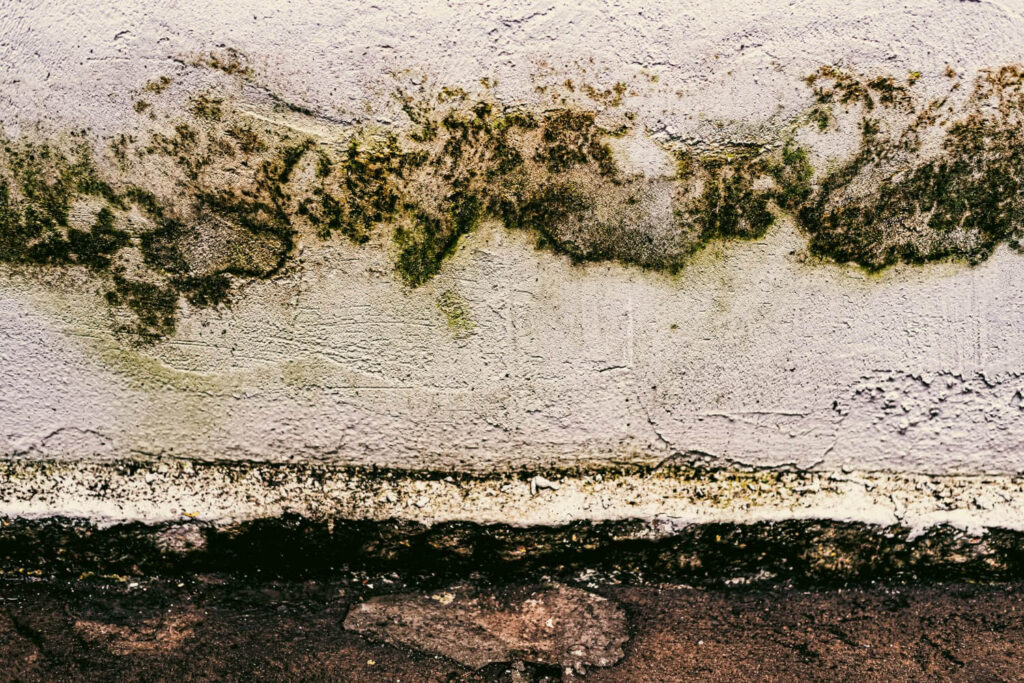
Mold can grow when moisture remains on suitable materials for an extended period. Bathrooms, basements, laundry rooms, and poorly ventilated storage areas may be especially vulnerable when humidity is not adequately controlled.
Richmond homeowners can reduce moisture risks by using bathroom exhaust fans, addressing plumbing leaks, improving ventilation where appropriate, and avoiding the prolonged storage of damp materials in enclosed spaces.
Pay attention to persistent musty odors, discoloration, peeling paint, and recurring damp spots. These signs may indicate an underlying moisture problem, even if visible mold is limited.
If you suspect mold behind drywall, beneath flooring, or in another concealed area, professional assessment can help determine the extent of the issue. Cleaning visible growth without correcting the moisture source may allow the problem to return.
5. Inspect Windows, Doors, and Exterior Seals
Gaps around windows and doors can allow rainwater and outdoor air to enter the home. Inspect visible caulking, weatherstripping, and exterior seals for cracking, separation, or deterioration.
After heavy rain, look for water stains around window frames, damp interior trim, or discoloration near exterior doors. These signs may indicate that water is entering through a damaged seal or another part of the building envelope.
Repairing minor exterior issues can help limit moisture intrusion. If water continues to appear despite basic maintenance, a more thorough inspection may be needed to identify the source.
6. Know What to Do If Water Damage Occurs
Even a well-maintained property can experience a burst pipe, appliance failure, roof leak, or storm-related water intrusion. Knowing how to respond can help limit additional damage.
If it is safe to do so, stop the water source and move unaffected belongings away from the wet area. Avoid contact with standing water if electrical hazards may be present. Water from sewage backups or other potentially contaminated sources should not be handled without appropriate precautions.
Document visible damage with photographs and contact your insurance provider to understand any reporting requirements. Do not assume that a surface is completely dry just because standing water has been removed. Moisture may remain inside walls, flooring, insulation, or other building materials.
PuroClean of Richmond provides water damage restoration services to help property owners assess affected areas, remove excess water, and address structural drying needs.
When to Call a Restoration Professional
Some maintenance concerns can be handled with routine repairs, but extensive water intrusion, persistent moisture, suspected hidden mold, and significant property damage may require professional attention.
Consider seeking restoration assistance when:
- Water has spread beneath flooring or into walls.
- A leak has affected multiple rooms.
- Building materials remain damp after initial cleanup.
- Mold growth appears extensive or keeps returning.
- Fire, smoke, or contaminated water has affected the property.
A professional assessment can help determine the scope of the damage and identify appropriate cleanup, drying, remediation, or repair steps.
Protect Your Richmond Property This Fall
Seasonal home maintenance is an opportunity to identify small problems before they lead to more extensive damage. Checking your roof, clearing gutters, inspecting plumbing, controlling indoor moisture, and maintaining exterior seals can all help reduce the risk of water intrusion and mold growth.
If your home experiences water damage or you discover signs of a persistent moisture problem, PuroClean of Richmond can help you understand the restoration options available. Contact the team to discuss your property’s needs and take the next step toward recovery.