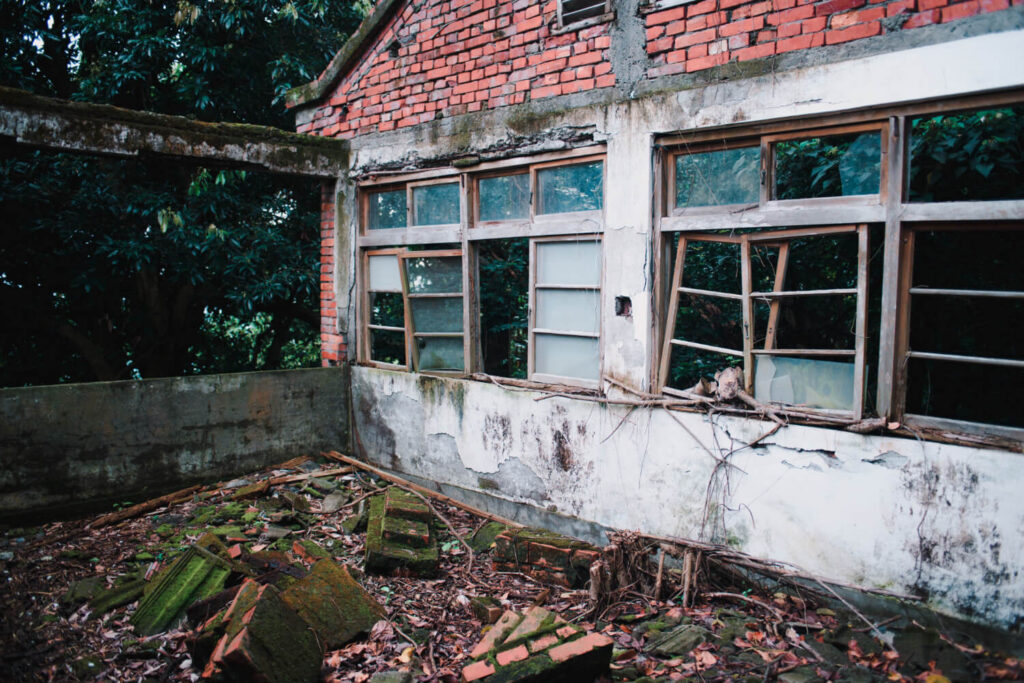
Unexpected property damage can create serious challenges for any business. A burst pipe, fire, storm, or other property emergency can interrupt daily operations, damage equipment and inventory, and make parts of a commercial building unsafe or unusable. Even a relatively small incident can affect employees, customers, and revenue if the damage is not addressed quickly.
For business owners, recovering from property damage involves more than repairing the building. It also means finding ways to minimize downtime, protect important assets, and resume normal operations as efficiently as possible. Understanding the risks and having a recovery plan in place can make a significant difference when an unexpected event occurs.
How Property Damage Affects Business Operations
The impact of property damage depends on the type of incident, the size of the building, and the areas affected. Some businesses may experience a temporary interruption, while others may need to suspend operations until restoration work is completed.
Here are some common ways property damage can disrupt a business.
1. Temporary Business Closures
Water damage, fire damage, or structural problems may make certain areas unsafe for employees and customers. If essential workspaces, entrances, storage areas, or utilities are affected, the business may need to close temporarily.
Even when only part of the building is damaged, restricted access can make normal operations difficult.
2. Damage to Equipment and Inventory
Commercial properties often contain valuable equipment, computers, machinery, furniture, documents, and inventory. Water, smoke, soot, and other contaminants can damage these assets and interfere with business activities.
Replacing specialized equipment or ordering new inventory may also take time, extending the interruption.
3. Employee Safety Concerns
Property damage can create hazards such as wet floors, electrical risks, weakened building materials, smoke residue, or contaminated areas. Businesses must address these concerns before allowing employees and customers to return to affected spaces.
4. Financial Losses
When operations are interrupted, businesses may lose sales, delay services, miss deadlines, or experience additional operating expenses. Depending on the circumstances, the financial impact can continue even after the immediate damage has been addressed.

Common Types of Property Damage That Cause Business Interruptions
Several types of property emergencies can affect commercial buildings and disrupt daily operations.
Water Damage: Burst pipes, plumbing failures, roof leaks, and flooding can damage flooring, walls, ceilings, electrical systems, and business equipment. Moisture may also spread into concealed spaces, requiring professional drying and assessment.
Fire and Smoke Damage: A fire can affect structural materials, furniture, inventory, and equipment. Even areas that were not directly burned may contain smoke odors and soot residue that require specialized cleaning.
Mold Growth: When moisture is not properly addressed, mold may develop on building materials and other surfaces. Affected areas may require professional assessment and remediation before normal use can resume.
Biohazard Contamination: Certain incidents can introduce biological contaminants into commercial spaces. Professional cleanup may be necessary to address affected areas safely and prepare the property for appropriate use.
How Can Businesses Minimize Downtime After Property Damage?
Although no business can completely eliminate the risk of property damage, preparation and a coordinated response can help reduce disruption.
1. Create a Business Emergency Plan
Every business should have a basic emergency response plan that explains what employees should do when property damage occurs. Identify emergency contacts, important shutoff locations, evacuation procedures, and the individuals responsible for coordinating the response.
Make sure employees know how to report damage and where to find important emergency information.
2. Protect Important Documents and Digital Records
Keep essential business documents, insurance information, contracts, financial records, and operational data backed up in secure locations. Digital backups can help businesses access important information even if physical records are damaged.
Store critical equipment and sensitive documents away from areas with a higher risk of water intrusion whenever possible.
3. Arrange Professional Damage Assessment Quickly
After an incident, identifying the full extent of the damage is an important step toward recovery. Visible damage may not reveal how far water, smoke, or contamination has spread.
Professional restoration technicians can assess affected areas, identify additional concerns, and help determine what cleanup and restoration work is necessary.
4. Prioritize Critical Business Areas
Not every part of a commercial property has the same operational importance. Work with restoration professionals to identify which areas need attention first based on safety, damage severity, and business needs.
For example, restoring access to essential workspaces or protecting valuable equipment may be a priority, depending on the circumstances.
5. Communicate With Employees and Customers
Clear communication helps reduce confusion during a business interruption. Inform employees about temporary arrangements, restricted areas, and expected updates.
Customers and business partners should also receive timely information about service interruptions, changes in operating hours, or alternative ways to access services.
6. Review Insurance Coverage
Business owners should understand what their commercial property insurance and business interruption coverage may include. Coverage varies by policy, so review exclusions, limits, deductibles, and documentation requirements with your insurance provider.
Keep photographs, videos, receipts, and records of damaged property and restoration expenses to support the claims process.

Why Professional Commercial Restoration Matters
Trying to handle extensive property damage without professional assistance can delay recovery and leave hidden problems unresolved. Commercial restoration requires appropriate equipment, trained technicians, and a clear understanding of how different types of damage affect building materials and business assets.
Depending on the incident, professional restoration may involve:
- Damage assessment: Evaluating the affected areas and identifying the scope of restoration work.
- Water extraction: Removing standing water from commercial spaces and affected surfaces.
- Structural drying: Using professional equipment to reduce moisture in walls, floors, and other building materials.
- Smoke and soot cleanup: Addressing fire-related residue and odors on affected surfaces and contents.
- Cleaning and disinfection: Treating contaminated areas with appropriate cleaning procedures.
- Repairs and reconstruction: Replacing or repairing damaged building materials when necessary.
For a closer look at water-related recovery, read our guide to understanding the water damage restoration process. Businesses dealing with fire-related incidents can also learn more about what fire damage restoration includes.
The Importance of Planning for Business Recovery
A property damage emergency can affect more than the physical condition of a commercial building. It can interrupt services, create unexpected expenses, and affect relationships with customers and employees.
Having an emergency plan, protecting important records, documenting losses, and working with qualified restoration professionals can help businesses approach recovery with greater confidence.
It is also important to understand the potential role of insurance during the recovery process. Our article on whether insurance covers water and fire damage provides additional information about coverage considerations.
Get Help Restoring Your Commercial Property
When property damage interrupts business operations, taking the right steps early can help limit further damage and support a more organized recovery. From water and fire damage to other unexpected property emergencies, professional restoration can help businesses address affected areas and work toward reopening.
PuroClean of Richmond provides property restoration services for residential and commercial properties. If your business has experienced unexpected damage, contact PuroClean of Richmond to discuss your situation and determine the appropriate next steps.