


How Does High Humidity in Historic Richmond Crawlspaces Destabilize Wood Framing?
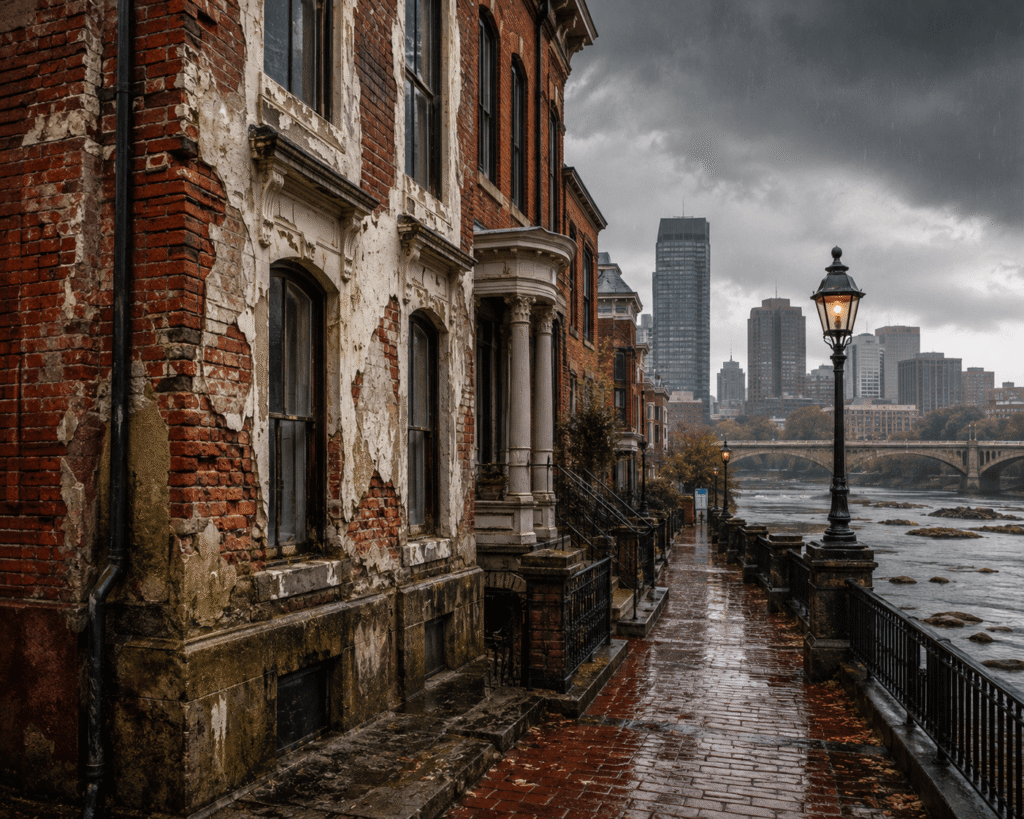
Properties in older Richmond neighborhoods like The Fan, Church Hill, and Jackson Ward often feature historic brick-and-beam foundations. The proximity to the James River basin, combined with Virginia’s intensely humid summers, creates a continuous flow of damp air through crawlspaces. When vapor barriers fail or plumbing lines leak, the historic timber framing absorbs this moisture. The wood fibers swell, which forces the floor joists to warp and sag. Over several months, this structural shift causes hardwood floors upstairs to buckle and plaster walls to develop thin, jagged fractures.
Halting this structural decline requires removing the source of moisture. Extracting excess moisture immediately from the crawlspace stops wood rot before it ruins the structural integrity of the floor. Utilizing professional water damage mitigation protocols within the first twenty-four hours dries the joists and subfloors. This fast extraction prevents the moisture from migrating higher into the living spaces of the home, where it would otherwise warp wood finishes and ruin plasterwork.
Why Do Rising James River Water Tables Cause Fungal Growth in Basements?
Low-lying Richmond areas like Shockoe Bottom face high water tables that force groundwater through basement foundation cracks. This rising moisture elevates indoor humidity, rapidly activating dormant fungal spores on damp drywall or carpet backing. The growing organisms consume cellulose within these building materials, causing the interior surfaces to rot and crumble. Simply wiping away the visible growth fails because the root systems remain embedded deep within the porous substrate. Utilizing professional mold removal and remediation protocols isolates the contamination, neutralizes these roots, and restores healthy indoor air.
What Biological Threats Emerge When Richmond Municipal Sewer Lines Fail?
Parts of Richmond utilize older combined sewer systems that can become overwhelmed during sudden, heavy Virginia rainstorms. When these municipal systems back up, they force contaminated water backward through residential and commercial drain lines. This black water intrusion introduces dangerous pathogens, viruses, and biological waste directly into the lower levels of a property. Porous building materials like drywall, carpet pads, and subfloors absorb these hazardous liquids rapidly, turning the materials into permanent sources of biohazard contamination.
Neglecting immediate extraction allows these pathogens to multiply rapidly throughout the structure. Foot traffic, localized air currents, and capillary action behind baseboards carry the contaminants to unaffected zones of the property. To protect occupants, contaminated materials must be stripped away under strict containment protocols. Implementing professional biohazard cleanup procedures neutralizes the microscopic pathogens using heavy-duty sanitizing agents. This deep disinfection restores safety to the building and prevents the spread of bacteria into the primary living spaces.
How Do Acidic Smoke Residues Degrade Historic Brick and Plaster?
A local property fire causes immediate structural damage and leaves behind a layer of highly acidic soot. When synthetic materials burn, they release chemical compounds that bond with moisture in the air to form corrosive films. In Richmond’s historic properties, these acidic residues cling to porous brick fireplaces, plaster walls, and heart pine framing. If these residues remain on the surfaces, they cause deep discoloration, yellowing of varnishes, and permanent etching of metal fixtures.
Addressing the aftermath of a fire requires neutralizing these acidic compounds before they cause irreversible damage. Traditional washing methods often smear the soot, pushing the acidic particles deeper into the brick or plaster. Utilizing specialized fire and smoke damage restoration techniques chemically breaks down the soot bonds, allowing for safe removal. This process neutralizes the acidic residue and extracts trapped smoke particles from deep within the wall cavities, halting the chemical degradation of the historic materials.
When Does Richmond Historic Preservation Require Complete Structural Rebuilding?
Some environmental incidents cause damage that exceeds simple cleaning or drying. When fire chars load-bearing studs, or chronic moisture hollows out structural support beams, the building becomes unstable. Leaving these compromised components in place poses a safety hazard, as the weakened frame cannot support the weight of the roof or upper floors.
Rebuilding must begin once the building has been cleared of all moisture and biological hazards. Replacing compromised support beams, hanging new drywall, and installing structural subfloors are necessary to return the building to a safe condition. Executing certified reconstruction replaces the ruined framing with new, load-bearing materials that match the original architectural layout. This final phase completes the recovery process, returning the property to a stable and secure state.
PuroClean of Richmond supplies the specialized restoration expertise required to protect historic and modern properties across Virginia’s capital. Resolve moisture and structural vulnerabilities before it threatens the long-term viability of the property.