


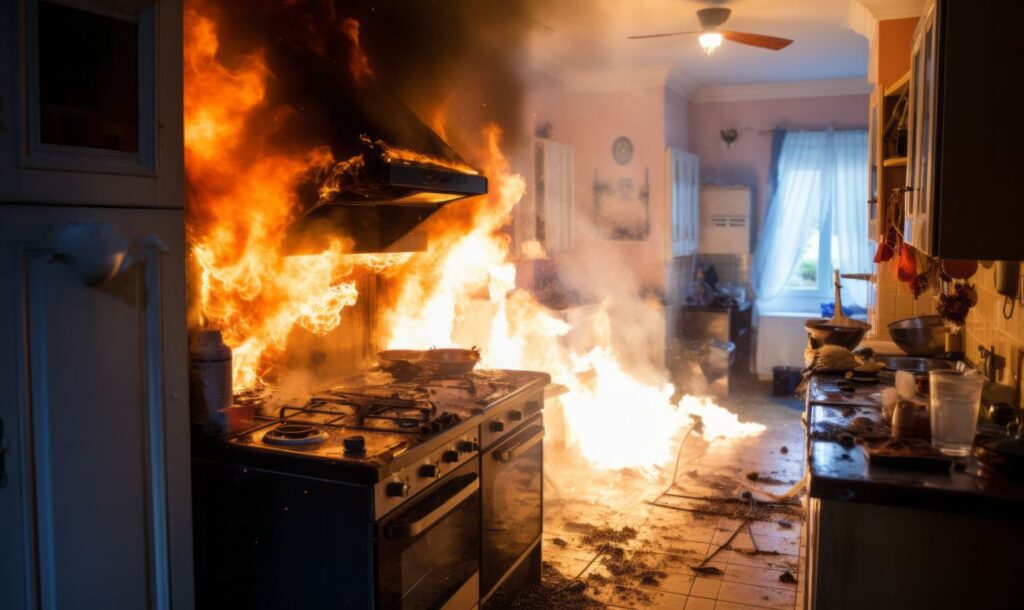
Many homeowners assume that if a fire was contained to one room, the rest of the home is safe. Unfortunately, that’s not how smoke behaves. Smoke travels fast, clings to surfaces, seeps into materials, and spreads far beyond the source of the flames. Even a small kitchen or electrical fire can send smoke throughout an entire Richmond home within minutes.
Understanding how smoke spreads—and why it causes so much damage—is essential for preventing long-term issues. In Richmond, VA, where many homes have older construction, unique architectural features, and aging ventilation systems, smoke can move even more easily. Here’s how smoke damage can affect areas you might never expect.
1. Smoke Travels Through Air Currents and Pressure Changes
During a fire, hot air rises quickly while cooler air is pushed downward. This natural movement creates pressure differences inside the home, allowing smoke to drift into hallways, upstairs bedrooms, basements, and any area with open pathways.
Even if the fire was small or extinguished quickly, smoke continues moving long after flames die.
Smoke commonly spreads into:
- Rooms far from the fire
- Upper floors
- Attics
- Basements
- Crawl spaces
- Closets and storage areas
Anywhere air can move, smoke can follow.
2. HVAC Systems Pull Smoke Into Every Corner of the Home
One of the biggest contributors to widespread smoke damage is the HVAC system. When a fire occurs, your heating or air-conditioning system may still be running, continuously pulling in air and redistributing it throughout the house.
Smoke easily travels through:
- Ductwork
- Vents
- Returns
- Filters
- Air handlers
This means that even if a fire happened only in the kitchen, bedrooms, living rooms, and even bathrooms can be covered in invisible soot residue.
Turn off your HVAC system immediately after a fire to prevent further spread.
3. Soot Particles Are Small Enough to Penetrate Surfaces
Soot is extremely fine—much smaller than dust—and can slip through cracks, seams, and porous materials. Richmond homes with older plaster walls, hardwood floors, or original trim are especially susceptible.
Common areas where soot embeds itself include:
- Carpets and rugs
- Upholstery and bedding
- Clothing and curtains
- Insulation
- Drywall and plaster
- HVAC duct lining
- Wooden cabinets and furniture
Once soot penetrates a surface, normal household cleaning methods are rarely effective. In fact, improper cleaning can make staining and odors worse.
4. Smoke Residue Leaves Behind Odor and Chemical Corrosion

Smoke isn’t just an odor—it’s a mix of chemicals, acids, and microscopic particles. When these materials settle on surfaces, they begin breaking them down. This is called corrosive damage, and it begins within hours.
Because smoke spreads so widely, homeowners often find:
- Yellowed or darkened ceilings
- Sticky residue on walls
- Metal appliances beginning to discolor
- Smoke odor trapped in fabrics
- Electronics malfunctioning due to internal soot
Fast professional cleaning is essential to stop the corrosion process.
5. Smoke Rises Into Attics and Rafters—Even Without Structural Damage
Heat forces smoke upward, often pushing it into attic spaces, roof decking, rafters, and even insulation. Many homeowners never realize their attic is heavily contaminated until odors persist for months.
Untreated attic smoke damage can lead to:
- Lingering smells
- Stained insulation
- Reduced indoor air quality
- Increased humidity problems
- Mold growth in areas affected by firefighting water
Since attics are difficult to access, professional inspection is crucial.
6. The Type of Fire Determines How Far Smoke Spreads
Different fire sources produce different types of smoke, each with its own behavior:
Protein fires (kitchen fires):
Leave an invisible but extremely pungent residue that spreads extensively.
Plastic and synthetic fires:
Produce thick, black, oily soot that clings aggressively to surfaces.
Wood or paper fires:
Generate dry soot that spreads quickly but is easier to clean professionally.
A restoration team identifies the type of soot and adapts their cleaning process accordingly.
Final Thoughts: Smoke Damage Is More Widespread Than It Appears
Even if flames only touched one room, smoke almost certainly reached areas you can’t see. For Richmond homeowners—especially those living in older or historic properties—the risk of hidden smoke damage is even greater due to outdated insulation, drafty framing, and older HVAC systems.
Professional smoke remediation is the only reliable way to remove soot, eliminate odors, and restore indoor air quality.