


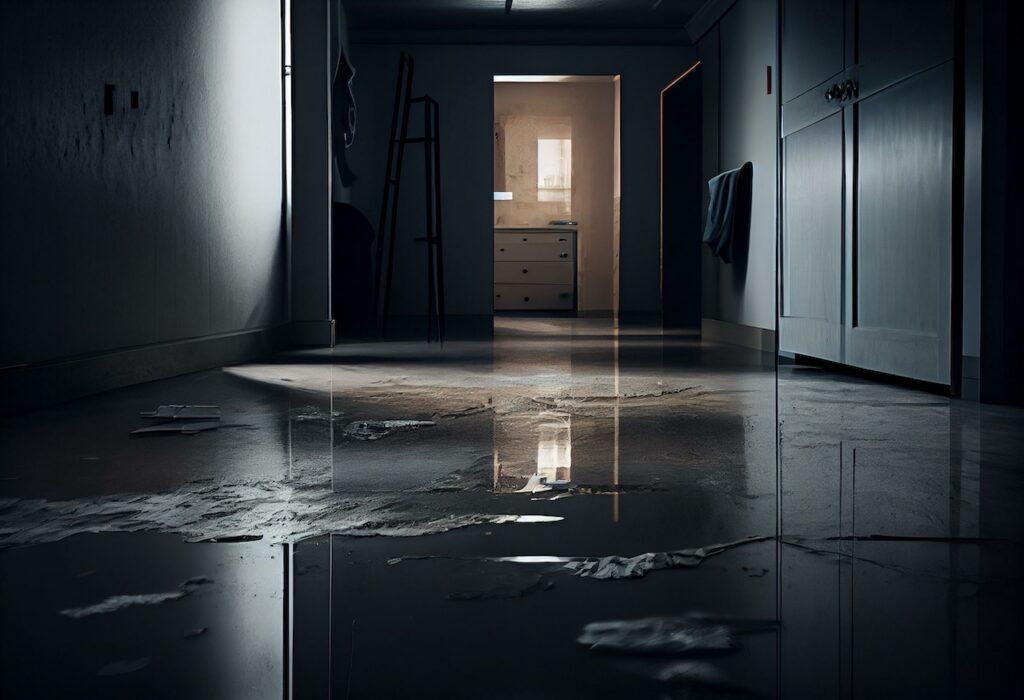
Living in Richmond, Virginia, you’re no stranger to heavy rainfall, especially during the hurricane season and other weather events that bring excessive moisture. While Richmond’s lush environment can be beautiful, it also poses a significant risk to homeowners: water damage. Water damage can cause costly repairs, mold growth, and long-term structural issues in your home. However, with the right precautions and maintenance, you can protect your property from the damaging effects of heavy rainfall.
In this post, we’ll cover several steps you can take to prevent water damage in your Richmond home, ensuring it stays safe and dry throughout the rainy seasons.
1. Maintain and Clean Your Gutters Regularly
One of the most important things you can do to protect your home from water damage is to ensure your gutters are clean and in good condition. Gutters and downspouts are designed to channel rainwater away from your home, preventing it from pooling around the foundation. However, when gutters become clogged with leaves, debris, or other obstructions, water can overflow and run down the sides of your home, leading to damage to your siding, windows, and foundation.
What to do:
- Clean your gutters at least twice a year, preferably in the spring and fall, or after a major storm.
- Make sure the downspouts are directing water at least 5-10 feet away from your home’s foundation. You can use gutter extensions or splash blocks to help with this.
- Inspect gutters for damage, such as cracks or sagging, and repair them promptly to avoid any water flow issues.
2. Check Your Roof for Damage
Your roof is the first line of defense against rainwater, and any damage to it can lead to leaks that may cause extensive water damage inside your home. High winds, storms, and even the age of your roof can create vulnerabilities like missing shingles, damaged flashing, or worn-out seals around chimneys and vents.
What to do:
- Inspect your roof annually or after significant weather events. Look for signs of wear such as missing, cracked, or curling shingles, as well as any sagging areas or dark spots that might indicate a leak.
- If you’re unsure about the condition of your roof or don’t feel comfortable inspecting it yourself, hire a professional roofing contractor in Richmond to perform a thorough inspection.
- Address any roof issues as soon as they are detected to prevent leaks during heavy rainfall.

3. Improve Your Home’s Drainage System
Water pooling around your home’s foundation can lead to structural damage, basement flooding, and mold growth. Poor drainage can make your home more susceptible to these issues, especially during periods of heavy rain. If you notice standing water around your home after rainstorms, it may be time to improve your property’s drainage.
What to do:
- Make sure your yard is properly graded so water naturally flows away from your home. If your yard slopes toward your house, consider re-grading or installing a French drain system to divert water.
- Check for any cracks or gaps in your home’s foundation, which can allow water to seep in. Seal these cracks with caulk or waterproof sealant to prevent moisture from entering.
- Ensure that any external drains or stormwater management systems are clear of debris and functioning properly.
4. Install a Sump Pump in Your Basement
Basements are particularly vulnerable to water damage, especially if your home is situated in a low-lying area or has poor drainage. Heavy rains can cause water to accumulate around or beneath your home’s foundation, leading to basement flooding. Installing a sump pump can provide an extra layer of protection against this type of water damage.
What to do:
- Consider installing a sump pump in your basement if you don’t already have one. Sump pumps are designed to automatically remove water from your basement and direct it away from your home.
- Make sure your sump pump is tested regularly, especially before the rainy season, to ensure it’s working properly.
- If power outages are common during storms in your area, consider investing in a battery backup system for your sump pump to keep it running when you need it most.
5. Seal Windows and Doors
Windows and doors are common entry points for water during heavy rains, especially if they are old or improperly sealed. Even a small gap can allow water to seep in, leading to damage to your walls, flooring, and even electrical systems.
What to do:
- Inspect the weather stripping and seals around your windows and doors. Replace any worn or damaged weather stripping, and apply caulk around the frames to prevent leaks.
- If you have basement windows, consider installing window well covers to keep rainwater from accumulating around them.
- For older homes in Richmond, upgrading to newer, more energy-efficient windows and doors can also help improve water resistance and prevent drafts.
6. Inspect and Maintain Plumbing
While most of the focus during heavy rainfall is on water coming from outside, it’s also important to ensure your plumbing system is in good condition. Blocked or damaged pipes can exacerbate water damage during a storm, leading to leaks or backups inside your home.
What to do:
- Check for any leaks in your pipes, especially those located in your basement, crawl space, or other vulnerable areas. Even small leaks can worsen during heavy rain.
- Make sure your water heater and other appliances connected to the plumbing system are regularly inspected and maintained.
- Avoid pouring grease, oils, or food waste down your drains, as these can cause clogs and backups.
7. Invest in Flood Insurance
While taking all the necessary precautions to prevent water damage is crucial, it’s also important to prepare for the worst-case scenario. Flooding can still occur despite your best efforts, and in areas prone to heavy rainfall like Richmond, flood insurance can provide peace of mind.
What to do:
- Review your homeowner’s insurance policy to see if it covers flood damage. Most standard policies do not include flood coverage, so you may need to purchase a separate policy.
- Even if your home isn’t in a high-risk flood zone, flood insurance can still be a smart investment. Flooding can happen anywhere, especially during extreme weather events.
Conclusion
Water damage is a serious concern for homeowners in Richmond, particularly during heavy rainfall seasons. However, by taking preventative measures such as maintaining your gutters, inspecting your roof, improving drainage, and sealing windows and doors, you can significantly reduce the risk of water damage to your home. Don’t forget to invest in flood insurance for added protection, and be sure to stay proactive with regular home maintenance to keep your property safe and dry all year long.