


Why Does Richmond’s Climate Accelerate Structural Decline?
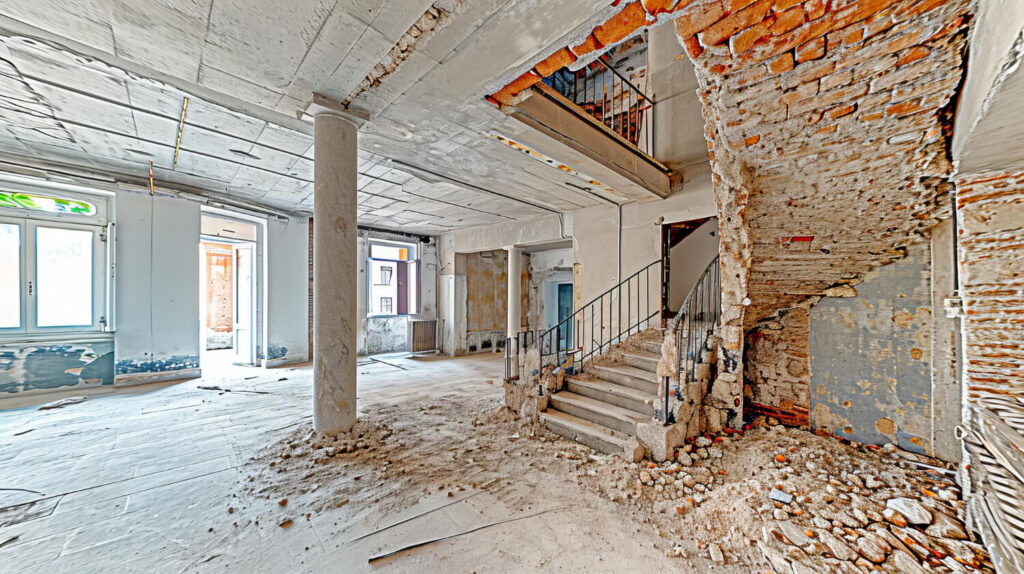
Richmond’s humid summers and the constant influence of the James River basin create persistent moisture challenges for properties, placing stress on both historic and modern structures. Damp air often infiltrates crawlspaces or basements, where timber framing absorbs the moisture and begins to weaken. The fibers inside the wood swell, forcing joists to warp and shift out of alignment, which gradually undermines the building’s stability. As the framing loses strength, floors begin to sag, and walls develop cracks that signal deeper structural strain. These visible signs are only the surface indicators of a larger problem spreading through the property. Support beams that carry the weight of the building lose their ability to resist pressure, leaving the framework vulnerable.
This chain reaction extends upward, threatening ceilings and roof systems as the weakened frame struggles to hold its load. The longer the exposure continues, the faster the decline accelerates, creating a cycle of deterioration that spreads throughout the structure. Once this process begins, every season of humidity compounds the damage, making recovery more complex. Addressing these vulnerabilities promptly interrupts the cycle, restores stability, and prevents the moisture from escalating into a full structural crisis.
How Do Fungal Contaminants Threaten Indoor Safety?
High water tables in low-lying Richmond neighborhoods often force groundwater upward through foundation cracks, creating a constant source of moisture inside basements. This rising dampness elevates indoor humidity levels, which quickly activates dormant fungal spores that thrive in dark, enclosed spaces. Once active, these spores begin to spread across drywall, carpet backing, and other porous surfaces. The organisms consume cellulose within these materials, gradually weakening their structure and causing them to rot and crumble. Visible patches of growth may appear, but simply wiping them away does not solve the problem because the root systems remain embedded deep within the substrate. As the contamination spreads, the air quality inside the property declines, exposing occupants to potential respiratory irritation and health risks.
The structural integrity of the building also suffers, as weakened materials lose their ability to support weight or resist pressure. Over time, the fungal colonies expand into hidden cavities, making the damage more extensive and harder to control. Professional mold removal and remediation protocols are required to isolate the contamination, neutralize the roots, and restore healthier indoor conditions. Without this intervention, fungal spread continues unchecked, compromising both the safety of the occupants and the stability of the property itself.
What Happens When Sewer Backups Introduce Biohazards?
Richmond’s older sewer systems can become overwhelmed during heavy rainstorms, forcing contaminated water back into properties. This black water intrusion carries pathogens and biological waste into lower levels of homes and businesses. Porous materials like drywall and carpet pads absorb these hazardous liquids, turning them into permanent sources of contamination. Immediate extraction and stripping of affected materials are essential. Implementing professional biohazard cleanup protocols neutralizes pathogens with industrial sanitizing agents, restoring safety and preventing the spread of bacteria throughout the property.
Why Is Smoke Residue Dangerous for Historic Materials?
Fires in Richmond properties leave behind acidic soot that bonds with moisture to form corrosive films. These residues cling to porous brick, plaster, and timber framing, causing discoloration, etching, and permanent staining. Traditional cleaning methods often smear soot deeper into surfaces, worsening the damage. Specialized fire and smoke damage restoration techniques chemically break down soot bonds, allowing safe removal. This process halts chemical degradation, protecting historic materials from irreversible harm

When Does Reconstruction Become the Only Solution?
Some incidents create damage that goes far beyond cleaning or drying, leaving the property unstable. Fire-charred studs or beams weakened by moisture lose their ability to support the weight of roofs and upper floors. Keeping these compromised components in place introduces serious safety risks, as the structure can no longer resist pressure. Certified reconstruction services replace the ruined framing with new, load-bearing materials that align with the original architectural design. This rebuilding process restores stability and returns the property to a safe condition for continued use. Reconstruction serves as the final stage of recovery, completing the transition from structural damage to renewal.
PuroClean of Richmond rebuilds properties across Virginia’s capital. Progressing through recovery requires a partnership with professionals who value both the property and the timeline, examining every component to meet the demands of Richmond’s environment. Stop the cycle of decay from threatening the life of the building today!