


After a fire, many homeowners are eager to clean up quickly and get their home back to normal. Smoke odor is often the first thing they try to tackle on their own—opening windows, scrubbing surfaces, or using store-bought sprays. Unfortunately, smoke odor removal is far more complex than most people realize. DIY methods may mask the smell temporarily, but they rarely solve the underlying problem.
In Richmond, VA—where many properties include older construction, porous materials, and aging ventilation systems—DIY cleanup can make smoke damage worse or allow long-term health and structural problems to develop. Professional smoke odor removal is not just recommended; in most cases, it’s essential.
Here are the hidden dangers of trying to remove smoke odor yourself, and why Richmond homeowners should rely on trained restoration specialists instead.
1. Store-Bought Cleaners Only Treat Surface Odor
Most over-the-counter sprays, deodorizing powders, or air fresheners simply coat the smell with a new scent. They do nothing to remove microscopic soot particles embedded deep inside building materials.
Smoke odor is caused by:
- Soot residue
- Acids and chemicals from burned materials
- Microscopic particles trapped in pores
- Contaminants inside ductwork, insulation, and fabrics
Wiping down walls or using scented sprays cannot reach these sources. Professional solutions target the odor at its root, not just on the surface.
2. DIY Cleaning Can Push Soot Deeper Into Surfaces
Improper cleaning methods can make restoration more expensive and difficult. Using household cleaners, wet cloths, or abrasive tools may smear soot across surfaces or force it deeper into porous materials.
Common DIY mistakes include:
- Using water on dry soot, which can cause spreading
- Scrubbing walls and pushing residue into the paint
- Vacuuming upholstery without a HEPA filter
- Trying to wash fabrics without proper pretreatment
Once soot becomes embedded, even professionals may struggle to restore certain items.
3. Smoke Odor Can Come From Places You Can’t Reach
Smoke travels through every part of the home, including places homeowners rarely inspect. Even if the fire was small, smoke can infiltrate:
- Air ducts
- Attics and crawl spaces
- Wall cavities
- Insulation
- Subflooring
- Electrical outlets and switch plates
If you only clean the visible soot, the hidden odor will continue to reappear, often more intensely during humidity changes—a common occurrence in Richmond’s climate.
4. Different Types of Smoke Require Different Cleaning Methods
Not all smoke is the same. Depending on what burned, the cleaning solution must be adjusted. DIY methods cannot distinguish between them, but professionals can.
Different fires produce:
- Protein smoke (from kitchen fires): virtually invisible but extremely strong
- Wet smoke (from low-heat, smoldering fires): sticky and difficult to remove
- Dry smoke (from high-heat fires): powdery and widespread
- Fuel/oil smoke: rare but highly toxic and oily
Using the wrong cleaning technique can make the residue harder to remove or cause permanent staining.
5. DIY Methods Ignore Health Risks of Smoke Residue
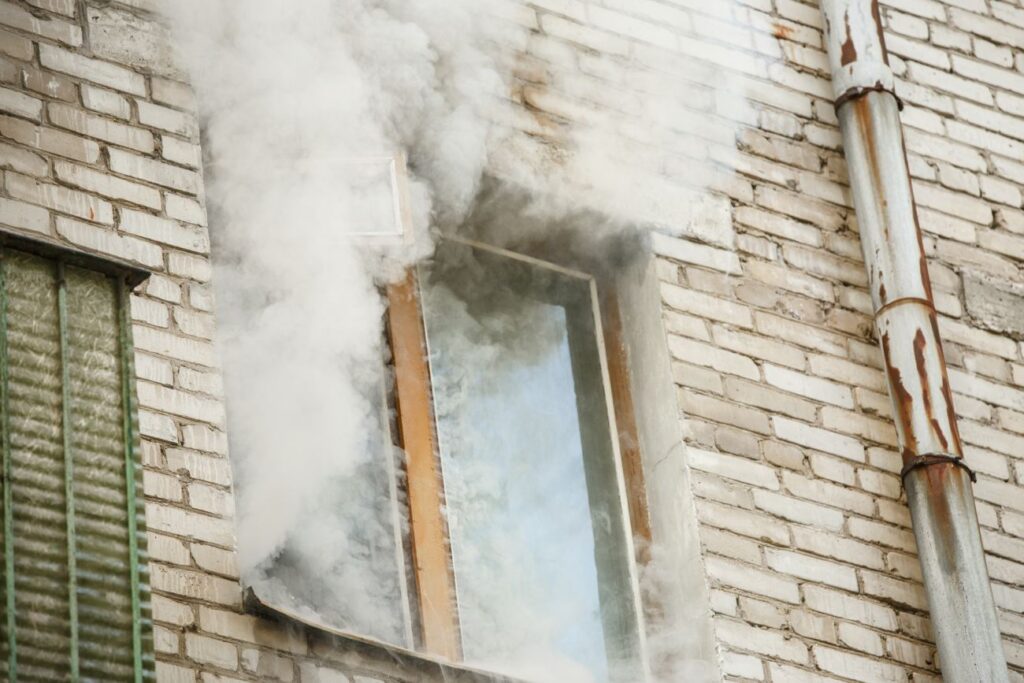
Smoke particles contain toxins from plastics, wood, fabrics, chemicals, and burned household materials. Exposure can irritate your lungs, skin, and eyes.
Lingering smoke residue may cause:
- Worsening allergies
- Asthma flare-ups
- Headaches
- Chronic respiratory irritation
- Long-term odor exposure
Professional teams wear protective equipment and use specialized methods to ensure contaminants are fully removed.
6. HVAC Systems Can Spread Odor Through the Entire Home
If your HVAC system was running during the fire, smoke particles are likely trapped inside the ductwork. Turning the system back on will circulate smoke odor again and again.
DIY methods rarely address:
- Contaminated duct lining
- Soot inside vent covers
- Residue on coils and filters
- Odor trapped in the air handler
Professional cleaning includes HVAC and air purification treatments to prevent recontamination.
7. Professional Tools Make All the Difference
Restoration teams use advanced equipment not available to consumers, including:
- Thermal foggers
- HEPA vacuums
- Ozone machines
- Hydroxyl generators
- Specialized cleaning agents
- HEPA air scrubbers
These tools neutralize odor molecules rather than covering them up.
Final Thoughts: When It Comes to Smoke Odor, DIY Isn’t Enough
Removing smoke odor requires a thorough, systematic approach that reaches deep into the structure of the home. DIY methods may seem convenient, but they often lead to recurring odors, lingering health hazards, and more expensive repairs later.
For homeowners in Richmond—especially those in older or historic homes—professional smoke odor removal is the safest and most effective way to restore comfort and indoor air quality.