


How Does Hidden Moisture Cause Long-Term Structural Compromise?
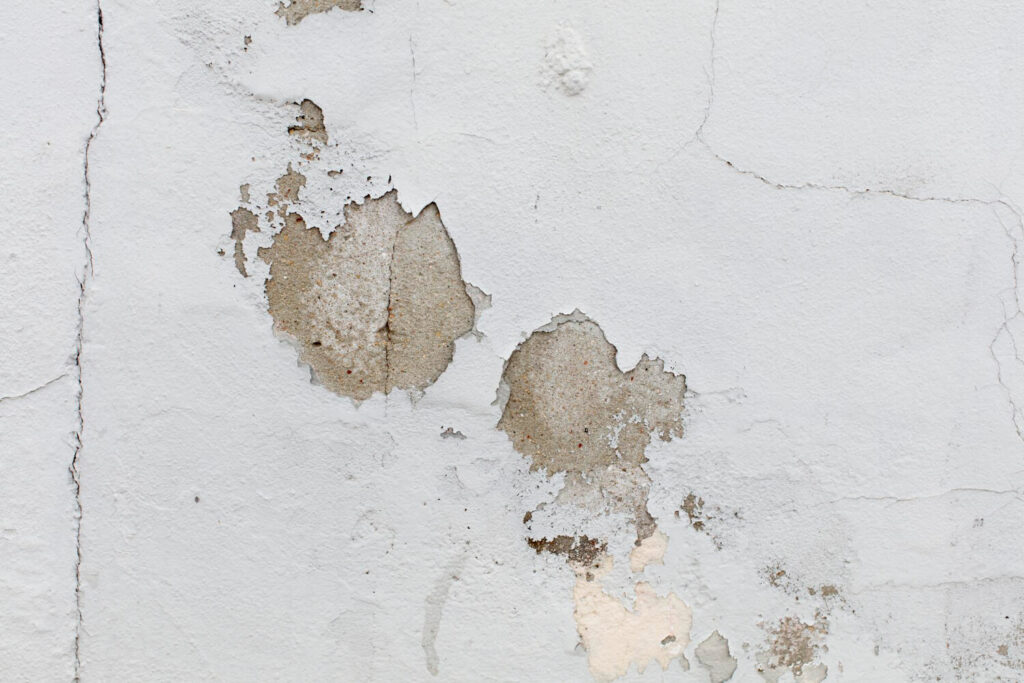
Unseen water accumulation inside walls and beneath floors is a primary catalyst for property degradation. When a plumbing failure or storm surge introduces liquid into an indoor environment, porous building materials absorb the liquid rapidly. Structural components like drywall and wooden support frameworks lose structural integrity when saturated. If moisture remains trapped within these enclosed cavities, the wood begins a process of rot and decomposition. This decay weakens the skeletal framework of the building, creating safety hazards for the occupants.
The progression from initial saturation to deep material failure follows a predictable chain of events. Saturated framing shifts and warps, which translates to cracked plaster, sagging ceilings, and buckled floors on the exterior surfaces. Furthermore, enclosed damp environments provide the exact conditions necessary for microbial proliferation. Addressing moisture accumulation immediately stops this destructive cycle before the stability of the foundation is permanently affected.
Why Is Immediate Water Extraction Vital After a Major Leak?
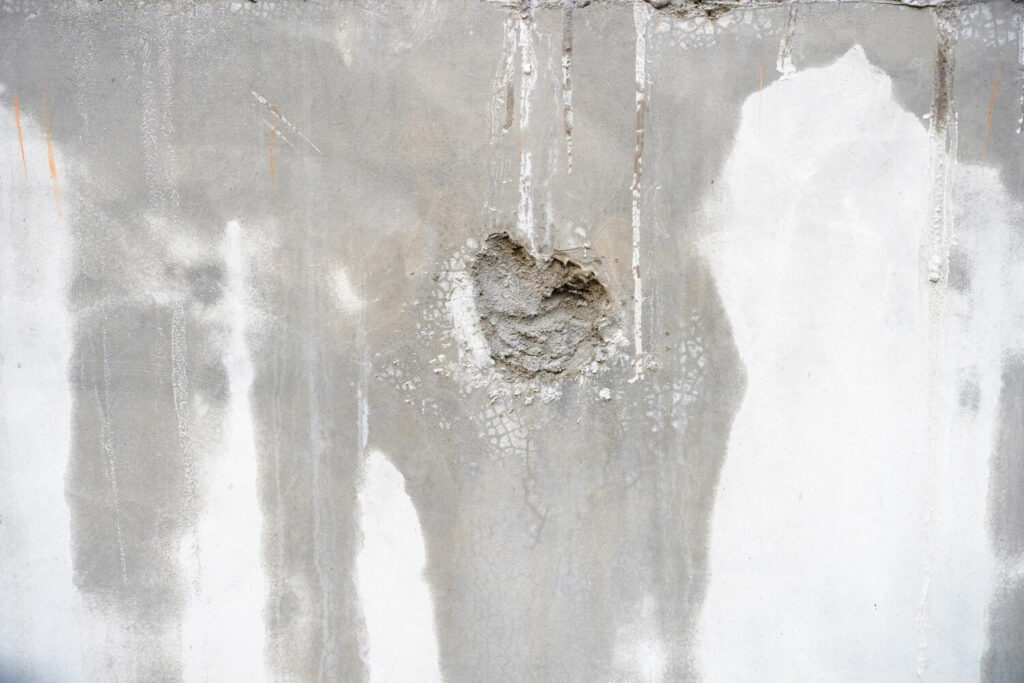
Standing water does not remain stationary; it actively migrates through the path of least resistance, penetrating deep into subfloors and structural joints. A delayed response allows clean water to rapidly degrade into gray or black water as it mixes with surface contaminants and bacteria. This transformation changes a simple drying project into a complex sanitation issue. When extraction is delayed, the moisture wicks upward into insulation and baseboards, multiplying the volume of ruined materials that require disposal.
Executing rapid extraction removes the bulk liquid before it penetrates the dense core of structural timbers and cabinetry. Eliminating standing liquid limits secondary humidity damage, which occurs when evaporating water condenses on ceilings and electronics. Professional intervention utilizes specialized pumps and extraction tools to draw moisture from deep within the substrate, breaking the progression of water transmission and completing essential water damage mitigation.
What Happens When Mold Growth Follows an Unresolved Water Event?
Fungal spores exist naturally in the air but require a continuous moisture source to colonize a surface. When structural drying is incomplete, mold spores activate within twenty-four to forty-eight hours, feeding on organic materials such as paper backing on drywall and wood fibers. The expansion of these colonies destroys the host material, flaking away layers of drywall and leaving behind dark stains and persistent odors.
The effect of fungal colonization extends beyond cosmetic damage. As the fungi consume the cellulose within building materials, the physical composition of walls and ceilings crumbles. This biological breakdown compromises the indoor environment, releasing airborne particles that lower indoor air quality. Implementing professional mold removal and remediation disrupts this cycle by removing the moisture source and physical colonies simultaneously.
How Do Biological Contaminants Disrupt Property Safety After a Sewage Failure?
A sewage backup introduces highly hazardous pathogens, viruses, and parasites directly into a living or working environment. Unlike standard flooding, black water incidents pose an immediate biological threat that demands specialized containment protocols. Porous items like carpets, cushions, and low-density wood absorb these pathogens rapidly, becoming permanent vectors for contamination.
Neglecting immediate containment allows dangerous bacteria to multiply exponentially throughout the structure. The path of contamination spreads through shoes, airflow, and capillary action behind walls. To restore safety, contaminated materials must be removed safely, followed by deep sanitization using certified Biohazard cleanup protocols. This process neutralizes the biological hazard, preventing the spread of contaminants to unaffected zones of the property.
What Determines the Transition from Building Mitigation to Full Restoration?
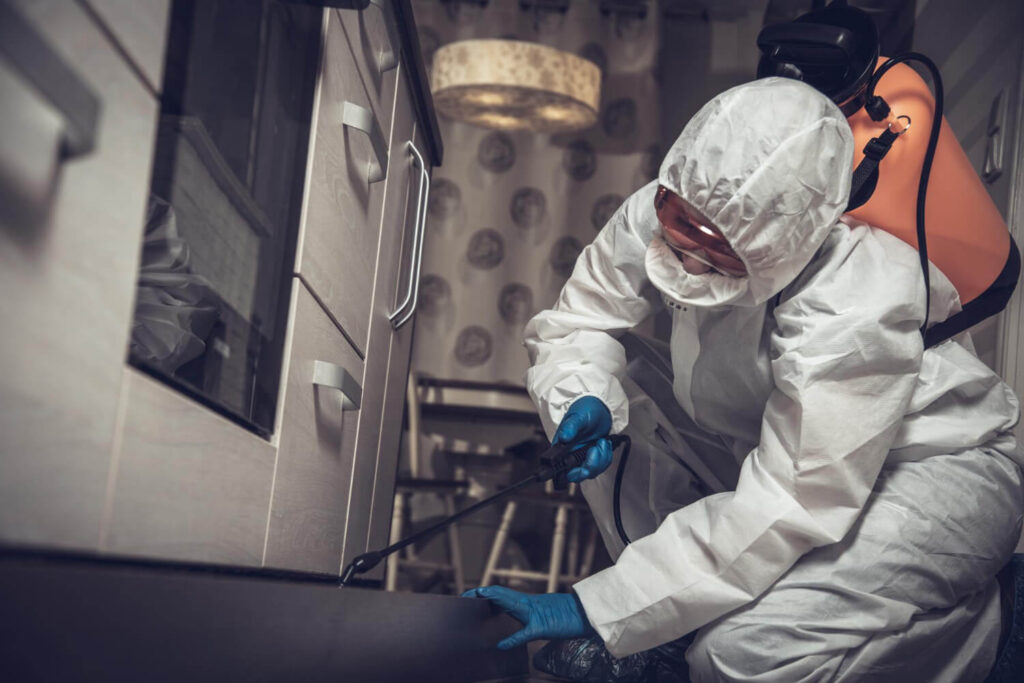
Severe property damage often surpasses what standard drying and sanitizing can salvage. When structural elements suffer deep rot, charring from smoke, or physical distortion, the compromised components must be stripped away entirely. Leaving weakened studs or charred drywall in place compromises the integrity of future repairs, requiring extensive fire and smoke damage restoration to remove soot and structural odor.
The transition to physical rebuilding begins once the property achieves a verified dry and sanitary baseline. Rebuilding structural elements involves replacing framing, hanging fresh drywall, and installing new flooring to match the original architecture. Executing these comprehensive Reconstruction Services ensures the property returns to its pre-loss stability and physical appearance, completing the recovery cycle.
Property Restoration Experts in Richmond
Operating with deep roots in the local community, PuroClean of Richmond delivers the specialized scientific techniques required to stabilize properties affected by unexpected environmental crises. Mitigating severe property damage demands an immediate partnership with certified specialists who respect the architectural footprint and project schedules of Virginia property owners. Addressing structural vulnerabilities during the initial hours stops progressive deterioration from compromising the long-term viability of the building.