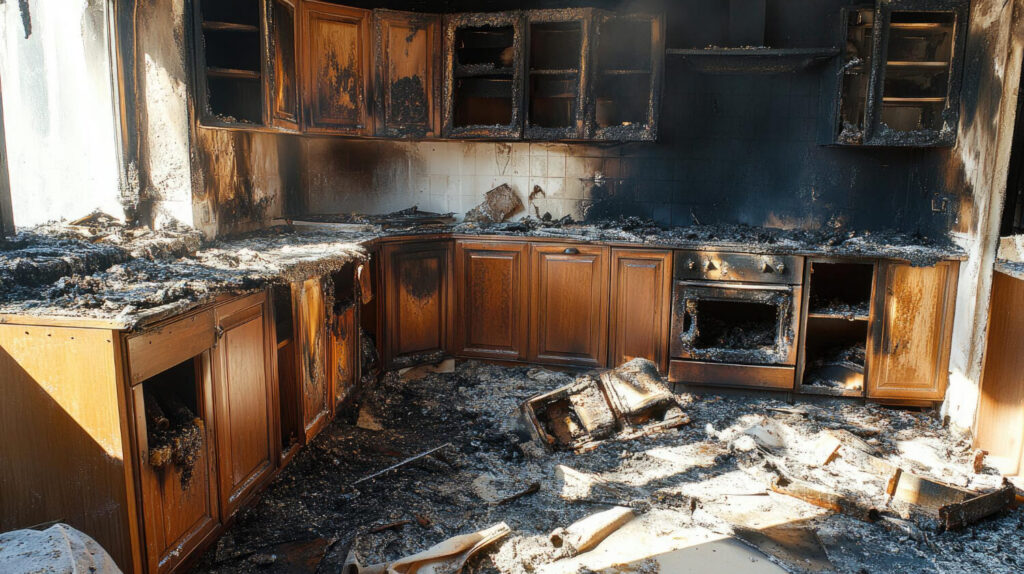
After a house fire, the damage often extends far beyond burned walls, ceilings, and structural materials. Smoke, soot, heat, and water used during firefighting can affect furniture, clothing, electronics, documents, and other personal belongings throughout the property. Even items located in rooms untouched by flames may require professional attention.
For homeowners, one of the first concerns after a fire is determining which possessions can be saved and which may need to be replaced. The good news is that not every item exposed to fire or smoke is automatically a total loss. With a proper assessment and professional contents cleaning, many belongings may be restored.
How Does a House Fire Affect Personal Belongings?
Fire can damage possessions in several different ways. The extent of the damage depends on the fire’s intensity, how long the property was exposed, and how far smoke and soot traveled.
Common types of damage include:
- Smoke residue: Smoke particles can settle on furniture, clothing, curtains, and other surfaces, leaving stains and persistent odors.
- Soot contamination: Soot can contain acidic particles that may discolor or deteriorate certain materials if they are not cleaned properly.
- Heat damage: High temperatures can warp plastic, melt synthetic fabrics, damage electronics, and weaken certain household materials.
- Water damage: Firefighting efforts may leave furniture, carpets, mattresses, and personal belongings wet.
- Lingering odors: Smoke can penetrate porous materials, making odors difficult to remove with ordinary household cleaning products.
Smoke can also travel through ventilation systems and small openings, affecting rooms that were not directly exposed to the fire. This is why a professional inspection is important before deciding what can be salvaged.
Which Belongings Can Be Saved After a Fire?
Whether an item can be restored depends on its material, the type of contamination, and the severity of the damage. Restoration professionals evaluate each category of belongings before recommending the appropriate cleaning method.
Furniture and Upholstery
Wooden furniture, tables, chairs, and certain upholstered pieces may be recoverable depending on the level of smoke, soot, heat, and water exposure. Professional cleaning methods can help remove surface contamination and smoke odors.
However, heavily burned, structurally weakened, or deeply contaminated furniture may not be suitable for restoration.
Clothing and Textiles
Clothing, bedding, curtains, and other fabrics can absorb smoke particles and odors. Specialized laundering and deodorization methods may help restore some textiles.
Items with severe heat damage, melted fibers, or extensive contamination may need to be discarded.
Electronics and Appliances
Electronics are particularly sensitive to soot and moisture. Fine particles can enter devices and potentially interfere with electrical components. Turning on contaminated electronics before they have been professionally evaluated may cause further damage.
A qualified electronics specialist should assess affected devices to determine whether cleaning or repair is appropriate.
Documents, Photographs, and Keepsakes
Important documents, family photographs, and sentimental belongings can be especially difficult to replace. Some paper materials and photographs may be recoverable through specialized restoration techniques.
Because these items can be delicate, avoid aggressive cleaning or separating materials that have become stuck together. Professional assessment is recommended.

Why Professional Contents Cleaning Matters
Cleaning fire-damaged belongings is more complicated than wiping away visible soot or washing items with household products. Different materials react differently to smoke residue, moisture, and cleaning solutions.
Professional contents cleaning begins with identifying the type and extent of damage. Restoration technicians can then determine which cleaning methods are appropriate for specific materials.
The process may include:
- Contents inventory: Documenting affected belongings and recording their condition.
- Sorting and categorization: Separating items that may be restored from those that are too damaged.
- Specialized cleaning: Using suitable methods to remove soot, smoke residue, and other contaminants.
- Odor removal: Applying appropriate deodorization techniques to address smoke odors trapped in materials.
- Drying and storage: Protecting cleaned belongings from additional moisture or contamination while property restoration continues.
- Final evaluation: Reviewing restored items and documenting their condition.
Proper handling helps reduce the risk of spreading soot or causing additional damage during the cleaning process.
What Should You Do With Belongings Immediately After a Fire?
The actions you take after a fire can affect whether certain belongings can be restored.
First, do not re-enter the property until authorities confirm it is safe. Once access is permitted, avoid touching soot-covered items unnecessarily. Soot can smear easily and become more difficult to remove when handled incorrectly.
You should also:
- Avoid washing smoke-damaged clothing or fabrics before their condition has been assessed.
- Do not use household cleaning products on soot-covered furniture or delicate surfaces without professional guidance.
- Keep electronics switched off until they have been evaluated.
- Take photographs of damaged belongings for documentation.
- Separate important documents and valuables only when it is safe to do so.
- Contact a professional restoration company for an assessment.
For a broader overview of the recovery process, read our guide on what fire damage restoration includes.
Does Homeowners Insurance Cover Damaged Belongings?
Many homeowners insurance policies include personal property coverage, which may help pay for eligible belongings damaged by a covered fire. However, coverage limits, exclusions, deductibles, and claim requirements vary by policy.
Creating a detailed inventory of damaged items can make the claims process easier. Include photographs, descriptions, approximate purchase dates, and receipts when available.
It is also helpful to keep records of professional cleaning and restoration assessments. Your insurance provider can explain which losses are covered and what documentation is required.
For more information, see our article about whether insurance covers water and fire damage.
How Professional Restoration Helps You Recover
Recovering from a house fire involves more than repairing visible structural damage. Smoke residue, soot, odors, and water exposure can affect personal possessions throughout the property.
PuroClean of Richmond helps homeowners navigate the restoration process by assessing fire-related damage and determining the appropriate next steps. Professional fire and smoke damage restoration can include cleaning affected areas, addressing smoke odors, and coordinating the recovery of salvageable contents.
The goal is to restore as much of the property and its belongings as possible while identifying items that cannot be safely recovered.
Get Help Restoring Your Belongings After a House Fire
Losing personal belongings to a fire can be emotionally and financially difficult. While some items may be beyond repair, many possessions can potentially be restored with the right assessment and cleaning methods.
If your home has experienced fire or smoke damage, PuroClean of Richmond can help you understand the restoration process and determine the next steps. Contact the team to discuss your property damage and get professional assistance with recovery.