

Insurance policies often include a variety of terms and conditions that can be daunting to unravel, especially when you’re in the midst of dealing with a mold issue. However, taking the time to understand these details can save you not only money but also the stress and hassle of handling mold problems without support.
This guide will help you navigate the intricate world of insurance policies and mold remediation, providing you with the necessary tools and information to make informed decisions.
What is Mold Remediation?
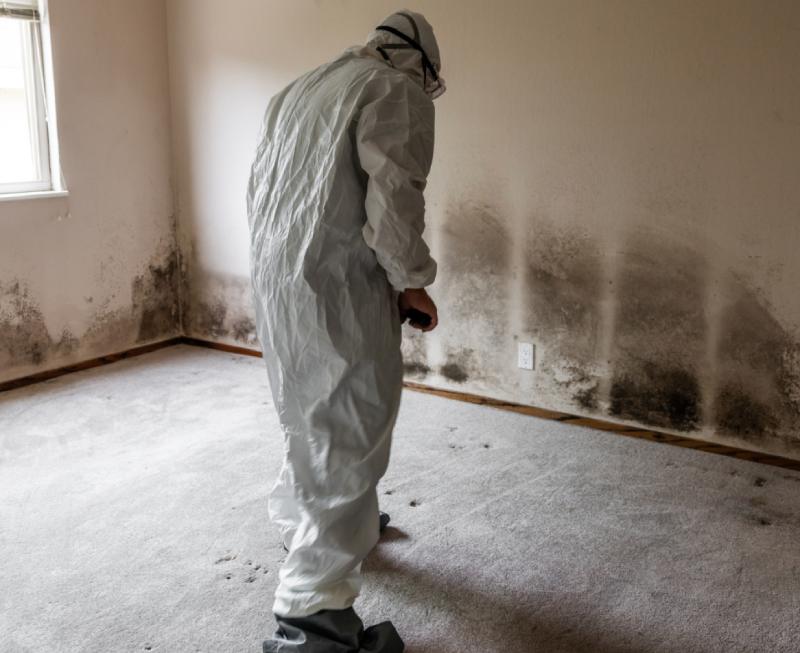
Mold remediation is the process of removing and cleaning mold from an indoor environment. This typically involves assessing the mold damage, containing the affected areas, cleaning and removing the mold, and finally, restoring the space to its original condition. Mold can be hazardous to health, causing allergic reactions and respiratory issues, so dealing with it promptly is crucial.
Mold remediation is not just about cleaning visible mold but also involves identifying and addressing the underlying causes to prevent future growth. Professionals use specialized equipment and techniques to ensure that mold spores are completely eradicated. This process often includes cleaning the air with HEPA filters and using antimicrobial treatments to hinder mold regrowth. The goal is to restore a healthy living environment and prevent further structural damage to your home.
The Connection Between Water Damage and Mold
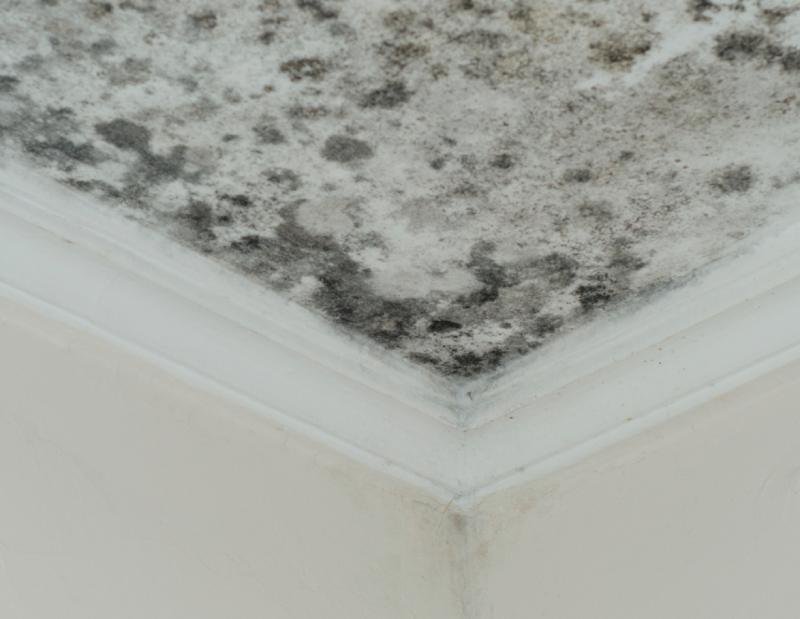
Water damage is a common precursor to mold growth. When water intrudes into your home, whether from a burst pipe, a leaking roof, or flooding, it creates a moist environment perfect for mold growth. Mold can start growing within 24 to 48 hours of water exposure, making swift action vital. The speed at which mold can develop underscores the importance of immediate water damage remediation to avoid subsequent mold issues.
How Water Damage Restoration Helps
Water damage restoration involves the removal of excess water, drying out affected areas, and repairing any damage caused by water. This process is crucial to prevent mold growth. If water damage is not addressed promptly, it increases the likelihood of mold, which can lead to more extensive and expensive repairs. Effective water damage restoration not only protects your property but also minimizes health risks associated with mold exposure.
Understanding Mold Insurance Coverage
Insurance coverage for mold remediation can vary significantly between policies. Generally, mold damage insurance falls into two categories: mold insurance coverage as part of a standard homeowner’s policy and separate mold remediation insurance coverage. Understanding the differences between these can help you determine what kind of coverage you might need based on your home’s risk factors and location.
Standard Homeowner’s Insurance
Most standard homeowner’s insurance policies cover mold remediation if it is a result of a covered peril. Covered perils typically include sudden and accidental water damage from incidents like burst pipes or appliance overflows. However, if mold growth is due to neglected maintenance or long-term exposure to moisture, insurance is unlikely to cover it. Knowing the specific perils covered by your policy can prevent disputes when filing a claim.
Homeowner’s insurance policies often have detailed clauses that outline what constitutes a covered peril. It’s crucial to read these clauses carefully and consult with your insurance agent to clarify any ambiguities. In some cases, insurers may require proof that regular maintenance was performed to deny negligence as a cause. Being proactive in understanding your policy’s terms can save you from unexpected denials of coverage.
Mold-Specific Insurance Policies
Some insurance providers offer mold-specific policies or endorsements. These policies are designed to provide coverage for mold remediation regardless of the cause. They can be valuable if you live in an area prone to high humidity or frequent flooding.
However, these policies usually come with higher premiums. Evaluating the cost versus the potential benefits of such coverage is essential in deciding whether it’s a worthwhile investment.
Factors Affecting Mold Remediation Insurance Coverage
Several factors can influence whether your insurance will cover mold remediation:
- Cause of Mold Growth: If mold results from a covered peril, like a sudden pipe burst, it’s more likely to be covered. However, mold from neglected maintenance is typically not covered. Understanding the underlying cause can be pivotal in determining coverage eligibility.
- Policy Limits: Some policies have specific limits for mold damage, capping the amount they will pay for remediation. Knowing these limits can help you plan financially for any potential out-of-pocket expenses.
- Policy Exclusions: Always check for exclusions in your policy. Some policies explicitly exclude mold coverage unless you have purchased additional mold endorsements. Being aware of these exclusions can prevent unpleasant surprises during claim processing.
- State Regulations: Insurance regulations can vary by state, affecting what insurers must cover. Familiarizing yourself with state-specific regulations can provide insight into your policy’s coverage scope and limitations.
Understanding these factors is crucial in navigating the complexities of mold remediation insurance. By being informed, you can better prepare for discussions with your insurer and avoid potential coverage disputes. This knowledge empowers you to make proactive decisions regarding your insurance needs and ensures you’re adequately protected against mold-related risks.
Steps to Take If You Have Mold Damage
If you discover mold in your home, follow these steps to address the issue and potentially secure insurance coverage:
1. Assess the Damage
First, assess the extent of mold damage. This may involve a professional inspection to determine how widespread the mold is and the source of moisture causing the growth. A thorough assessment ensures that all affected areas are identified and addressed, preventing future mold problems.
Professional inspectors use advanced tools to detect mold and moisture, offering a detailed report on the situation. This step is crucial for understanding the full scope of the problem and developing an effective remediation plan. Early detection and accurate assessment can save time and money in the long run by preventing further damage.
2. Contact Your Insurance Provider
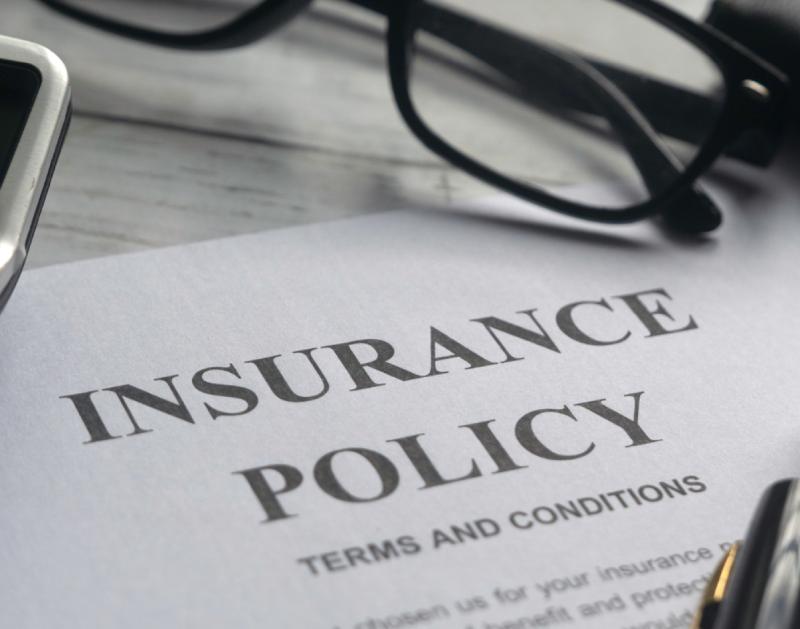
Reach out to your insurance company to report the damage. Provide details about the source of water damage and subsequent mold growth. This information will help them determine if your policy covers the situation. Prompt communication with your insurer can expedite the claims process and ensure that you receive the coverage you’re entitled to.
Be prepared to provide documentation and answer questions about the incident. Clear and detailed communication with your insurer can prevent misunderstandings and streamline the claims process. Knowing what to expect in terms of policy coverage can also help you manage your expectations and plan for any potential costs.
3. Document Everything
Keep thorough documentation of the damage, including photographs, receipts for repairs, and any communication with contractors or inspectors. This documentation will be critical for filing a claim. Comprehensive records support your case and can be invaluable if any disputes arise during the claims process.
Organize all documents logically and ensure that they are easily accessible. Detailed records not only support your insurance claim but also serve as a reference for future maintenance and prevention efforts. By maintaining meticulous records, you can safeguard your interests and facilitate a smoother resolution process with your insurer.
4. Hire a Professional Mold Remediation Service
Engage a reputable mold damage restoration service to address the mold problem. Professional services ensure that mold is thoroughly removed and your home is restored safely. Choosing experienced professionals can prevent further issues and protect your home from future mold occurrences.
Research and select a remediation service with a solid reputation and verified credentials. Professionals will adhere to industry standards and use advanced techniques to ensure that mold is completely eradicated. By choosing a trustworthy service, you ensure that the remediation process is thorough and effective, safeguarding your home and health.
5. File an Insurance Claim
If your policy covers mold remediation, file a claim with your insurer. Provide all documentation and follow their process to ensure your claim is processed efficiently. Understanding the claims process and adhering to its requirements can increase the likelihood of a successful outcome.
Stay in contact with your insurance adjuster and provide any additional information they may require. Keeping the lines of communication open and responding promptly to requests can facilitate a smoother claims experience. By being proactive and cooperative, you enhance the chances of a favorable resolution and timely reimbursement.
Preventing Future Mold Problems
Preventative measures can help reduce the risk of mold recurrence:
- Regular Inspections: Conduct routine checks for leaks, especially after storms or heavy rainfall. Early detection of potential problems can prevent costly mold issues.
- Humidity Control: Use dehumidifiers in damp areas of your home to maintain appropriate humidity levels. Controlling humidity is a key factor in preventing mold growth.
- Proper Ventilation: Ensure good ventilation in areas prone to moisture, like bathrooms and basements. Adequate airflow reduces moisture buildup and discourages mold.
- Prompt Repairs: Address water leaks and damage immediately to prevent mold-friendly conditions. Timely repairs can save you from more significant problems and expenses in the future.
By incorporating these preventive measures into your home maintenance routine, you can create an environment that is less conducive to mold growth. Consistent efforts to manage moisture and address potential issues promptly can significantly reduce the risk of mold, protecting both your home and your health.
Conclusion
Understanding your insurance coverage for mold remediation after water damage is crucial for protecting your home and finances. By knowing what your policy covers and taking proactive steps to prevent mold, you can mitigate the impact of mold damage and ensure a healthier living environment. Always review your insurance policy carefully and consider additional coverage if needed, especially if you live in an area susceptible to mold growth.
By taking these steps, you can navigate the complexities of mold remediation insurance coverage with confidence and ensure your home remains a safe and healthy place for you and your family. Being informed and prepared empowers you to handle mold issues effectively, minimizing stress and financial burden, and maintaining the safety and value of your home.
For expert mold and water remediation in the Richmond area, contact our team at PuroClean of Richmond today!