


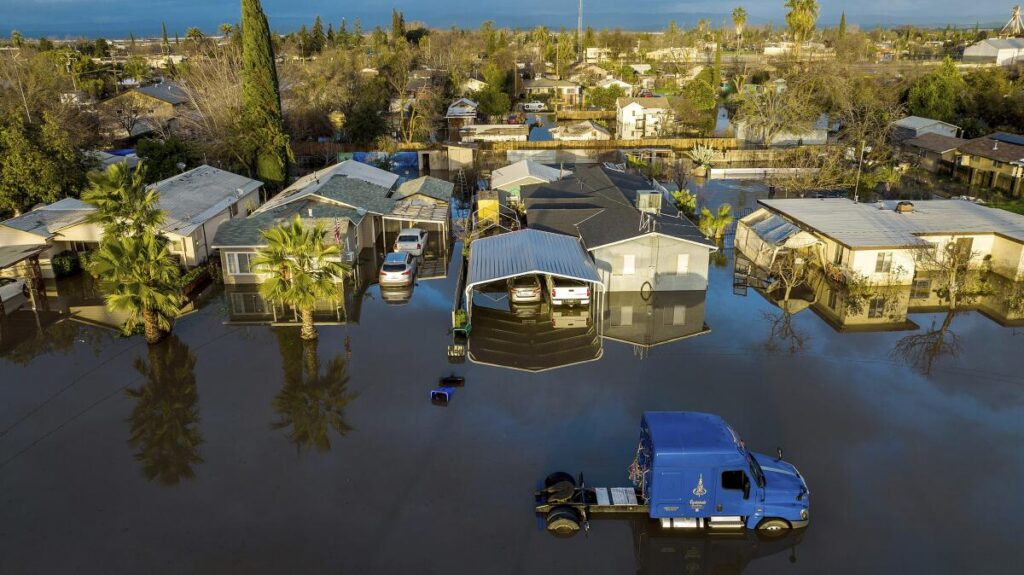
What to Do When a Summer Away Turned Into a Water Damage Situation
Every August and September, a predictable wave of water damage restoration service calls comes into our office in Rancho Cucamonga. Families returning from summer vacations, grandparents coming back from extended stays with family out of state, snowbirds wrapping up their summers in cooler climates. They walk through the front door, and something is immediately wrong.
Sometimes it is obvious. A ceiling stain that was not there in June. A bathroom floor that gives slightly underfoot. Sometimes it is just a smell that arrives before anything is visible, that particular combination of stale and damp that tells you something has been happening while you were gone.
Summer is actually one of the most productive seasons for slow water damage in Rancho Cucamonga homes, and understanding why helps homeowners respond faster and make smarter decisions about the water damage restoration service they need.
Why Inland Empire Homes Develop Water Damage While Empty in Summer
Rancho Cucamonga summers are hot. Consistently, reliably, intensively hot. A home that sits closed up through July and August without regular occupancy experiences that heat in ways that occupied homes do not, and several of the most common water damage sources in the area are directly accelerated by sustained high temperatures.
HVAC condensate systems work harder during Inland Empire summers than at any other time of year. A condensate drain line that was partially restricted in June becomes a full overflow by mid-July when the system is running twelve or more hours per day. That overflow saturates the ceiling assembly around the air handler, runs into wall cavities, and in some cases reaches the flooring below, all without anyone present to notice the drip or the growing stain.
Water heater pressure relief valves in older Rancho Cucamonga homes occasionally discharge during sustained high-temperature periods as tank temperatures fluctuate in an un-air-conditioned garage or utility space. A slow discharge that does not trigger a full failure can wet the surrounding floor and wall assembly over weeks without producing enough volume to be obvious.
Refrigerator ice maker and water dispenser lines, particularly the braided steel lines connecting to older refrigerator models, develop pinhole leaks that progress slowly under the constant pressure of a system that continues running regardless of whether anyone is home to use it.
Each of these sources shares the same characteristic: they produce low-volume, continuous water intrusion that saturates materials slowly and deeply over weeks rather than flooding dramatically over hours.
What Eight Weeks of Slow Water Damage Actually Looks Like
Eight weeks is roughly the length of a typical summer school break. It is also enough time for a slow leak to produce water damage that a water damage restoration service cannot simply dry in place.
Here is what prolonged slow leakage does to building materials that a sudden flood does not:
Materials absorb moisture gradually to full saturation depth rather than just at the surface. Wood subfloor sheathing that has been wet for eight weeks has absorbed moisture throughout its thickness, not just at the face. Drying that material in place requires longer equipment run times, more precise monitoring, and in some cases is simply not achievable without removal.
Mold has almost certainly established itself. The IICRC standard acknowledges that mold can begin developing on wet materials within 24 to 48 hours under the right conditions. After eight weeks of sustained moisture in a warm Inland Empire home, mold assessment is not a precaution. It is a near certainty. A water damage restoration service that does not include mold evaluation as a standard component of the assessment for a prolonged slow leak is missing a significant part of the job.
The structural materials at the moisture source have been under sustained stress. Subfloor panels that have been wet for two months may show softening, delamination, or biological degradation that affects their structural integrity regardless of whether they can be dried. That assessment requires professional evaluation before any drying decision is made.
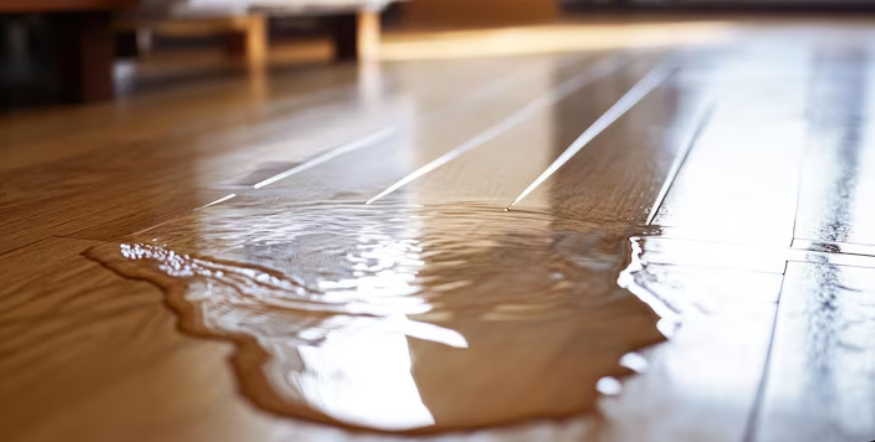
The First Steps When You Discover Water Damage After a Vacation
The instinct to start cleaning up immediately is understandable but can complicate both the restoration process and the insurance claim. A few specific steps taken in the first hour after discovery produce significantly better outcomes:
- Do not dispose of any damaged materials before documenting them photographically and before your insurance carrier has been notified. Materials removed before an adjuster has assessed them cannot be included in the claim.
- Locate and stop the water source if it is still active. Turn off the supply to the affected appliance or fixture, or shut off the main if the source is not immediately identifiable.
- Photograph everything before touching or moving anything. Wide shots establishing the affected area, close-ups of the water source, ceiling and wall staining, flooring condition, and any affected contents.
- Contact your insurance carrier to report the loss before any restoration work begins. Most policies require prompt notification and some have specific provisions about what can be done before the adjuster has assessed the property.
- Call a water damage restoration service for a professional assessment. The gap between what is visible and what is actually wet in a prolonged slow leak situation is significant, and thermal imaging assessment changes the scope of work in most of these jobs.
What a Professional Water Damage Restoration Service Covers
A thorough water damage restoration service response to a prolonged slow leak in a Rancho Cucamonga home addresses every layer of the damage:
- Full moisture mapping using thermal imaging to establish the true extent of saturation beyond the visible damage area
- Mold assessment as an integrated step rather than an afterthought, given the duration of moisture exposure
- Structural material evaluation to determine what can be dried in place and what requires removal before drying begins
- Commercial extraction and drying calibrated for the specific materials and conditions present, not standard residential timelines
- Daily monitoring until all readings across all affected materials return to clearance levels
- Complete insurance documentation covering the water source, the duration of exposure where determinable, the full scope of affected materials, and the restoration approach applied to each
For a clear picture of how moisture mapping works during this assessment process, our blog on The Role of Residential Moisture Mapping in Water Damage Restoration explains exactly what thermal imaging and moisture meters reveal that visual inspection misses.
And if you are wondering why addressing this promptly matters financially, Costs of Delayed Water Damage Repairs walks through exactly how restoration costs accumulate when a water event is not addressed immediately.
A Note on Insurance Coverage for Slow Leaks in California
California homeowner’s insurance policies generally cover sudden and accidental water damage. Slow leak coverage varies by policy and by how the damage is characterized. A leak that originated from a sudden failure of a supply line component, even if it went undetected for an extended period, is often treated differently from damage attributed to long-term gradual deterioration.
The distinction in your claim frequently comes down to how the source failure is documented and described. A professional water damage restoration service that accurately characterizes the failure mode and documents the full scope of affected materials gives your carrier the information it needs to evaluate coverage correctly. Vague or incomplete documentation creates the ambiguity that leads to coverage disputes.
For additional context on how documentation affects claim outcomes, our blog on How to Spot Hidden Water Damage in Your Home Before It Becomes a Disaster is a useful reference for understanding what professional assessment identifies that standard inspection misses.
Welcome Home. Let’s Get This Sorted.
Finding water damage after a vacation is not the homecoming anyone plans for. But it is a solvable problem, and the sooner a professional water damage restoration service begins, the more of your home comes through it intact.
PuroClean of Rancho Cucamonga serves Rancho Cucamonga, Ontario, Fontana, Upland, Claremont, and throughout San Bernardino and western Riverside counties around the clock. Call (909) 481-4399 and we will come assess exactly what happened, tell you straight what it needs, and get the restoration moving so your home feels like home again as quickly as possible.