Most people associate biohazards with hospitals or industrial accidents.
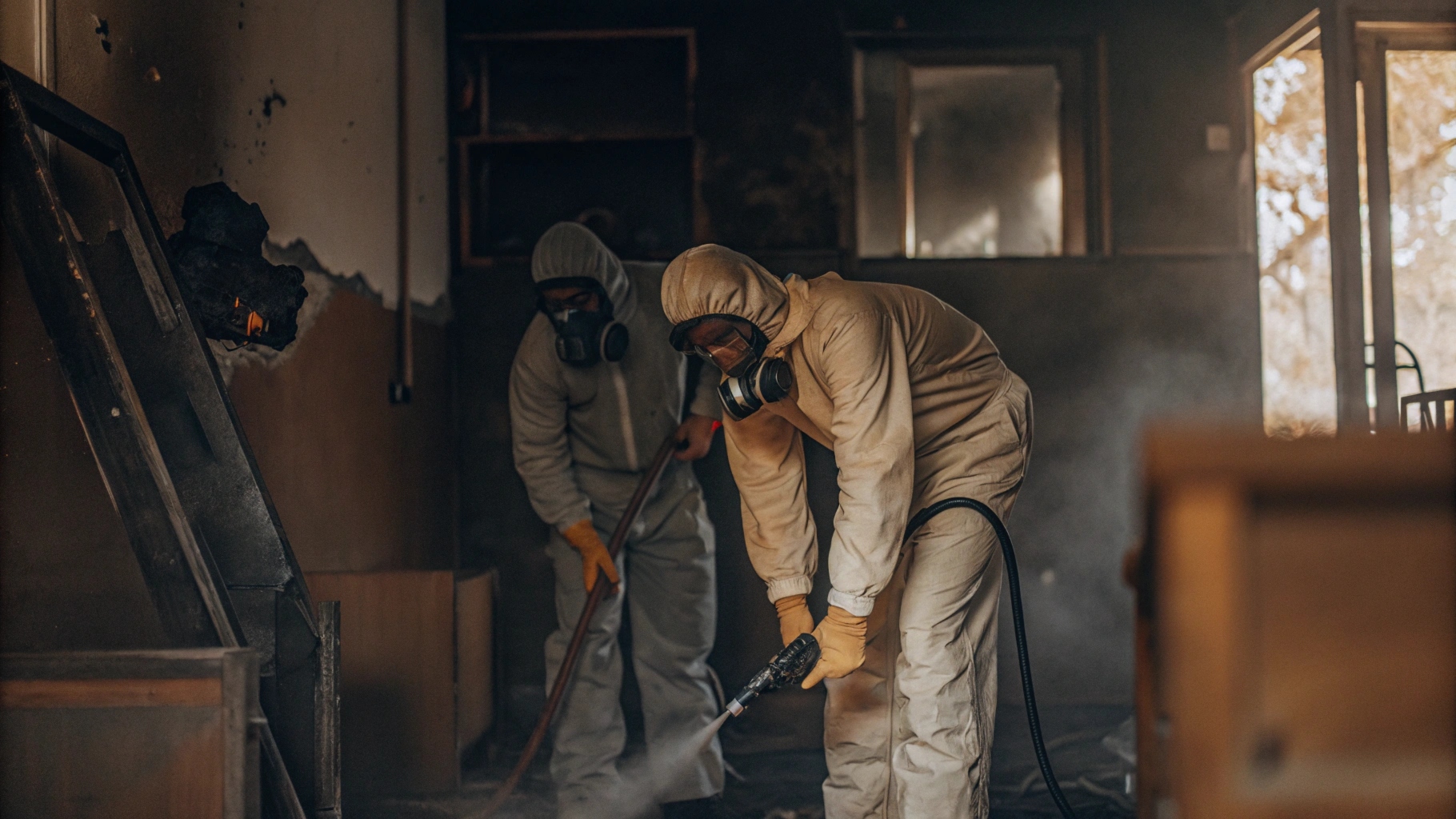
Even after the flames are gone and visible damage is repaired, smoke has a way of staying behind.
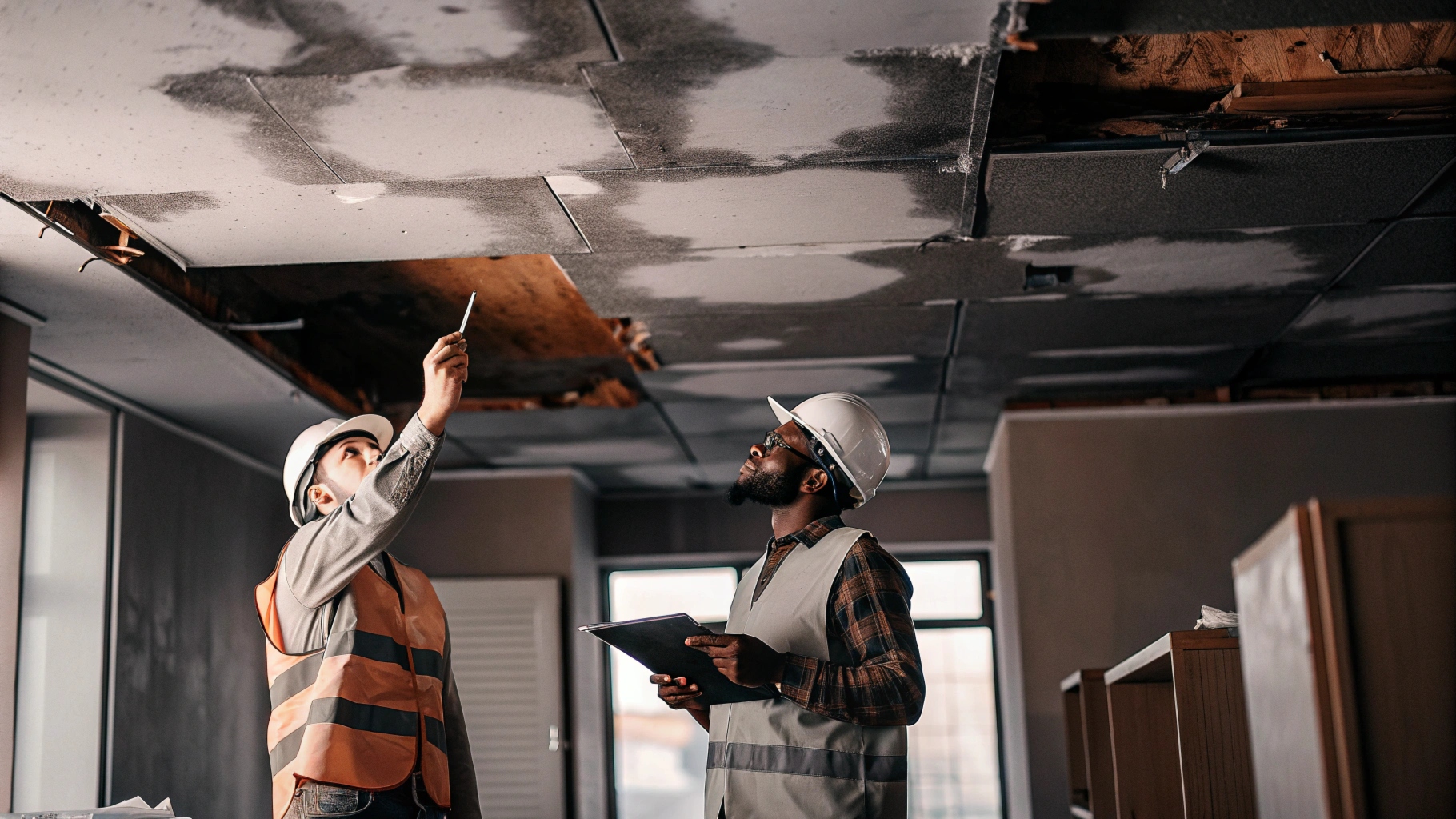
A dark stain spreading across the ceiling or a sudden drip overhead can instantly create panic.
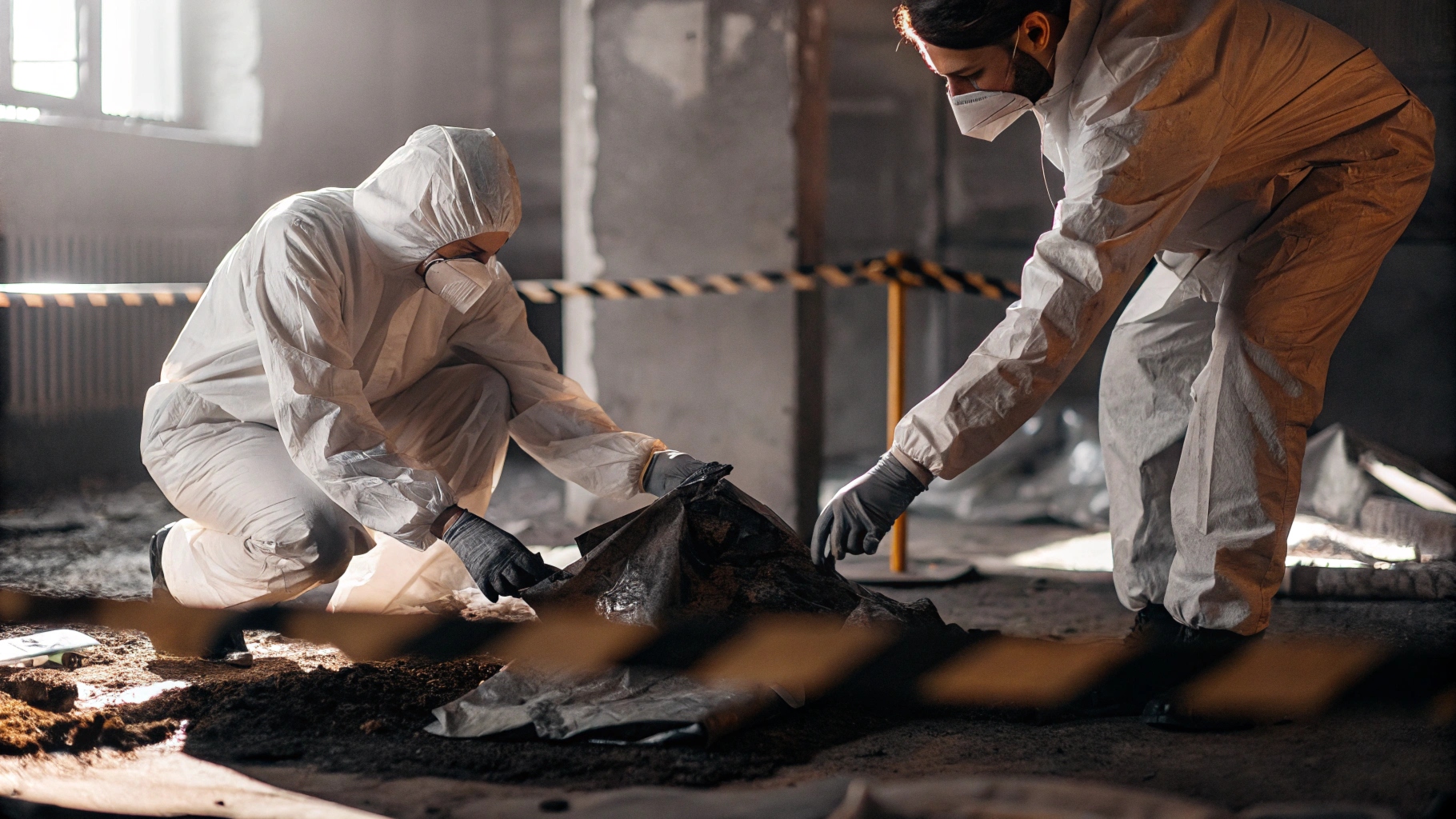
Biohazard cleanup often happens quietly and quickly, but the journey of the waste afterward is rarely understood.
Recovering from a fire is rarely straightforward.
Water damage starts quietly.
After an accident, crime, or sewage leak, it’s natural to want things back to normal quickly.
In the moments after a fire, confusion and fear often take over.
The biggest mistake people make when cleaning mold isn’t ignoring it; it’s cleaning it wrong.
When your once-beautiful hardwood floors suddenly swell, darken, or warp after a leak or spill, panic sets in fast.
When most people hear the term “biohazard cleanup,” their minds often jump to dramatic crime scenes or hazmat suits straight out of a movie.
Understand how to file a fire damage insurance claim in San Clemente, what’s covered, and how to avoid common mistakes for a smoother recovery.
Find out how coastal conditions contribute to HVAC mold growth in homes.